
Why Does Kashi Celebrate Holi With Funeral Ash? Masane Ki Holi 2026 Explained


In Varanasi, also known as Kashi, spirituality is not just practiced, it is lived. The city is deeply connected to Shiva, who is believed to reside here eternally. During Holi, while most of India celebrates with bright colours, Kashi honours a unique tradition called Masane Ki Holi, also known as Chita Bhasma Holi. It is celebrated at the sacred cremation grounds, where life and death meet. In 2026, this extraordinary ritual will once again draw devotees and visitors eager to witness its rare spiritual intensity.
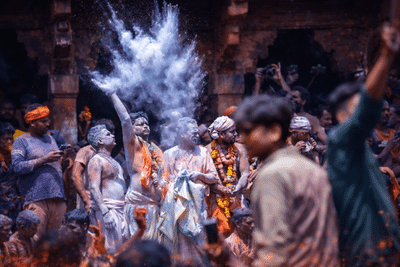
Masane Ki Holi 2026 Date and Timings
Masane Ki Holi in 2026 will be celebrated on 28 February, one day after Rangbhari Ekadashi. The rituals follow Kashi’s traditional spiritual calendar. Preparations begin early at the cremation ghats, with priests and organisers ensuring that customs are followed respectfully. Thousands of devotees, sadhus and visitors are expected to attend. The atmosphere becomes intense yet devotional. The event is not only a festival but a spiritual gathering rooted in centuries old belief and practice.
Where Chita Bhasma Holi Is Celebrated
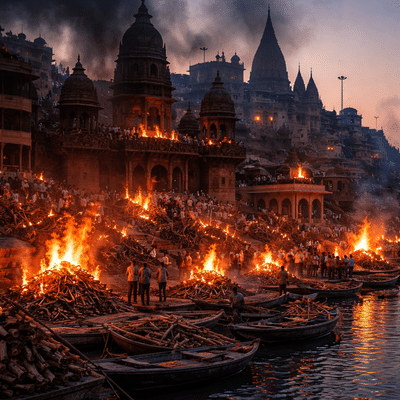
The main venue of Masane Ki Holi is Manikarnika Ghat, one of the oldest and most sacred cremation sites in India. Celebrations also extend to Harishchandra Ghat. What makes this Holi unique is its setting amid burning pyres at the Mahashmashan. Devotees smear themselves with gulal mixed with sacred ash. The ritual reflects the philosophy that life is temporary and death is the ultimate truth. In Kashi, even celebration becomes a reminder of spiritual reality.
The Shiv Barati Procession
Before the ash ritual begins, a vibrant procession called the Shiv Barati takes place. It traditionally starts from Aghor Peeth Baba Keenaram Ashram and moves towards the cremation grounds. Participants dress as forms of Lord Shiv and his ganas. Conch shells, damru beats and chants of Har Har Mahadev fill the air. Clouds of gulal rise as devotion reaches its peak. The procession symbolises Shiv’s divine wedding journey and prepares the city for the powerful ash celebration that follows.
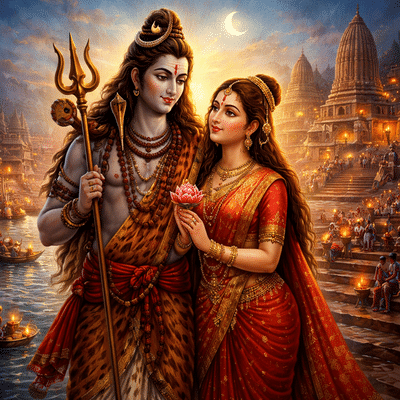
The Mythological Story Behind ItAccording to legend, on Rangbhari Ekadashi, Lord Shiv brought Goddess Gauri to Kashi after their marriage. The people of Kashi welcomed them by playing Holi with colours. However, it is believed that Shiv later returned to the cremation grounds to celebrate with his ganas and spirits. Instead of colours, sacred ash was used. This act symbolised detachment and acceptance of life’s final truth. Masane Ki Holi continues this tradition, blending mythology with living ritual.
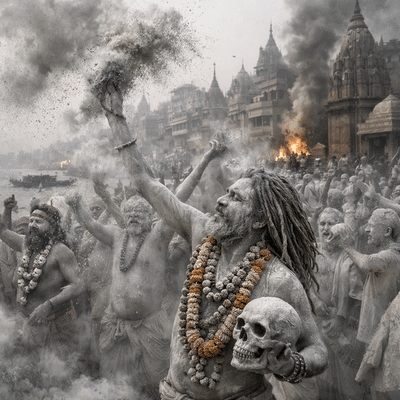
Gulal and Ash A Rare Spiritual VisionOn the day of Masane Ki Holi, more than one and a half quintals of chita bhasma are used. The ash mixes with bright gulal, creating a surreal and powerful sight. Nearly twenty thousand people gather, not just to watch but to participate. The Mahashmashan becomes a sacred stage where philosophy turns into experience. This Holi is not about entertainment. It is about surrender, devotion and understanding the fragile beauty of human life.
When Ash Meets ColourMasane Ki Holi in Kashi is not an ordinary festival. It is a profound reminder that life and death exist side by side. By celebrating with sacred ash, devotees honour Lord Shiv as the master of time and transformation. The ritual may appear intense, but at its heart lies deep devotion and spiritual wisdom. On 28 February 2026, Kashi will once again witness this rare tradition, where faith rises like ash into the sky, carrying the timeless message of acceptance and divine connection.
Unlock insightful tips and inspiration on personal growth, productivity, and well-being. Stay motivated and updated with the latest at My Life XP.
Frequently Asked Questions (FAQs) 1. When will Masane Ki Holi 2026 be celebrated?
Masane Ki Holi in 2026 will be celebrated on 28 February, a day after Rangbhari Ekadashi, according to the traditional spiritual calendar of Kashi.
2. Where is Chita Bhasma Holi played in Kashi?
The main celebrations take place at Manikarnika Ghat and also at Harishchandra Ghat, both sacred cremation ghats in Varanasi.
3. Why is ash used instead of colours?
The ash symbolises the temporary nature of life and the ultimate truth of mortality, themes deeply connected with Lord Shiva and Kashi’s spiritual philosophy.
4. What is the Shiv Barati procession?
The Shiv Barati is a grand devotional procession that takes place before Masane Ki Holi. Devotees dress as Lord Shiva and his ganas, chanting and playing damru as they move towards the cremation grounds.
5. Is Masane Ki Holi open to visitors?
Yes, thousands of devotees and visitors gather each year to witness and participate in this unique spiritual tradition.
Masane Ki Holi 2026 Date and Timings
Devotees gather at the cremation ghat for Masane Ki Holi
Masane Ki Holi in 2026 will be celebrated on 28 February, one day after Rangbhari Ekadashi. The rituals follow Kashi’s traditional spiritual calendar. Preparations begin early at the cremation ghats, with priests and organisers ensuring that customs are followed respectfully. Thousands of devotees, sadhus and visitors are expected to attend. The atmosphere becomes intense yet devotional. The event is not only a festival but a spiritual gathering rooted in centuries old belief and practice.
Where Chita Bhasma Holi Is Celebrated
The sacred cremation grounds where ash Holi takes place
The main venue of Masane Ki Holi is Manikarnika Ghat, one of the oldest and most sacred cremation sites in India. Celebrations also extend to Harishchandra Ghat. What makes this Holi unique is its setting amid burning pyres at the Mahashmashan. Devotees smear themselves with gulal mixed with sacred ash. The ritual reflects the philosophy that life is temporary and death is the ultimate truth. In Kashi, even celebration becomes a reminder of spiritual reality.
The Shiv Barati Procession
The divine union that inspires Rangbhari and Masane Ki Holi
Before the ash ritual begins, a vibrant procession called the Shiv Barati takes place. It traditionally starts from Aghor Peeth Baba Keenaram Ashram and moves towards the cremation grounds. Participants dress as forms of Lord Shiv and his ganas. Conch shells, damru beats and chants of Har Har Mahadev fill the air. Clouds of gulal rise as devotion reaches its peak. The procession symbolises Shiv’s divine wedding journey and prepares the city for the powerful ash celebration that follows.
The Mythological Story Behind ItAccording to legend, on Rangbhari Ekadashi, Lord Shiv brought Goddess Gauri to Kashi after their marriage. The people of Kashi welcomed them by playing Holi with colours. However, it is believed that Shiv later returned to the cremation grounds to celebrate with his ganas and spirits. Instead of colours, sacred ash was used. This act symbolised detachment and acceptance of life’s final truth. Masane Ki Holi continues this tradition, blending mythology with living ritual.
Gulal and Ash A Rare Spiritual VisionOn the day of Masane Ki Holi, more than one and a half quintals of chita bhasma are used. The ash mixes with bright gulal, creating a surreal and powerful sight. Nearly twenty thousand people gather, not just to watch but to participate. The Mahashmashan becomes a sacred stage where philosophy turns into experience. This Holi is not about entertainment. It is about surrender, devotion and understanding the fragile beauty of human life.
When Ash Meets ColourMasane Ki Holi in Kashi is not an ordinary festival. It is a profound reminder that life and death exist side by side. By celebrating with sacred ash, devotees honour Lord Shiv as the master of time and transformation. The ritual may appear intense, but at its heart lies deep devotion and spiritual wisdom. On 28 February 2026, Kashi will once again witness this rare tradition, where faith rises like ash into the sky, carrying the timeless message of acceptance and divine connection.
Unlock insightful tips and inspiration on personal growth, productivity, and well-being. Stay motivated and updated with the latest at My Life XP.
Frequently Asked Questions (FAQs) 1. When will Masane Ki Holi 2026 be celebrated?
Masane Ki Holi in 2026 will be celebrated on 28 February, a day after Rangbhari Ekadashi, according to the traditional spiritual calendar of Kashi.
The main celebrations take place at Manikarnika Ghat and also at Harishchandra Ghat, both sacred cremation ghats in Varanasi.
3. Why is ash used instead of colours?
The ash symbolises the temporary nature of life and the ultimate truth of mortality, themes deeply connected with Lord Shiva and Kashi’s spiritual philosophy.
The Shiv Barati is a grand devotional procession that takes place before Masane Ki Holi. Devotees dress as Lord Shiva and his ganas, chanting and playing damru as they move towards the cremation grounds.
5. Is Masane Ki Holi open to visitors?
Yes, thousands of devotees and visitors gather each year to witness and participate in this unique spiritual tradition.
Next Story