
Why Does Your Cat Knead You And What It Really Means About Their Behaviour And Emotions

Understanding The Curious Habit Of Cat Kneading: If you have ever owned a cat, you have likely experienced the gentle, rhythmic pressing of paws on your lap, often referred to as kneading. While it may seem like a simple or even amusing habit, there is much more behind this behaviour than meets the eye. Understanding why cats knead humans requires a closer look at their instincts, early development and emotional responses.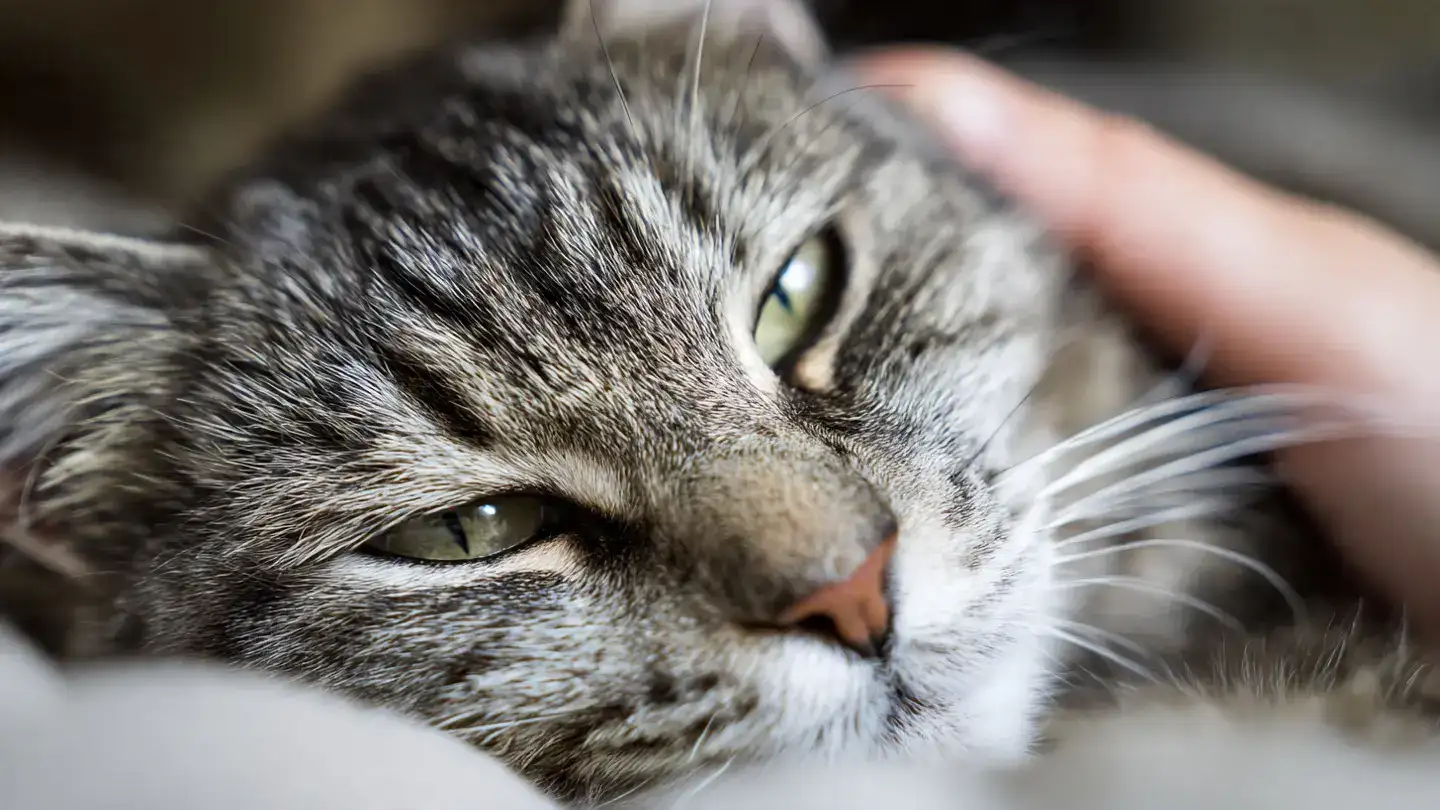
This behaviour, sometimes called “making biscuits”, is deeply rooted in feline biology. It is not random or meaningless. Instead, it reflects a combination of comfort, communication and instinctive actions that have been carried from kittenhood into adulthood.
Over time, this behaviour becomes associated with feelings of safety, warmth and contentment. Even as adult cats, kneading often reappears when they feel relaxed and secure. When your cat kneads you, it is often a sign that they associate you with the same comfort they once experienced as kittens.
This connection makes kneading a powerful indicator of trust and emotional bonding between a cat and its owner.
When a cat chooses to knead you, it is essentially marking you as a safe and comforting presence. This behaviour often accompanies purring, slow blinking or relaxed body language, all of which indicate contentment.
In the context of pet behaviour science , this action can be seen as a non-verbal expression of emotional attachment. It is one of the many subtle ways cats communicate their feelings.
By kneading you, your cat may be subtly claiming you as part of their territory. While this may sound possessive, it is actually a sign of comfort and belonging rather than dominance.
This behaviour reinforces the bond between you and your pet, creating a shared sense of security.
When your cat kneads a blanket or your lap before settling down, it is essentially preparing a cosy spot to relax. This behaviour is a natural extension of their survival instincts, adapted to a domestic environment.
Understanding this aspect of feline behaviour explained helps clarify why kneading often occurs just before a cat lies down or goes to sleep.
Instead, simple solutions such as placing a soft blanket between you and your cat or keeping their nails trimmed can make the experience more comfortable. Redirecting the behaviour gently ensures that your cat continues to feel secure without causing discomfort.
Observing these patterns can provide insights into your pet’s wellbeing. Consistency in behaviour generally indicates a stable and healthy emotional state.
Cats communicate in subtle ways, and kneading is one of the most meaningful expressions of their emotional world. By paying attention to these small actions, you gain a deeper appreciation of your pet’s needs and feelings.
In the end, what may seem like a simple habit is actually a complex blend of science, instinct and affection. When your cat kneads you, it is not just a random act but a quiet reminder of the bond you share and the comfort you provide in their life.
Image Courtesy: Meta AI
This behaviour, sometimes called “making biscuits”, is deeply rooted in feline biology. It is not random or meaningless. Instead, it reflects a combination of comfort, communication and instinctive actions that have been carried from kittenhood into adulthood.
The Connection To Kittenhood And Early Comfort
One of the most widely accepted explanations for cat kneading behaviour lies in a cat’s early life. Kittens instinctively knead their mother’s belly while nursing. This action helps stimulate milk flow and ensures they receive nourishment.Over time, this behaviour becomes associated with feelings of safety, warmth and contentment. Even as adult cats, kneading often reappears when they feel relaxed and secure. When your cat kneads you, it is often a sign that they associate you with the same comfort they once experienced as kittens.
This connection makes kneading a powerful indicator of trust and emotional bonding between a cat and its owner.
A Sign Of Affection And Emotional Bonding
Kneading is not just about instinct; it is also a form of communication. Cats often knead soft surfaces such as blankets, cushions or their owners as a way of expressing affection.When a cat chooses to knead you, it is essentially marking you as a safe and comforting presence. This behaviour often accompanies purring, slow blinking or relaxed body language, all of which indicate contentment.
In the context of pet behaviour science , this action can be seen as a non-verbal expression of emotional attachment. It is one of the many subtle ways cats communicate their feelings.
The Role Of Scent Marking
Another scientific explanation behind why cats knead involves scent marking. Cats have scent glands located in their paws. When they knead a surface, they release pheromones that mark the area as familiar and safe.By kneading you, your cat may be subtly claiming you as part of their territory. While this may sound possessive, it is actually a sign of comfort and belonging rather than dominance.
This behaviour reinforces the bond between you and your pet, creating a shared sense of security.
Preparing A Comfortable Resting Spot
In the wild, cats often knead grass or soft ground to create a comfortable place to rest. This instinct has carried over into domestic life.When your cat kneads a blanket or your lap before settling down, it is essentially preparing a cosy spot to relax. This behaviour is a natural extension of their survival instincts, adapted to a domestic environment.
Understanding this aspect of feline behaviour explained helps clarify why kneading often occurs just before a cat lies down or goes to sleep.
Why Kneading Can Sometimes Be Uncomfortable
While kneading is generally a positive behaviour, it can sometimes be uncomfortable for owners, especially if the cat’s claws are sharp. However, it is important not to discourage this behaviour harshly, as it is deeply rooted in your cat’s natural instincts.Instead, simple solutions such as placing a soft blanket between you and your cat or keeping their nails trimmed can make the experience more comfortable. Redirecting the behaviour gently ensures that your cat continues to feel secure without causing discomfort.
When To Pay Attention To Changes In Behaviour
Although kneading is usually harmless, sudden changes in frequency or intensity may indicate shifts in your cat’s emotional state. Increased kneading could be a sign of seeking comfort, while a complete absence in a previously active cat might suggest stress or discomfort.Observing these patterns can provide insights into your pet’s wellbeing. Consistency in behaviour generally indicates a stable and healthy emotional state.
Building A Deeper Understanding Of Your Cat
Understanding why cats knead humans goes beyond curiosity; it strengthens the relationship between you and your pet. Recognising this behaviour as a sign of trust, comfort and instinct allows you to respond with patience and care.Cats communicate in subtle ways, and kneading is one of the most meaningful expressions of their emotional world. By paying attention to these small actions, you gain a deeper appreciation of your pet’s needs and feelings.
In the end, what may seem like a simple habit is actually a complex blend of science, instinct and affection. When your cat kneads you, it is not just a random act but a quiet reminder of the bond you share and the comfort you provide in their life.
Image Courtesy: Meta AI
Next Story