
The Tiny Hole Protecting Your Life: Why Every Aeroplane Window Has a Secret Vent

If you have ever secured a window seat on a long-haul flight, you have likely spent time staring out at the clouds, the vast horizon, and the intricate details of the aircraft wing. During these moments of mid-air contemplation, many passengers spot something slightly alarming: a tiny, perfectly circular hole at the bottom of the window pane. It looks like a puncture or a manufacturing flaw, and at 35,000 feet, the last thing you want to see is a "broken" window. However, there is no need to alert the cabin crew. This tiny gap is a masterclass in aviation engineering, meticulously designed to keep you safe, comfortable, and breathing easily while soaring through the stratosphere.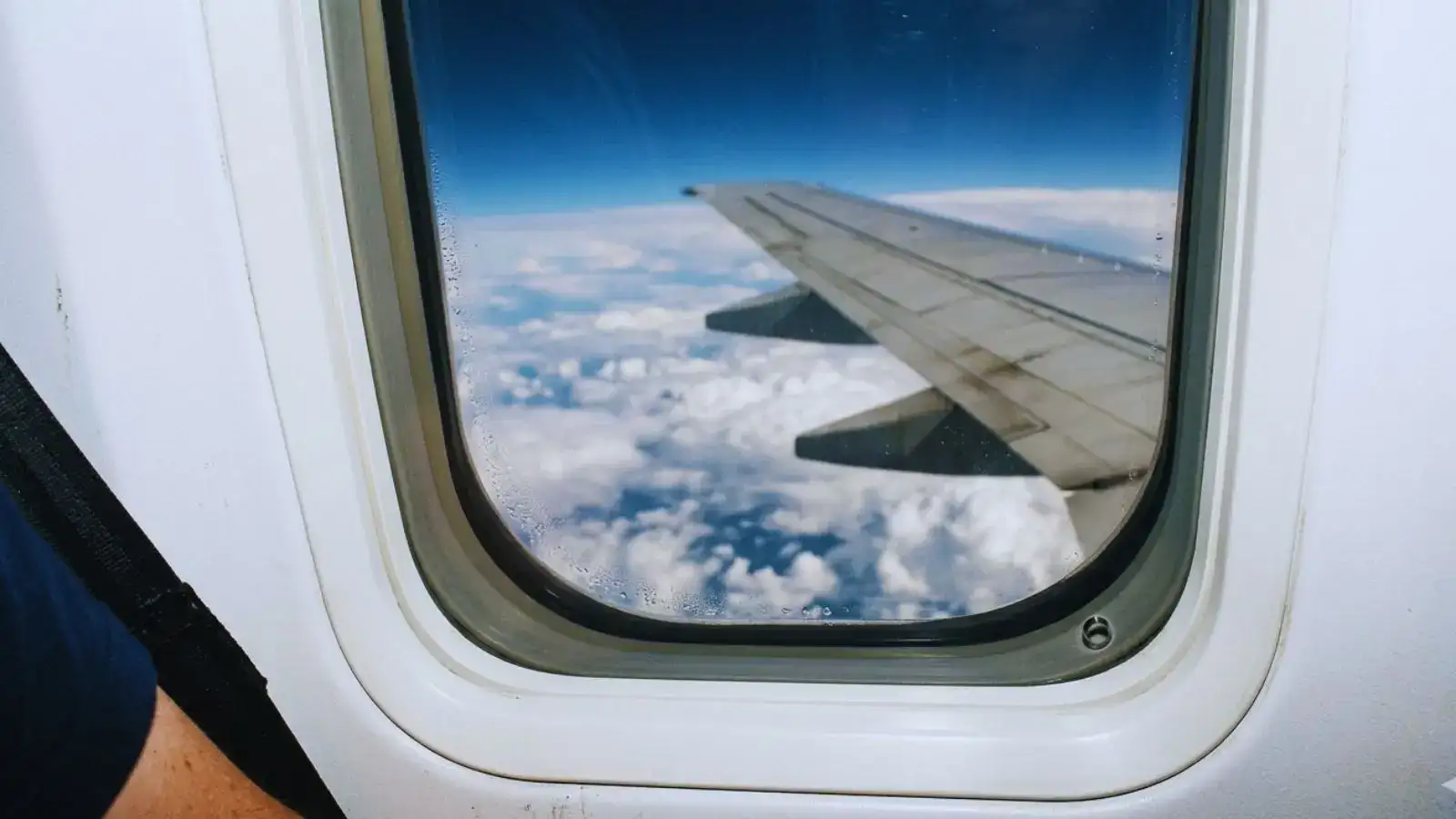
Image Courtesy: Gemini
The Anatomy of an Aeroplane Window
To understand why that hole exists, we first need to look at how a modern aircraft window is constructed. Unlike the glass in your home or car, aeroplane windows are not made of a single pane. They are actually a sophisticated "sandwich" consisting of three distinct layers of stretched acrylic. The outer pane takes the brunt of the external air pressure, the middle pane—the one with the hole—acts as a failsafe, and the inner pane (the one you can touch and smudge with your fingerprints) serves as a protective barrier to keep the other two free from scratches.Managing the Pressure Differential
The primary reason for the aeroplane window bleed hole is to balance the immense pressure difference between the cabin and the outside atmosphere. As an aircraft climbs, the air pressure outside drops significantly, becoming too thin for humans to breathe. To compensate, the cabin is artificially pressurised. This creates a massive physical strain on the structure of the plane, as the high-pressure air inside pushes outward against the low-pressure air outside. The bleed hole allows pressure to equalise between the inner passenger cabin and the small gap between the middle and outer panes.A Vital Failsafe for Cabin Pressure Safety
The outer pane is designed to carry the full load of the cabin pressure. By allowing the air to circulate through the tiny bleed hole, the middle pane remains relatively unstressed during a normal flight. However, in the extremely unlikely event that the outer pane were to crack or fail, the middle pane is engineered to take over. Because of the way the air is managed, the middle pane would become the primary pressure barrier, ensuring cabin pressure safety remains intact long enough for the pilots to descend to a safer altitude. It is a redundant system that prioritises passenger survival above all else.Keeping Your View Crystal Clear
Beyond the life-saving physics of pressure management, that tiny hole serves a much more aesthetic purpose: it prevents the window from fogging up. When you have a massive temperature difference—perhaps -50°C outside and a cosy 22°C inside—moisture and condensation are inevitable. The bleed hole allows moisture to escape from the gap between the panes. Without this clever bit of aircraft window design , your view of the Alps or the sunset would be completely obscured by frost or mist, making for a much less "Instagrammable" journey.The Brilliance of Aviation Engineering Facts
It is often the smallest details in a plane that represent the most significant aviation engineering facts. The bleed hole is a "passive" safety feature, meaning it requires no power, no computer chips, and no human intervention to function. It simply works by following the laws of physics. Every time you fly, thousands of these tiny engineering choices are working in harmony to ensure that the metal tube you are sitting in remains a safe environment against the harsh conditions of the upper atmosphere.Why You Should Feel Safe
Next time you settle into your seat and notice that little gap, you can view it with appreciation rather than anxiety. It is a constant reminder of the rigorous testing and thoughtful design that goes into modern commercial flight. The aviation industry is defined by layers of protection, where every potential point of failure has a backup. That tiny hole is just one of many silent guardians keeping the atmosphere inside the cabin stable, clear, and perfectly safe for everyone on board. Understanding why do plane windows have holes turns a moment of worry into a fascinating insight into the world of flight.Image Courtesy: Gemini
Next Story