
Why ‘Healthy’ Foods Like Protein Bars and Salads May Be Causing Your Digestive Problems

Healthy snacks are not always gut-friendly: Protein bars, granola snacks, raw salads, yoghurt bowls, seeds, and high-fibre cereals have become a major part of modern healthy eating habits. Many people choose these foods believing they improve digestion, support weight management, and boost overall wellness. However, experts now say that these so-called healthy foods may actually be responsible for common digestive problems in many individuals.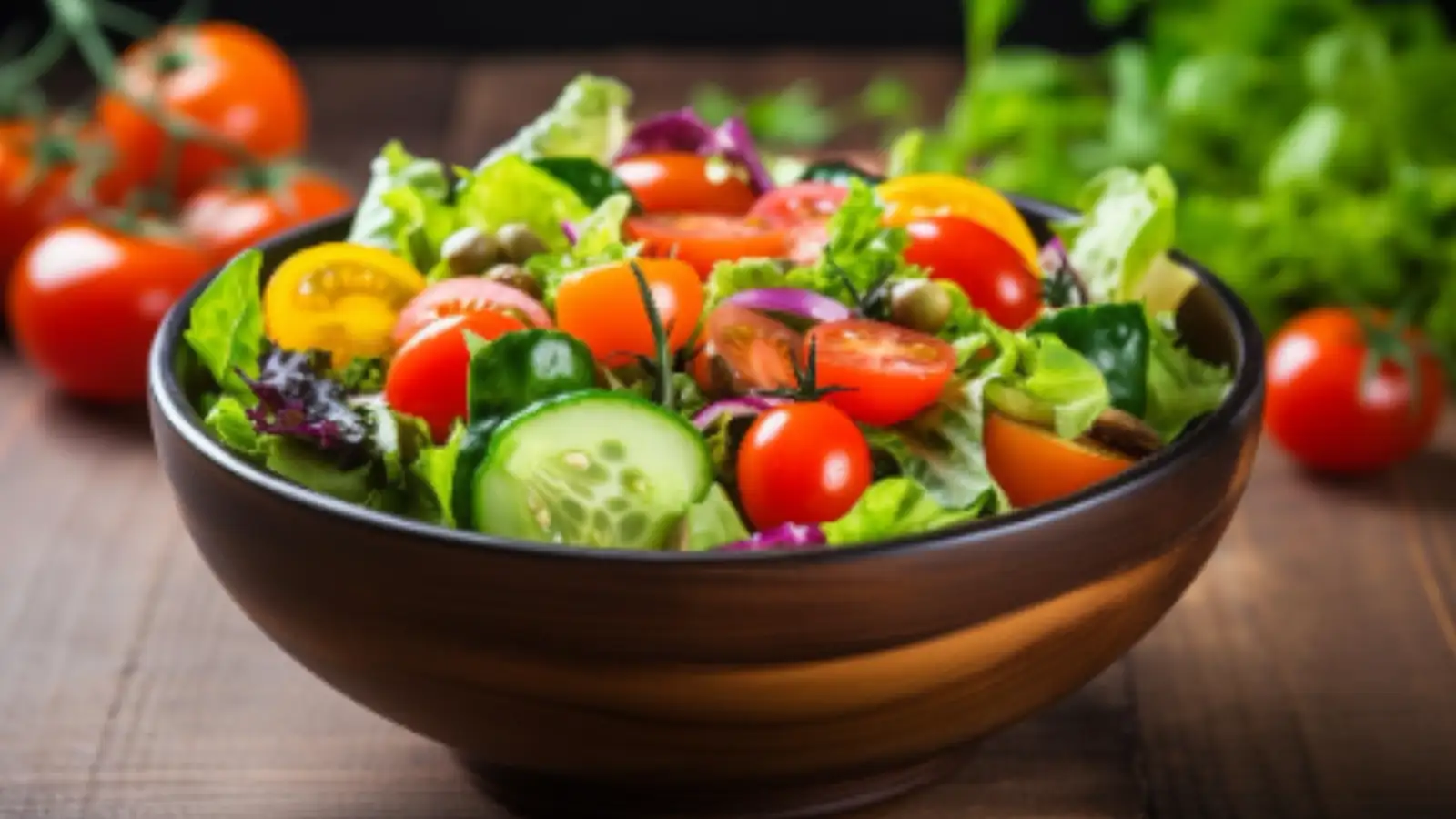
From bloating and acidity to stomach heaviness and irregular bowel movements, digestive discomfort is increasingly being linked to foods that are otherwise considered nutritious. According to health experts, the real issue lies in understanding that gut health is highly personal and not every healthy food suits every body.
Why healthy foods can still upset your stomach
Doctors say it is now very common for people to experience digestive discomfort even while following a clean and healthy diet. Foods rich in fibre, protein, or probiotics may still be difficult for some individuals to digest, especially if consumed in excess or added suddenly to the diet.
Some of the common healthy foods that may trigger digestive issues include:
People dealing with digestive sensitivities such as IBS, lactose intolerance, gastritis, or acid reflux may especially struggle with these foods. Symptoms often include gas, bloating, stomach cramps, acidity, and discomfort after meals.
Gut microbiome plays a key role in digestion
Health experts explain that gut health depends heavily on the microbiome - the collection of beneficial bacteria living inside the digestive system. These bacteria help break down fibre and complex carbohydrates through a process called fermentation.
This process produces compounds known as short-chain fatty acids that support digestion and maintain gut lining health. However, when the gut microbiome is imbalanced or sensitive, even healthy foods may become harder to process efficiently.
This is one reason why two people eating the same salad or protein snack can have completely different digestive experiences.
Even probiotics may worsen symptoms temporarily
Foods such as curd, kefir, and fermented snacks are widely promoted for improving gut health because they contain probiotics. While these foods can be beneficial, experts warn that suddenly increasing probiotic intake may temporarily lead to more bloating or stomach discomfort in sensitive individuals.
Similarly, foods rich in FODMAPs - a group of carbohydrates found in garlic, onions, and wheat - may irritate people who already have IBS or digestive sensitivity.
Instead of improving digestion instantly, these foods can sometimes trigger discomfort if the gut is unable to adapt properly.
The hidden issue with packaged ‘healthy’ snacks
Many packaged foods marketed as healthy may not actually be ideal for digestive health. Protein bars, flavoured yoghurt, fibre-rich snacks, and diet foods often contain preservatives, artificial sweeteners, sugar alcohols, and additives that may irritate the stomach.
Experts say inconsistent eating habits, overeating healthy snacks, or depending too much on processed wellness foods can also affect digestion negatively.
Simply because a product carries labels like “high protein,” “gut-friendly,” or “rich in fibre” does not automatically mean it will suit everyone’s digestive system.
Simple ways to support better gut health
Experts suggest focusing on balanced and sustainable eating habits rather than blindly following health trends. Some simple steps that may help improve digestion include:
Introduce fibre slowly
Suddenly increasing fibre intake can lead to gas and bloating. Gradually adding fibre-rich foods gives the gut time to adjust.
Stay properly hydrated
Water helps fibre move smoothly through the digestive tract and supports overall gut function.
Watch portion sizes
Even healthy foods can become difficult to digest when consumed in very large quantities.
Identify trigger foods
Keeping track of foods that consistently cause discomfort can help build a more personalised diet.
Choose minimally processed foods
Fresh and simple foods are often easier on the digestive system compared to heavily processed healthy snacks.
Avoid extreme diet changes
Drastic shifts in eating habits can stress the digestive system and disturb gut balance.
Personalised nutrition is the key to digestive health
Health experts stress that there is no universal diet that works for everyone. A food being labelled healthy does not guarantee that it will support every person’s gut health.
The best approach is to understand your body’s tolerance levels and create eating habits that suit your digestive system rather than following every wellness trend on social media.
Sometimes, improving gut health is less about eating what is popular and more about choosing foods your body can comfortably digest.
From bloating and acidity to stomach heaviness and irregular bowel movements, digestive discomfort is increasingly being linked to foods that are otherwise considered nutritious. According to health experts, the real issue lies in understanding that gut health is highly personal and not every healthy food suits every body.
Why healthy foods can still upset your stomach
Doctors say it is now very common for people to experience digestive discomfort even while following a clean and healthy diet. Foods rich in fibre, protein, or probiotics may still be difficult for some individuals to digest, especially if consumed in excess or added suddenly to the diet.
Some of the common healthy foods that may trigger digestive issues include:
- Protein bars
- High-fibre cereals
- Raw salads
- Legumes
- Seeds
- Dairy-based snacks
- Cruciferous vegetables like broccoli and cabbage
People dealing with digestive sensitivities such as IBS, lactose intolerance, gastritis, or acid reflux may especially struggle with these foods. Symptoms often include gas, bloating, stomach cramps, acidity, and discomfort after meals.
Gut microbiome plays a key role in digestion
Health experts explain that gut health depends heavily on the microbiome - the collection of beneficial bacteria living inside the digestive system. These bacteria help break down fibre and complex carbohydrates through a process called fermentation.
This process produces compounds known as short-chain fatty acids that support digestion and maintain gut lining health. However, when the gut microbiome is imbalanced or sensitive, even healthy foods may become harder to process efficiently.
This is one reason why two people eating the same salad or protein snack can have completely different digestive experiences.
Even probiotics may worsen symptoms temporarily
Foods such as curd, kefir, and fermented snacks are widely promoted for improving gut health because they contain probiotics. While these foods can be beneficial, experts warn that suddenly increasing probiotic intake may temporarily lead to more bloating or stomach discomfort in sensitive individuals.
Similarly, foods rich in FODMAPs - a group of carbohydrates found in garlic, onions, and wheat - may irritate people who already have IBS or digestive sensitivity.
Instead of improving digestion instantly, these foods can sometimes trigger discomfort if the gut is unable to adapt properly.
The hidden issue with packaged ‘healthy’ snacks
Many packaged foods marketed as healthy may not actually be ideal for digestive health. Protein bars, flavoured yoghurt, fibre-rich snacks, and diet foods often contain preservatives, artificial sweeteners, sugar alcohols, and additives that may irritate the stomach.
Experts say inconsistent eating habits, overeating healthy snacks, or depending too much on processed wellness foods can also affect digestion negatively.
Simply because a product carries labels like “high protein,” “gut-friendly,” or “rich in fibre” does not automatically mean it will suit everyone’s digestive system.
Simple ways to support better gut health
Experts suggest focusing on balanced and sustainable eating habits rather than blindly following health trends. Some simple steps that may help improve digestion include:
Introduce fibre slowly
Suddenly increasing fibre intake can lead to gas and bloating. Gradually adding fibre-rich foods gives the gut time to adjust. Stay properly hydrated
Water helps fibre move smoothly through the digestive tract and supports overall gut function. Watch portion sizes
Even healthy foods can become difficult to digest when consumed in very large quantities. Identify trigger foods
Keeping track of foods that consistently cause discomfort can help build a more personalised diet.Choose minimally processed foods
Fresh and simple foods are often easier on the digestive system compared to heavily processed healthy snacks. Avoid extreme diet changes
Drastic shifts in eating habits can stress the digestive system and disturb gut balance. Personalised nutrition is the key to digestive health
Health experts stress that there is no universal diet that works for everyone. A food being labelled healthy does not guarantee that it will support every person’s gut health.
The best approach is to understand your body’s tolerance levels and create eating habits that suit your digestive system rather than following every wellness trend on social media.
Sometimes, improving gut health is less about eating what is popular and more about choosing foods your body can comfortably digest.
Next Story