
Why Implantation Bleeding Often Gets Mistaken for an Early Period


When you want to conceive and know that you are pregnant, you might be nervous about unexpected bleeding or even light spotting. This alarms your mind about health concerns and miscarriage. However, implantation bleeding is not visible in all pregnancies.
Similarities between implantation bleeding and the early period can lead to confusion. Being aware of the differences between them makes you feel relaxed and attain physical and emotional reassurance during early pregnancy.
What Is Implantation Bleeding?
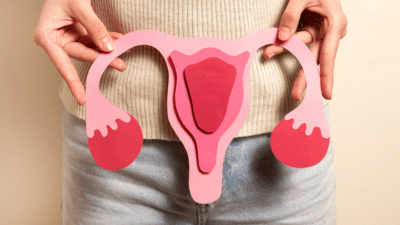
In pregnancy, the fertilised egg attaches to the uterine lining, a process called implantation. During this process, you may experience spotting called Implantation bleeding. Usually, it occurs around 6-10 days post-conception, which is close to your expected period.
Implantation bleeding is caused by damage to blood vessels in the uterine lining during implantation. It occurs in a few pregnancies and, in many cases, is not seen at all.
Why Does Implantation Bleeding Happen?
During early pregnancy, implantation is a delicate process in which the fertilised egg attaches to the uterine wall, and sensitive blood vessels may be disrupted in the process.
What Happens Inside Your Body?
Actually, the uterine lining is richly supplied with blood vessels, which are disrupted during implantation. This causes surface-level bleeding.
A hormonal shift is also one factor in spotting.
Studies reveal that healthy pregnancies also bypass the harmless phase of implantation bleeding in about 20-30% of individuals.
Why Is Implantation Bleeding So Easily Confused With a Period?
Light spotting, which is implantation bleeding, occurs near the expected period and may be mistaken for their earlier period.
Many reasons contribute to this confusion:
Without clear knowledge, it is easy to mistake your body changes during a period and pregnancy.
How Does Implantation Bleeding Look Different from a Period?
Although they may seem similar, implantation bleeding and menstrual bleeding differ in many ways.
Implantation bleeding is usually:
Menstrual bleeding is typically:
Implantation bleeding usually occurs for a few hours to two days, whereas a regular period lasts 3 to 7 days.
Can Implantation Bleeding Include Clots?
There are no clots in implantation bleeding, which are often seen in menstruation.
You can significantly differentiate small or tissue-like clots in menstrual bleeding from those in implantation bleeding.
Does Implantation Bleeding Cause Pain?
Pain is not certain with implantation bleeding.
Mild sensations that may occur:
All these are milder than menstrual cramps in terms of implantation bleeding.
Severe cramps are associated with menstrual bleeding, but if you notice this with implantation bleeding, then it should be discussed with a doctor.
Early pregnancy bleeding is most often associated with hormonal shifts.
Progesterone is the hormone that supports pregnancy. The levels of this hormone increase after ovulation and fluctuate during implantation. This results in light bleeding.
In contrast to this, decreased levels of progesterone cause menstrual bleeding as it sheds the uterine lining. This fluctuation in hormone levels helps us distinguish the difference in bleeding duration between the two cases, especially the lighter, shorter bleeding in implantation bleeding.
Can Stress or Cycle Changes Add to the Confusion?
Distractions from our routine activities or travel can cause stress, illness, and lifestyle changes, which may affect your menstrual cycle.
Irregular cycle may experience:
Implantation bleeding is unnoticeable.
Overlapping these experiences increases the risk of misunderstanding and prevents ovulation tracking.
When Should You Suspect Implantation Bleeding?
You may consider implantation bleeding if:
You may notice other early pregnancy signs, such as breast tenderness, fatigue, nausea, or a heightened sense of smell.
When Is Bleeding Not Implantation Bleeding?
Not every case of early bleeding is related to implantation.
You should seek medical advice if bleeding is:
These overall symptoms may indicate hormonal fluctuations, early pregnancy complications, or other conditions related to gynaecology.
How Can You Confirm Whether You Are Pregnant?
Implantation bleeding is not the sole factor to decide your pregnancy.
Steps you can take:
Blood tests analyse pregnancy hormones more accurately than urine tests.
Emotional Impact: Why This Confusion Can Feel Stressful
The most emotional and fearful strategy for pregnancy is bleeding. This makes you anxious, fearful, and, most commonly, disappointed.
You can ease this uncertain phase by discussing with your partner or healthcare provider, which can ease emotional disturbance and help you feel supported with the confusion of implantation bleeding.
What Can You Do to Track Your Cycle Better?
Awareness of cycles reduces unnecessary panic.
Helpful practices:
These steps help you recognise what is normal for your body.
What Should You Do Next? A Simple Checklist
The bleeding pattern is to be observed.
Adequate rest
Emotional well-being
This approach supports both physical and mental health.
A normal early pregnancy is often mistaken for a period due to its timing and appearance. Menstrual bleeding is severe, painful and darker with clots. However, Implantation bleeding is lighter and shorter with mild pain. A complete understanding of variation and attention to the body's signals make you panic-free and give you clarity. Please seek medical guidance for your reassurance.
You’re not alone in your journey when trying to conceive. Join our supportive community to connect with others, share experiences, and find encouragement every step of the way.
FAQs on Why Implantation Bleeding Often Gets Mistaken for an Early PeriodCan implantation bleeding happen only once?
Yes. Implantation bleeding usually occurs once in a pregnancy. Can implantation bleeding happen without pregnancy symptoms?
Yes. Some people may experience implantation bleeding without any pregnancy symptoms. Should you avoid activity if implantation bleeding occurs?
Light spotting usually does not require rest, but avoiding heavy exertion until it clears up is helpful.
Similarities between implantation bleeding and the early period can lead to confusion. Being aware of the differences between them makes you feel relaxed and attain physical and emotional reassurance during early pregnancy.
What Is Implantation Bleeding?
In pregnancy, the fertilised egg attaches to the uterine lining, a process called implantation. During this process, you may experience spotting called Implantation bleeding. Usually, it occurs around 6-10 days post-conception, which is close to your expected period.
Implantation bleeding is caused by damage to blood vessels in the uterine lining during implantation. It occurs in a few pregnancies and, in many cases, is not seen at all.
Why Does Implantation Bleeding Happen?
During early pregnancy, implantation is a delicate process in which the fertilised egg attaches to the uterine wall, and sensitive blood vessels may be disrupted in the process.
What Happens Inside Your Body?
Actually, the uterine lining is richly supplied with blood vessels, which are disrupted during implantation. This causes surface-level bleeding.
A hormonal shift is also one factor in spotting.
Studies reveal that healthy pregnancies also bypass the harmless phase of implantation bleeding in about 20-30% of individuals.
Why Is Implantation Bleeding So Easily Confused With a Period?
Light spotting, which is implantation bleeding, occurs near the expected period and may be mistaken for their earlier period.
Many reasons contribute to this confusion:
- Almost the same timing
- Mild cramps
- Light bleeding is still a concern
- Lack of awareness about implantation bleeding
Without clear knowledge, it is easy to mistake your body changes during a period and pregnancy.
How Does Implantation Bleeding Look Different from a Period?
Although they may seem similar, implantation bleeding and menstrual bleeding differ in many ways.
- Bleeding colour
- Flow duration
Implantation bleeding is usually:
- Light pink or brown
- Light spotting
- Pads are not soaked
Menstrual bleeding is typically:
- Bright red
- Heavier flow
- Continuous flow
- Heavy during the first few days
Implantation bleeding usually occurs for a few hours to two days, whereas a regular period lasts 3 to 7 days.
Can Implantation Bleeding Include Clots?
There are no clots in implantation bleeding, which are often seen in menstruation.
You can significantly differentiate small or tissue-like clots in menstrual bleeding from those in implantation bleeding.
Does Implantation Bleeding Cause Pain?
Pain is not certain with implantation bleeding.
Mild sensations that may occur:
- Light cramping with a pulling or tingling sensation
- Mild lower abdominal cramps
All these are milder than menstrual cramps in terms of implantation bleeding.
Severe cramps are associated with menstrual bleeding, but if you notice this with implantation bleeding, then it should be discussed with a doctor.
How Do Hormones Affect Bleeding in Early Pregnancy?
Early pregnancy bleeding is most often associated with hormonal shifts.
Progesterone is the hormone that supports pregnancy. The levels of this hormone increase after ovulation and fluctuate during implantation. This results in light bleeding.
In contrast to this, decreased levels of progesterone cause menstrual bleeding as it sheds the uterine lining. This fluctuation in hormone levels helps us distinguish the difference in bleeding duration between the two cases, especially the lighter, shorter bleeding in implantation bleeding.
Can Stress or Cycle Changes Add to the Confusion?
Distractions from our routine activities or travel can cause stress, illness, and lifestyle changes, which may affect your menstrual cycle.
Irregular cycle may experience:
- Unpredictable Bleeding timing
- Light periods may be mistaken for spotting
Implantation bleeding is unnoticeable.
Overlapping these experiences increases the risk of misunderstanding and prevents ovulation tracking.
When Should You Suspect Implantation Bleeding?
You may consider implantation bleeding if:
- Lighter bleeding
- Less than two days
- Light pink or brown colour
- It occurs about a week post-ovulation
You may notice other early pregnancy signs, such as breast tenderness, fatigue, nausea, or a heightened sense of smell.
When Is Bleeding Not Implantation Bleeding?
Not every case of early bleeding is related to implantation.
You should seek medical advice if bleeding is:
- Heavy
- Bright red with clots
- Severe cramps
- Long-lasting more than two days
- Dizziness or weakness
These overall symptoms may indicate hormonal fluctuations, early pregnancy complications, or other conditions related to gynaecology.
How Can You Confirm Whether You Are Pregnant?
Implantation bleeding is not the sole factor to decide your pregnancy.
Steps you can take:
- Observe 2–3 days after bleeding stops
- Test for pregnancy with the first morning urine sample
- If unsure, repeat the test after 48 hours
- Proceed with the doctor's prescribed blood tests
Blood tests analyse pregnancy hormones more accurately than urine tests.
Emotional Impact: Why This Confusion Can Feel Stressful
The most emotional and fearful strategy for pregnancy is bleeding. This makes you anxious, fearful, and, most commonly, disappointed.
You can ease this uncertain phase by discussing with your partner or healthcare provider, which can ease emotional disturbance and help you feel supported with the confusion of implantation bleeding.
What Can You Do to Track Your Cycle Better?
Awareness of cycles reduces unnecessary panic.
Helpful practices:
- Track ovulation with the help of kits
- Changes in discharge
- Spotting
- Record flow, colour, and duration
- Regular health check-ups
These steps help you recognise what is normal for your body.
What Should You Do Next? A Simple Checklist
The bleeding pattern is to be observed.
- Avoid misconceptions
- Pregnancy test at the right time
- Medical consultation for unusual symptoms
- Discuss all the concerns with your partner
This approach supports both physical and mental health.
A normal early pregnancy is often mistaken for a period due to its timing and appearance. Menstrual bleeding is severe, painful and darker with clots. However, Implantation bleeding is lighter and shorter with mild pain. A complete understanding of variation and attention to the body's signals make you panic-free and give you clarity. Please seek medical guidance for your reassurance.
You’re not alone in your journey when trying to conceive. Join our supportive community to connect with others, share experiences, and find encouragement every step of the way.
FAQs on Why Implantation Bleeding Often Gets Mistaken for an Early Period
Yes. Implantation bleeding usually occurs once in a pregnancy.
Yes. Some people may experience implantation bleeding without any pregnancy symptoms.
Light spotting usually does not require rest, but avoiding heavy exertion until it clears up is helpful.
Next Story