
Why Iran Suddenly Allowed Indian LPG Ships Through Hormuz


Sometimes the biggest global crises are solved quietly. No headlines. No dramatic announcements. Just a few urgent phone calls between world leaders. But behind those conversations, decisions are made that affect millions of everyday lives. Recently, something similar happened when Iran allowed two Indian LPG carriers to pass through the Strait of Hormuz. At first glance, it looked like a routine shipping movement. But in reality, it may have helped prevent a serious cooking gas shortage in India. So what really happened behind the scenes?
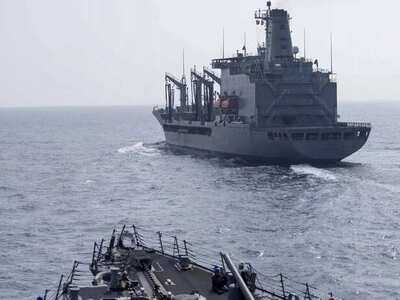
A Global Chokepoint Few People Notice
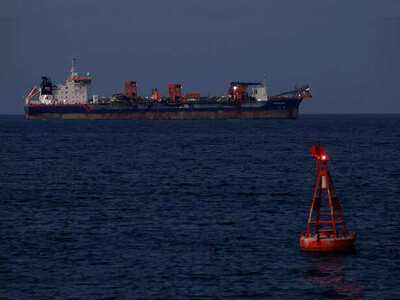
Strait of Hormuz may look like just another waterway on the map. But it is one of the most important energy corridors in the world. Tankers carrying oil and LPG from the Middle East must pass through this narrow stretch before reaching countries like India. When tensions rise in the region, even small disruptions here can affect global energy supplies. That’s why the movement of just two Indian LPG ships through this passage suddenly became a major development for energy security and supply stability.
A Crisis That Could Have Hit Indian Kitchens

Liquefied petroleum gas is not just another fuel in India. It is the main cooking fuel for millions of families. Any disruption in LPG shipments can quickly create shortages, especially in large cities and fast-growing urban areas. With tensions affecting shipping routes, energy officials were closely monitoring vessel movements near the Strait of Hormuz. If LPG carriers were delayed or blocked, the ripple effects could have reached Indian households within days, raising concerns about supply stability and price pressures.
The Phone Call That Changed EverythingJust hours before the ships were allowed through, Narendra Modi spoke with Masoud Pezeshkian. It was their first conversation since tensions escalated between Iran and the United States. According to officials, the discussion focused on the safety of Indian citizens and the uninterrupted flow of energy supplies. Soon after these talks, Iranian authorities confirmed that the Indian LPG carriers could continue their journey through the Strait of Hormuz.
A Friendship That Influenced the DecisionIran’s ambassador to India, Mohammad Fathali, described the two countries as friends with shared interests. He hinted that India had supported Iran during difficult times and that cooperation between the two nations remains strong. Diplomatic relationships built over decades sometimes reveal their importance during crises. In this case, those ties may have helped ensure that Indian vessels were given safe passage despite regional tensions.
Why Two Ships Matter More Than They SeemTwo ships might sound insignificant in global trade. But when they carry LPG during a tense geopolitical moment, their journey becomes critical.
These vessels not only helped maintain supply but also signaled that energy trade through the Strait of Hormuz could continue. For India, this meant avoiding immediate supply shocks and stabilizing cooking gas availability. Behind the scenes, officials are still working to ensure safe passage for more Indian ships waiting near the strait.
LPG Tanker Sailing Toward IndiaMost people rarely think about the diplomacy behind everyday essentials. A simple cooking gas cylinder arriving at home feels routine. Yet its journey often depends on decisions made far beyond our kitchens. Strategic waterways, tense geopolitical situations, and urgent conversations between world leaders can quietly shape whether fuel reaches millions of households. The recent passage of Indian LPG ships through the Strait of Hormuz shows how fragile global supply chains can be. Sometimes, a few timely diplomatic calls and mutual trust between nations are enough to prevent shortages, proving that the most important global decisions often happen quietly, away from public attention.
Unlock insightful tips and inspiration on personal growth, productivity, and well-being. Stay motivated and updated with the latest at My Life XP.
Frequently Asked Questions (FAQs) 1. Why is the Strait of Hormuz important for India?
The Strait of Hormuz is one of the world’s most critical energy shipping routes. Nearly half of India’s oil imports and a significant portion of LPG shipments pass through this narrow waterway. Any disruption here can affect fuel supplies, prices, and energy security for millions of Indian households.
2. Why did Iran allow the Indian LPG ships to pass?
Iran signaled that it values its diplomatic relationship with India. Officials indicated that cooperation and ongoing discussions between the two countries helped ensure safe passage for Indian-flagged vessels during a tense regional situation.
3. Who discussed the issue from the Indian side?
The matter was discussed during a phone conversation between Narendra Modi and Masoud Pezeshkian, along with diplomatic communication between their foreign ministers.
4. Could blocking the route have caused an LPG shortage in India?
Yes. Delays or restrictions on LPG carriers could have disrupted supply chains. Since millions of Indian homes rely on LPG for cooking, prolonged shipping interruptions could potentially lead to shortages or price increases.
5. Are more Indian ships waiting to pass the strait?
According to officials, several Indian-flagged vessels are still located near the region. Diplomatic efforts are continuing to ensure safe and uninterrupted passage for these ships through the Strait of Hormuz.
A Global Chokepoint Few People Notice
Iran permits passage of two India-flagged LPG carriers via Hormuz, reports Reuters
Strait of Hormuz may look like just another waterway on the map. But it is one of the most important energy corridors in the world. Tankers carrying oil and LPG from the Middle East must pass through this narrow stretch before reaching countries like India. When tensions rise in the region, even small disruptions here can affect global energy supplies. That’s why the movement of just two Indian LPG ships through this passage suddenly became a major development for energy security and supply stability.
A Crisis That Could Have Hit Indian Kitchens
Indian Navy's sail training ship, INS Sudarshini, continuing its international Lokayan 2026 voyage, has departed from Alexandria on Saturday. (@indiannavy X/ANI Photo)
Liquefied petroleum gas is not just another fuel in India. It is the main cooking fuel for millions of families. Any disruption in LPG shipments can quickly create shortages, especially in large cities and fast-growing urban areas. With tensions affecting shipping routes, energy officials were closely monitoring vessel movements near the Strait of Hormuz. If LPG carriers were delayed or blocked, the ripple effects could have reached Indian households within days, raising concerns about supply stability and price pressures.
The Phone Call That Changed EverythingJust hours before the ships were allowed through, Narendra Modi spoke with Masoud Pezeshkian. It was their first conversation since tensions escalated between Iran and the United States. According to officials, the discussion focused on the safety of Indian citizens and the uninterrupted flow of energy supplies. Soon after these talks, Iranian authorities confirmed that the Indian LPG carriers could continue their journey through the Strait of Hormuz.
A Friendship That Influenced the DecisionIran’s ambassador to India, Mohammad Fathali, described the two countries as friends with shared interests. He hinted that India had supported Iran during difficult times and that cooperation between the two nations remains strong. Diplomatic relationships built over decades sometimes reveal their importance during crises. In this case, those ties may have helped ensure that Indian vessels were given safe passage despite regional tensions.
Why Two Ships Matter More Than They SeemTwo ships might sound insignificant in global trade. But when they carry LPG during a tense geopolitical moment, their journey becomes critical.
These vessels not only helped maintain supply but also signaled that energy trade through the Strait of Hormuz could continue. For India, this meant avoiding immediate supply shocks and stabilizing cooking gas availability. Behind the scenes, officials are still working to ensure safe passage for more Indian ships waiting near the strait.
LPG Tanker Sailing Toward IndiaMost people rarely think about the diplomacy behind everyday essentials. A simple cooking gas cylinder arriving at home feels routine. Yet its journey often depends on decisions made far beyond our kitchens. Strategic waterways, tense geopolitical situations, and urgent conversations between world leaders can quietly shape whether fuel reaches millions of households. The recent passage of Indian LPG ships through the Strait of Hormuz shows how fragile global supply chains can be. Sometimes, a few timely diplomatic calls and mutual trust between nations are enough to prevent shortages, proving that the most important global decisions often happen quietly, away from public attention.
Unlock insightful tips and inspiration on personal growth, productivity, and well-being. Stay motivated and updated with the latest at My Life XP.
Frequently Asked Questions (FAQs) 1. Why is the Strait of Hormuz important for India?
The Strait of Hormuz is one of the world’s most critical energy shipping routes. Nearly half of India’s oil imports and a significant portion of LPG shipments pass through this narrow waterway. Any disruption here can affect fuel supplies, prices, and energy security for millions of Indian households.
Iran signaled that it values its diplomatic relationship with India. Officials indicated that cooperation and ongoing discussions between the two countries helped ensure safe passage for Indian-flagged vessels during a tense regional situation.
3. Who discussed the issue from the Indian side?
The matter was discussed during a phone conversation between Narendra Modi and Masoud Pezeshkian, along with diplomatic communication between their foreign ministers.
Yes. Delays or restrictions on LPG carriers could have disrupted supply chains. Since millions of Indian homes rely on LPG for cooking, prolonged shipping interruptions could potentially lead to shortages or price increases.
5. Are more Indian ships waiting to pass the strait?
According to officials, several Indian-flagged vessels are still located near the region. Diplomatic efforts are continuing to ensure safe and uninterrupted passage for these ships through the Strait of Hormuz.
Next Story