
Why Is Blue Cheese So Popular Despite Being Moldy?

Blue cheese is hard to ignore. Its strong aroma and striking blue-green veins make it clear that mold is part of the package. While that might seem off-putting at first, it hasn’t stopped blue cheese from becoming a favourite worldwide. Found everywhere from fine-dining menus to elegant cheese boards, it continues to attract devoted fans. What makes this mold-rich cheese so appealing, and why do people keep coming back to it despite its unusual look? The secret lies in its bold flavour, rich history and a unique charm that only blue cheese can deliver.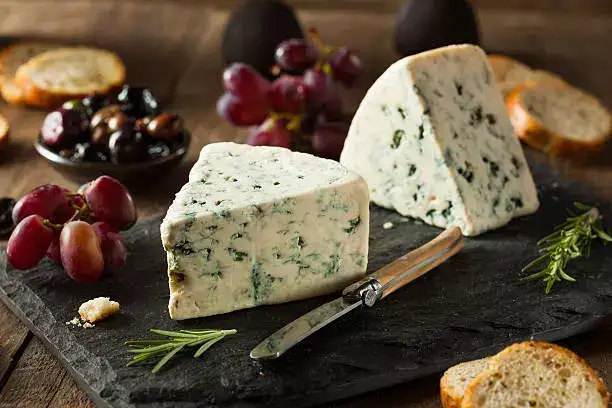
The Mold That Makes It Special and Safe
The mold in blue cheese is not accidental or harmful. It is deliberately added during the cheese-making process and grown under carefully controlled conditions. This edible mold plays a crucial role in developing the cheese’s texture and taste. As it ages, the mold breaks down fats and proteins, resulting in the creamy consistency and sharp, tangy flavour that blue cheese is known for. Without this process, blue cheese would lose its defining character.
A Powerful Flavour That Food Lovers Crave
Blue cheese offers a complex flavour profile that can be salty, tangy, earthy and slightly spicy all at once. It’s not a mild cheese, and that’s exactly why fans love it. Like coffee, olives or dark chocolate, it’s often an acquired taste—but once people develop a liking for it, they rarely go back. A small amount can elevate a dish instantly, adding depth to salads, pasta, sauces or even a simple slice of bread.
That Strong Smell Signals Quality
The intense aroma of blue cheese can be shocking at first, but for enthusiasts, it’s a sign of proper ageing and richness. The compounds responsible for its smell are also found in foods prized for their deep umami flavour, such as mushrooms, aged meats and truffles. Rather than indicating spoilage, the aroma reflects the cheese’s maturity and complexity.
More Nutritious Than You Might Expect
Despite its bold taste, blue cheese is nutritionally dense. It contains calcium, protein and vitamin B12, all important for bone health and energy. Because the flavour is strong, it’s usually consumed in small portions, making it easier to enjoy without overeating. As a fermented food, blue cheese may also support gut health, similar to yogurt and other cultured products.
A Rich History That Adds to Its Appeal
Blue cheese has been made for centuries, using techniques passed down through generations. Many traditional varieties are still produced using strict methods and protected standards. These long-standing traditions give blue cheese authenticity and cultural value, making it more than just a food it’s a piece of culinary history.
A Chef’s Favourite Ingredient
Chefs love blue cheese for its versatility and impact. Its sharpness balances sweet ingredients like pears, figs and honey, while its richness enhances savoury dishes such as burgers, steaks and creamy sauces. It pairs beautifully with bitter greens and adds complexity to cheese boards, making it a reliable ingredient in both casual and fine dining.
Why Blue Cheese Continues to Divide and Win
Blue cheese remains popular because it dares to be different. In a world filled with mild, predictable flavours, it offers something bold and unforgettable. It may divide opinions, but it never goes unnoticed. Love it or dislike it, blue cheese has secured its place as a timeless favourite proof that sometimes, the most unusual foods are the most loved.
The Mold That Makes It Special and Safe
The mold in blue cheese is not accidental or harmful. It is deliberately added during the cheese-making process and grown under carefully controlled conditions. This edible mold plays a crucial role in developing the cheese’s texture and taste. As it ages, the mold breaks down fats and proteins, resulting in the creamy consistency and sharp, tangy flavour that blue cheese is known for. Without this process, blue cheese would lose its defining character. A Powerful Flavour That Food Lovers Crave
Blue cheese offers a complex flavour profile that can be salty, tangy, earthy and slightly spicy all at once. It’s not a mild cheese, and that’s exactly why fans love it. Like coffee, olives or dark chocolate, it’s often an acquired taste—but once people develop a liking for it, they rarely go back. A small amount can elevate a dish instantly, adding depth to salads, pasta, sauces or even a simple slice of bread.You may also like
 India wedded to strategic autonomy: EAM Jaishankar amid US claims on Russian oil buys
- Hard work, clear goals, discipline essential for success in life: Chief Justice of India Surya Kant
- Punjab, Haryana record rise in minimum temperatures; Firozpur coldest at 8.2°C, Mahendragarh at 8.9°C: IMD
- AI adoption leading to moderation in entry-level hiring: Report
- Shooting in Bawana: Delhi Police nab wanted criminal after brief exchange of fire
That Strong Smell Signals Quality
The intense aroma of blue cheese can be shocking at first, but for enthusiasts, it’s a sign of proper ageing and richness. The compounds responsible for its smell are also found in foods prized for their deep umami flavour, such as mushrooms, aged meats and truffles. Rather than indicating spoilage, the aroma reflects the cheese’s maturity and complexity. More Nutritious Than You Might Expect
Despite its bold taste, blue cheese is nutritionally dense. It contains calcium, protein and vitamin B12, all important for bone health and energy. Because the flavour is strong, it’s usually consumed in small portions, making it easier to enjoy without overeating. As a fermented food, blue cheese may also support gut health, similar to yogurt and other cultured products.A Rich History That Adds to Its Appeal
Blue cheese has been made for centuries, using techniques passed down through generations. Many traditional varieties are still produced using strict methods and protected standards. These long-standing traditions give blue cheese authenticity and cultural value, making it more than just a food it’s a piece of culinary history. A Chef’s Favourite Ingredient
Chefs love blue cheese for its versatility and impact. Its sharpness balances sweet ingredients like pears, figs and honey, while its richness enhances savoury dishes such as burgers, steaks and creamy sauces. It pairs beautifully with bitter greens and adds complexity to cheese boards, making it a reliable ingredient in both casual and fine dining. Why Blue Cheese Continues to Divide and Win
Blue cheese remains popular because it dares to be different. In a world filled with mild, predictable flavours, it offers something bold and unforgettable. It may divide opinions, but it never goes unnoticed. Love it or dislike it, blue cheese has secured its place as a timeless favourite proof that sometimes, the most unusual foods are the most loved. 





More from our partners


Loving Newspoint? Download the app now
