
Why Do Jeans Have a Tiny Pocket? The Fascinating Story Behind It

A Design Rooted in the 19th Century
The small pocket on jeans, often called the “watch pocket,” dates back to the late 1800s. It was first introduced by Levi Strauss & Co. in 1873 when they created the original blue jeans. At the time, pocket watches were a common accessory for men, especially workers like miners, cowboys, and laborers.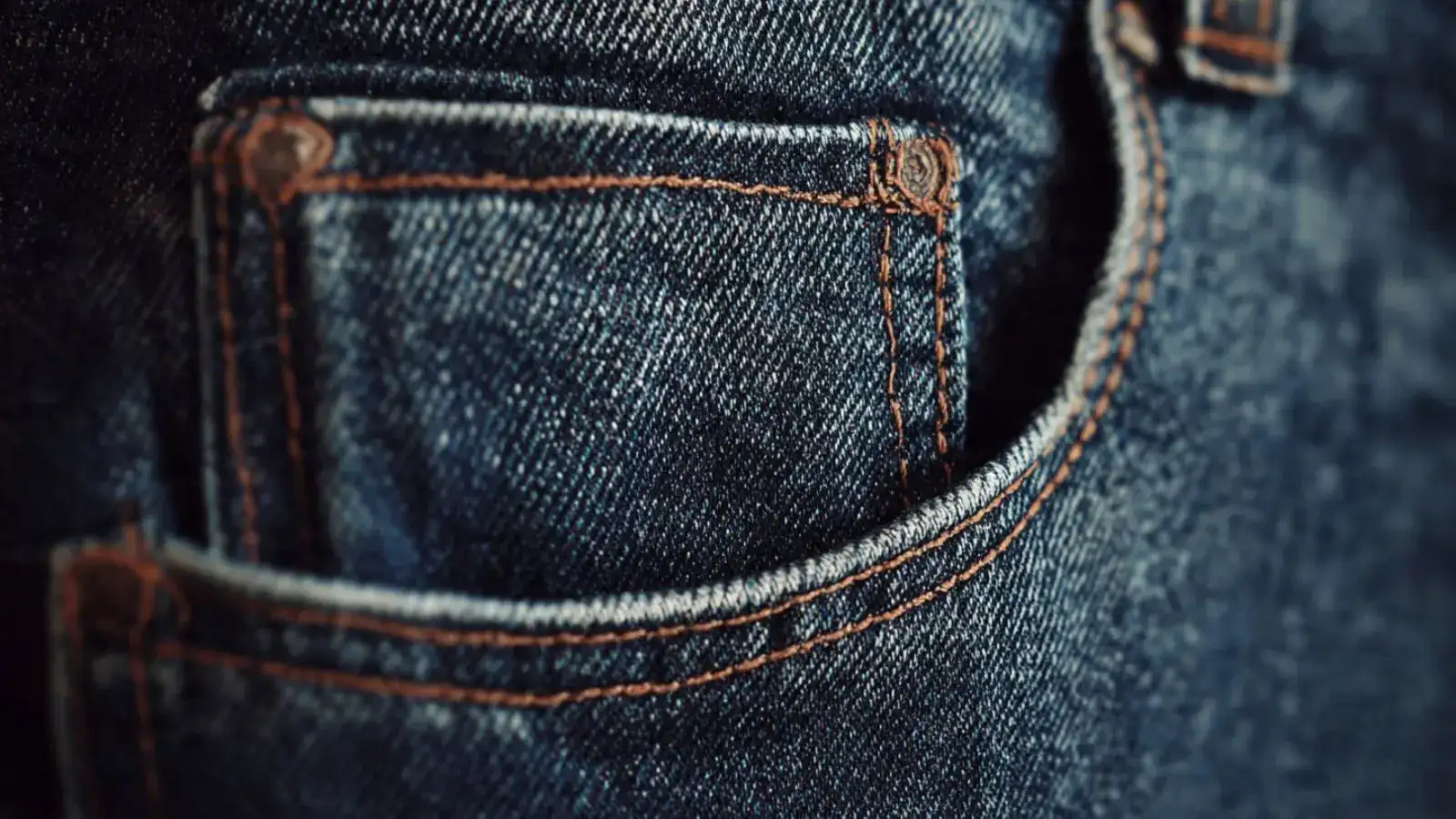
Since wristwatches had not yet become widespread, people needed a safe and secure place to store their pocket watches. The small pocket was designed specifically to keep the watch protected from scratches and accidental damage while working in rugged environments.
Why It Was Called a Watch Pocket
The pocket’s size and placement made it ideal for holding a pocket watch. Positioned inside the larger front pocket, it minimized movement and reduced the risk of the watch falling out. This thoughtful design detail quickly became a standard feature in jeans.
In fact, early advertisements and catalogs from Levi Strauss & Co. referred to it explicitly as a “watch pocket,” highlighting its intended purpose.
Evolution with Changing Times
As fashion evolved and wristwatches replaced pocket watches in the early 20th century, the original purpose of the small pocket became less relevant. However, instead of removing it, manufacturers kept the design intact.
Over time, the small pocket found new uses. People began using it to store coins, matches, tickets, or small personal items. In modern times, it’s often used for things like USB drives, earbuds, or even rings.
Despite these changes, the pocket’s size has remained largely the same, preserving its historical identity.
Why Brands Still Include It Today
The continued presence of the small pocket is a blend of tradition and branding. Denim is not just about utility, it’s also about heritage. Keeping classic design elements helps maintain authenticity and connects modern fashion to its roots.
For brands, especially heritage labels like Levi Strauss & Co., retaining the small pocket reinforces the story of jeans as durable workwear that evolved into a global fashion staple.
Additionally, consumers have come to expect this feature. Removing it might make jeans feel incomplete or less “authentic,” even if its original purpose is no longer relevant.
A Symbol of Functional Fashion
The small pocket is a perfect example of how practical design can outlive its original function. What started as a necessity for 19th-century workers has become a signature detail in modern clothing.
It also highlights how fashion often preserves elements of the past, even when technology and lifestyles change. Today, the pocket may not hold a watch, but it still carries a piece of history.
The tiny pocket on your jeans is far more than a decorative detail, it’s a functional relic from a time when pocket watches were essential. Its survival through generations speaks to the enduring influence of thoughtful design. Next time you slip your hand into that small pocket, you’re not just using a feature, you’re connecting with over a century of fashion history.
The small pocket on jeans, often called the “watch pocket,” dates back to the late 1800s. It was first introduced by Levi Strauss & Co. in 1873 when they created the original blue jeans. At the time, pocket watches were a common accessory for men, especially workers like miners, cowboys, and laborers.
Since wristwatches had not yet become widespread, people needed a safe and secure place to store their pocket watches. The small pocket was designed specifically to keep the watch protected from scratches and accidental damage while working in rugged environments.
Why It Was Called a Watch Pocket
The pocket’s size and placement made it ideal for holding a pocket watch. Positioned inside the larger front pocket, it minimized movement and reduced the risk of the watch falling out. This thoughtful design detail quickly became a standard feature in jeans.
In fact, early advertisements and catalogs from Levi Strauss & Co. referred to it explicitly as a “watch pocket,” highlighting its intended purpose.
Evolution with Changing Times
As fashion evolved and wristwatches replaced pocket watches in the early 20th century, the original purpose of the small pocket became less relevant. However, instead of removing it, manufacturers kept the design intact.
Over time, the small pocket found new uses. People began using it to store coins, matches, tickets, or small personal items. In modern times, it’s often used for things like USB drives, earbuds, or even rings.
Despite these changes, the pocket’s size has remained largely the same, preserving its historical identity.
Why Brands Still Include It Today
The continued presence of the small pocket is a blend of tradition and branding. Denim is not just about utility, it’s also about heritage. Keeping classic design elements helps maintain authenticity and connects modern fashion to its roots.
For brands, especially heritage labels like Levi Strauss & Co., retaining the small pocket reinforces the story of jeans as durable workwear that evolved into a global fashion staple.
Additionally, consumers have come to expect this feature. Removing it might make jeans feel incomplete or less “authentic,” even if its original purpose is no longer relevant.
A Symbol of Functional Fashion
The small pocket is a perfect example of how practical design can outlive its original function. What started as a necessity for 19th-century workers has become a signature detail in modern clothing.
It also highlights how fashion often preserves elements of the past, even when technology and lifestyles change. Today, the pocket may not hold a watch, but it still carries a piece of history.
The tiny pocket on your jeans is far more than a decorative detail, it’s a functional relic from a time when pocket watches were essential. Its survival through generations speaks to the enduring influence of thoughtful design. Next time you slip your hand into that small pocket, you’re not just using a feature, you’re connecting with over a century of fashion history.
Next Story