
Why Kerala Is Known As God’s Own Country? Discover Nature, Culture, Cuisine And Heritage In One Magical Destination

Kerala God’s Own Country Explained Through Nature, Festivals, History, Tourism And Cultural Legacy: Kerala is widely celebrated as one of India’s most beautiful travel destinations due to its exceptional natural diversity, rich cultural traditions and historical significance. Located along the western coastline of India, the region offers a rare combination of beaches, hill stations, backwaters and wildlife habitats within a relatively compact geographical space. The state’s identity is strongly shaped by ecological richness, traditional arts, spiritual heritage and progressive social development. Visitors from across the world are drawn to its peaceful landscapes, vibrant festivals and healing wellness traditions. Kerala continues to inspire travellers looking for scenic beauty, cultural experiences and immersive nature tourism.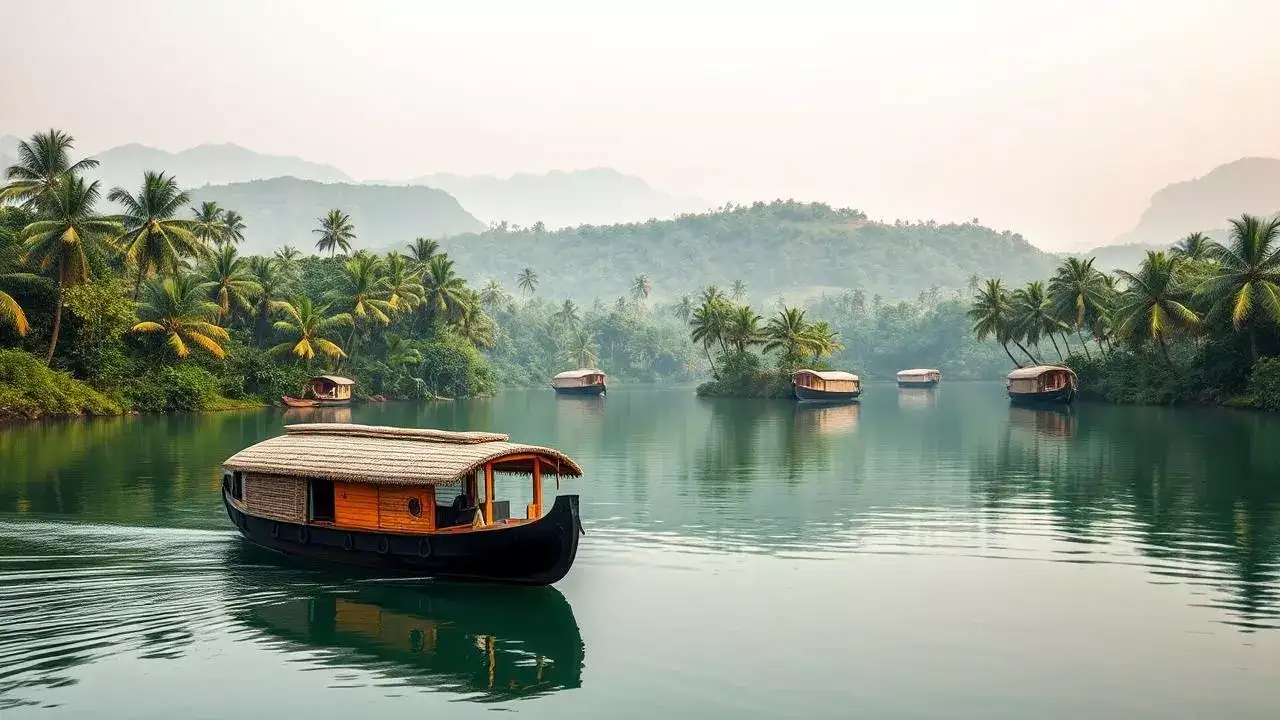
Hill stations such as Munnar, Wayanad and Vagamon attract nature lovers with their tea plantations and mist-covered valleys. Unique botanical phenomena such as Neelakurinji flowers, which bloom once every 12 years, add to the region’s natural mystique. Lakes and rivers also contribute to agricultural prosperity, helping local communities maintain sustainable farming practices. The ecological balance between human settlements and nature remains an important part of Kerala’s identity.
The backwater network is another defining feature of Kerala tourism. These interconnected lagoons, canals and rivers create peaceful waterways best explored using traditional houseboats. Backwater tourism offers travellers a chance to experience rural life, traditional fishing communities and scenic sunset views. Destinations like Alleppey and Kumarakom are especially famous for luxury houseboat experiences and tranquil water landscapes.
Festivals play an important role in community bonding. Onam is the state’s most celebrated harvest festival, symbolising prosperity and harmony. Snake boat races and temple festivals showcase competitive spirit, artistic decorations and traditional music performances. These events attract large crowds of domestic and international tourists each year, strengthening Kerala’s cultural tourism appeal.
Local cuisine reflects coastal geography and agricultural abundance. Seafood dishes, coconut-based curries and rice-based meals dominate traditional menus. Popular dishes such as steamed rice cakes, fermented pancakes and seafood curries offer authentic taste experiences. Kerala’s food culture represents centuries of trade influence blended with indigenous cooking methods.
This wellness tradition attracts international travellers seeking alternative healthcare experiences. Ayurvedic practices are deeply connected with nature-based medicine using herbs, oils and traditional massage therapies. Tourism development in this sector continues to grow as global interest in natural healthcare increases.
These mythological stories contribute to cultural identity and religious traditions. Festivals and rituals help preserve ancient storytelling traditions while promoting social unity. Mythology continues to influence Kerala’s tourism branding and cultural narratives.
Tourism continues to play a major role in economic growth. Sustainable tourism initiatives focus on protecting natural habitats while promoting responsible travel experiences. Kerala successfully balances modern urban development with environmental preservation.
Kerala’s combination of natural beauty, cultural diversity, spiritual heritage and tourism innovation continues to justify its reputation as God’s Own Country. The destination offers unforgettable experiences for travellers seeking nature, history, food and cultural immersion in one remarkable location.
Natural Beauty And Biodiversity Wonders
Kerala’s ecological landscape is one of its greatest attractions. The state is home to dense forests, tropical vegetation, waterfalls, rivers and mountainous terrain formed by the Western Ghats. These mountain ranges are recognised globally as biodiversity hotspots supporting thousands of plant and animal species. Wildlife sanctuaries and national parks help protect endangered species while promoting eco-tourism activities.Hill stations such as Munnar, Wayanad and Vagamon attract nature lovers with their tea plantations and mist-covered valleys. Unique botanical phenomena such as Neelakurinji flowers, which bloom once every 12 years, add to the region’s natural mystique. Lakes and rivers also contribute to agricultural prosperity, helping local communities maintain sustainable farming practices. The ecological balance between human settlements and nature remains an important part of Kerala’s identity.
Beaches, Backwaters And Coastal Tourism
The long coastline along the Arabian Sea offers stunning beaches and water-based tourism experiences. Popular coastal destinations provide opportunities for relaxation, adventure sports and seafood dining. Beaches such as Kovalam, Varkala and Alappuzha are known for palm-lined shores, historic lighthouses and cultural festivals.The backwater network is another defining feature of Kerala tourism. These interconnected lagoons, canals and rivers create peaceful waterways best explored using traditional houseboats. Backwater tourism offers travellers a chance to experience rural life, traditional fishing communities and scenic sunset views. Destinations like Alleppey and Kumarakom are especially famous for luxury houseboat experiences and tranquil water landscapes.
Cultural Heritage, Festivals And Traditional Arts
Kerala’s cultural richness is reflected through its classical art forms, martial traditions and musical heritage. Classical dance performances such as Kathakali and Mohiniyattam use expressive facial movements and elaborate costumes to narrate historical stories. Traditional martial arts such as Kalaripayattu demonstrate disciplined physical training combined with ancient combat philosophy.Festivals play an important role in community bonding. Onam is the state’s most celebrated harvest festival, symbolising prosperity and harmony. Snake boat races and temple festivals showcase competitive spirit, artistic decorations and traditional music performances. These events attract large crowds of domestic and international tourists each year, strengthening Kerala’s cultural tourism appeal.
Kerala Cuisine And Spice Heritage
Kerala is historically known as the spice capital of India due to its long history of spice trade with European and Middle Eastern merchants. The region produces high-quality pepper, cardamom, cinnamon, nutmeg, turmeric and ginger. These spices are widely used in traditional cooking and Ayurvedic medicine.Local cuisine reflects coastal geography and agricultural abundance. Seafood dishes, coconut-based curries and rice-based meals dominate traditional menus. Popular dishes such as steamed rice cakes, fermented pancakes and seafood curries offer authentic taste experiences. Kerala’s food culture represents centuries of trade influence blended with indigenous cooking methods.
Ayurveda And Wellness Tourism
Kerala is globally recognised as the birthplace of Ayurveda, an ancient system of natural healing and holistic wellness. Ayurvedic treatments focus on balancing body energy, improving immunity and promoting long-term health. Wellness resorts and treatment centres offer herbal therapies, yoga sessions and natural detoxification programmes.This wellness tradition attracts international travellers seeking alternative healthcare experiences. Ayurvedic practices are deeply connected with nature-based medicine using herbs, oils and traditional massage therapies. Tourism development in this sector continues to grow as global interest in natural healthcare increases.
Historical Legends And Mythological Significance
Kerala’s historical identity is also linked to ancient mythology. According to traditional legends, the land was created by sage Parshurama, who is believed to have reclaimed land from the sea to form present-day Kerala. Another famous legend relates to King Mahabali, whose prosperous rule is celebrated annually during the Onam festival.These mythological stories contribute to cultural identity and religious traditions. Festivals and rituals help preserve ancient storytelling traditions while promoting social unity. Mythology continues to influence Kerala’s tourism branding and cultural narratives.
Modern Development And Social Progress
Kerala is also recognised for its social development achievements. The state has one of the highest literacy rates in India and strong performance in social welfare indicators. Education, healthcare access and gender equality standards are comparatively high.Tourism continues to play a major role in economic growth. Sustainable tourism initiatives focus on protecting natural habitats while promoting responsible travel experiences. Kerala successfully balances modern urban development with environmental preservation.
Kerala’s combination of natural beauty, cultural diversity, spiritual heritage and tourism innovation continues to justify its reputation as God’s Own Country. The destination offers unforgettable experiences for travellers seeking nature, history, food and cultural immersion in one remarkable location.
Next Story