
Why Last Seen Is Secretly Controlling Your Emotions Every Day

There is something oddly powerful about a tiny timestamp on a screen. A simple “last seen” update can quietly shape how we feel, what we think, and even how we behave. It may look like just another feature in messaging apps, but it often carries more emotional weight than we are willing to admit.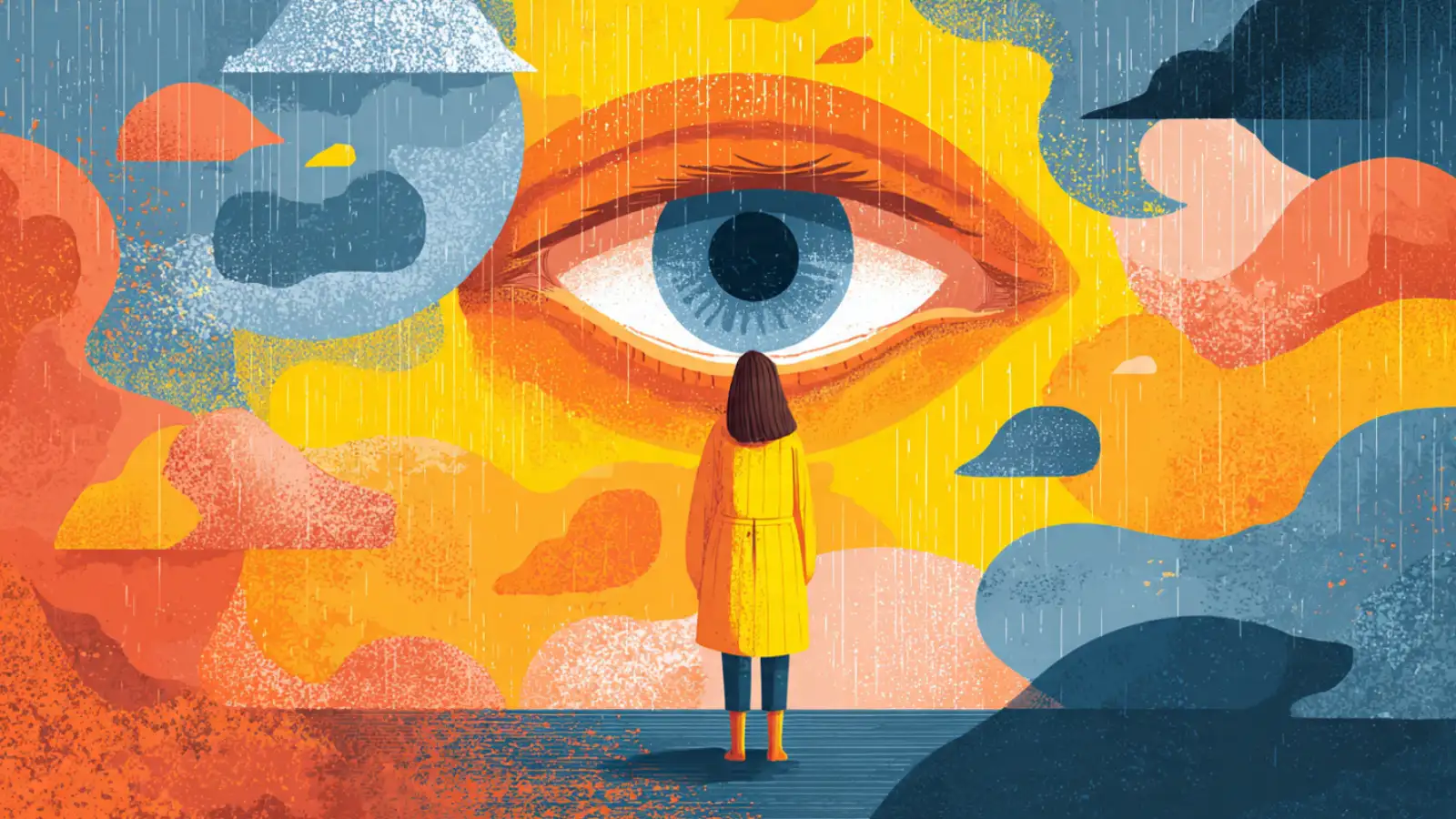
In a world where communication happens instantly, we have started attaching meaning to silence. When someone is online but does not reply, it can feel louder than words. When they were active just moments ago, it can trigger curiosity, anxiety, or even doubt. This is why “last seen” is not just a technical detail. It is a subtle but strong emotional signal that reflects how deeply we have tied our relationships to digital presence.
Think about how animals like dogs react when their owners are not around. A dog waits, senses absence, and reacts emotionally even without words. Humans are not very different in digital spaces. The “last seen” status becomes our version of tracking presence. It answers a silent question: Are they there or not?
This feature plays directly into our need for validation. If someone has seen our message or was recently online but has not responded, we start interpreting that silence. It can feel personal, even when it is not. The human brain is wired to look for patterns and meanings, and “last seen” gives it just enough information to overthink.
Just because someone opened an app does not mean they are ready to engage. They might be busy, distracted, or simply not in the right headspace to reply. Yet, seeing their “last seen” makes it easy to assume otherwise.
This is similar to how animals like cats behave. A cat may be present in the same room, yet completely uninterested in interaction. Presence does not always mean participation. In digital communication, we often forget this distinction.
The result is unnecessary misunderstanding. We start expecting immediate replies simply because we know the other person was online. Over time, this can quietly build pressure in relationships.
Sometimes it creates anxiety. Sometimes it leads to frustration. Other times, it triggers self-doubt. These reactions often have less to do with the other person and more to do with how we interpret the situation.
Animals like elephants are known for their emotional depth and memory. They respond strongly to absence and presence within their social groups. Humans show similar emotional patterns in digital interactions. When we see “last seen,” we subconsciously measure attention, care, and priority.
This is where the emotional weight of the feature becomes clear. It is not just about communication. It is about how we feel valued or ignored.
Why were they online but did not reply?
Did they ignore the message?
Are they upset?
These thoughts can spiral quickly. The mind starts building stories without real evidence. This is where digital communication becomes tricky. Unlike face-to-face interaction, there are no tone, expressions, or immediate feedback to guide understanding.
Even animals like wolves rely heavily on direct signals within their pack. Their communication is clear and immediate. Humans, on the other hand, are navigating a space where signals are incomplete, and “last seen” becomes one of the few visible cues.
It can create expectations. It can also create pressure. Some people feel the need to respond quickly just to avoid being misunderstood. Others may feel judged based on their activity.
Over time, this can affect trust and comfort. When communication starts being monitored through timestamps, it shifts from natural interaction to something more calculated.
Even animals like parrots, known for their social bonding, rely on consistent interaction to maintain connections. Humans are no different. The difference is that our interactions are now filtered through screens, where even silence can feel amplified.
It feels like having a small window into someone’s world. Even if it does not provide full clarity, it gives a hint. And sometimes, that hint feels better than not knowing anything at all.
The human brain prefers information over uncertainty. Even incomplete information can feel comforting. This is why “last seen” continues to hold importance, even when we try to ignore it.
Being online does not equal being available. Silence does not always mean disinterest. And delayed replies are not always intentional.
Just like animals such as turtles move at their own pace without urgency, communication also does not need to be instant to be meaningful. Allowing space for delayed responses can make interactions feel more natural and less pressured.
It is also helpful to focus more on the quality of conversations rather than the timing. A thoughtful reply, even if delayed, often matters more than an immediate one.
In a world where communication happens instantly, we have started attaching meaning to silence. When someone is online but does not reply, it can feel louder than words. When they were active just moments ago, it can trigger curiosity, anxiety, or even doubt. This is why “last seen” is not just a technical detail. It is a subtle but strong emotional signal that reflects how deeply we have tied our relationships to digital presence.
The Psychology Behind “Last Seen”
At its core, “last seen” taps into something very human. We naturally seek connection, reassurance, and response. When those needs are not met instantly, our mind starts filling in the gaps.Think about how animals like dogs react when their owners are not around. A dog waits, senses absence, and reacts emotionally even without words. Humans are not very different in digital spaces. The “last seen” status becomes our version of tracking presence. It answers a silent question: Are they there or not?
This feature plays directly into our need for validation. If someone has seen our message or was recently online but has not responded, we start interpreting that silence. It can feel personal, even when it is not. The human brain is wired to look for patterns and meanings, and “last seen” gives it just enough information to overthink.
The Illusion of Availability
One of the biggest reasons “last seen” matters so much is because it creates an illusion. It makes us believe that being online means being available. But that is rarely true.Just because someone opened an app does not mean they are ready to engage. They might be busy, distracted, or simply not in the right headspace to reply. Yet, seeing their “last seen” makes it easy to assume otherwise.
This is similar to how animals like cats behave. A cat may be present in the same room, yet completely uninterested in interaction. Presence does not always mean participation. In digital communication, we often forget this distinction.
The result is unnecessary misunderstanding. We start expecting immediate replies simply because we know the other person was online. Over time, this can quietly build pressure in relationships.
How “Last Seen” Shapes Emotional Reactions
It is surprising how quickly a small detail can affect our mood. A delayed reply without context can lead to multiple interpretations.Sometimes it creates anxiety. Sometimes it leads to frustration. Other times, it triggers self-doubt. These reactions often have less to do with the other person and more to do with how we interpret the situation.
Animals like elephants are known for their emotional depth and memory. They respond strongly to absence and presence within their social groups. Humans show similar emotional patterns in digital interactions. When we see “last seen,” we subconsciously measure attention, care, and priority.
This is where the emotional weight of the feature becomes clear. It is not just about communication. It is about how we feel valued or ignored.
The Role of Overthinking in Digital Communication
“Last seen” feeds directly into overthinking. It provides just enough information to spark questions but not enough to provide clarity.Why were they online but did not reply?
Did they ignore the message?
Are they upset?
These thoughts can spiral quickly. The mind starts building stories without real evidence. This is where digital communication becomes tricky. Unlike face-to-face interaction, there are no tone, expressions, or immediate feedback to guide understanding.
Even animals like wolves rely heavily on direct signals within their pack. Their communication is clear and immediate. Humans, on the other hand, are navigating a space where signals are incomplete, and “last seen” becomes one of the few visible cues.
Impact on Modern Relationships
Relationships today are deeply influenced by how we communicate online. “Last seen” has quietly become a part of relationship dynamics.It can create expectations. It can also create pressure. Some people feel the need to respond quickly just to avoid being misunderstood. Others may feel judged based on their activity.
You may also like
- Unveiling the Untold Stories of Indian Lives Aboard the Titanic
- Cosmetic surgery on finance: What happens if you hate the results?
- Why Gold is Bought on Akshaya Tritiya: Mahabharata & Kubera Link
- Health Benefits of Star Anise Water: A Natural Remedy
- Effective Remedies to Lighten Dark Underarms and Thighs
Over time, this can affect trust and comfort. When communication starts being monitored through timestamps, it shifts from natural interaction to something more calculated.
Even animals like parrots, known for their social bonding, rely on consistent interaction to maintain connections. Humans are no different. The difference is that our interactions are now filtered through screens, where even silence can feel amplified.
Why We Struggle to Ignore It
Despite knowing that “last seen” is not always meaningful, we still check it. This habit is difficult to break because it offers a sense of control.It feels like having a small window into someone’s world. Even if it does not provide full clarity, it gives a hint. And sometimes, that hint feels better than not knowing anything at all.
The human brain prefers information over uncertainty. Even incomplete information can feel comforting. This is why “last seen” continues to hold importance, even when we try to ignore it.
Finding a Healthier Perspective
Understanding the impact of “last seen” is the first step toward managing it better. It helps to remind ourselves that digital signals are not always accurate reflections of reality.Being online does not equal being available. Silence does not always mean disinterest. And delayed replies are not always intentional.
Just like animals such as turtles move at their own pace without urgency, communication also does not need to be instant to be meaningful. Allowing space for delayed responses can make interactions feel more natural and less pressured.
It is also helpful to focus more on the quality of conversations rather than the timing. A thoughtful reply, even if delayed, often matters more than an immediate one.






More from our partners


Loving Newspoint? Download the app now
