
Why Low Cholesterol Levels Can Quietly Drain Vitamin D And What You Must Keep In Your Diet

Cholesterol is frequently associated with health risks, but the reality is more nuanced. It is a vital substance required by the body to produce hormones, build cell membranes, and most importantly, synthesise vitamin D. When the skin is exposed to sunlight, cholesterol helps initiate the process that converts sunlight into usable vitamin D.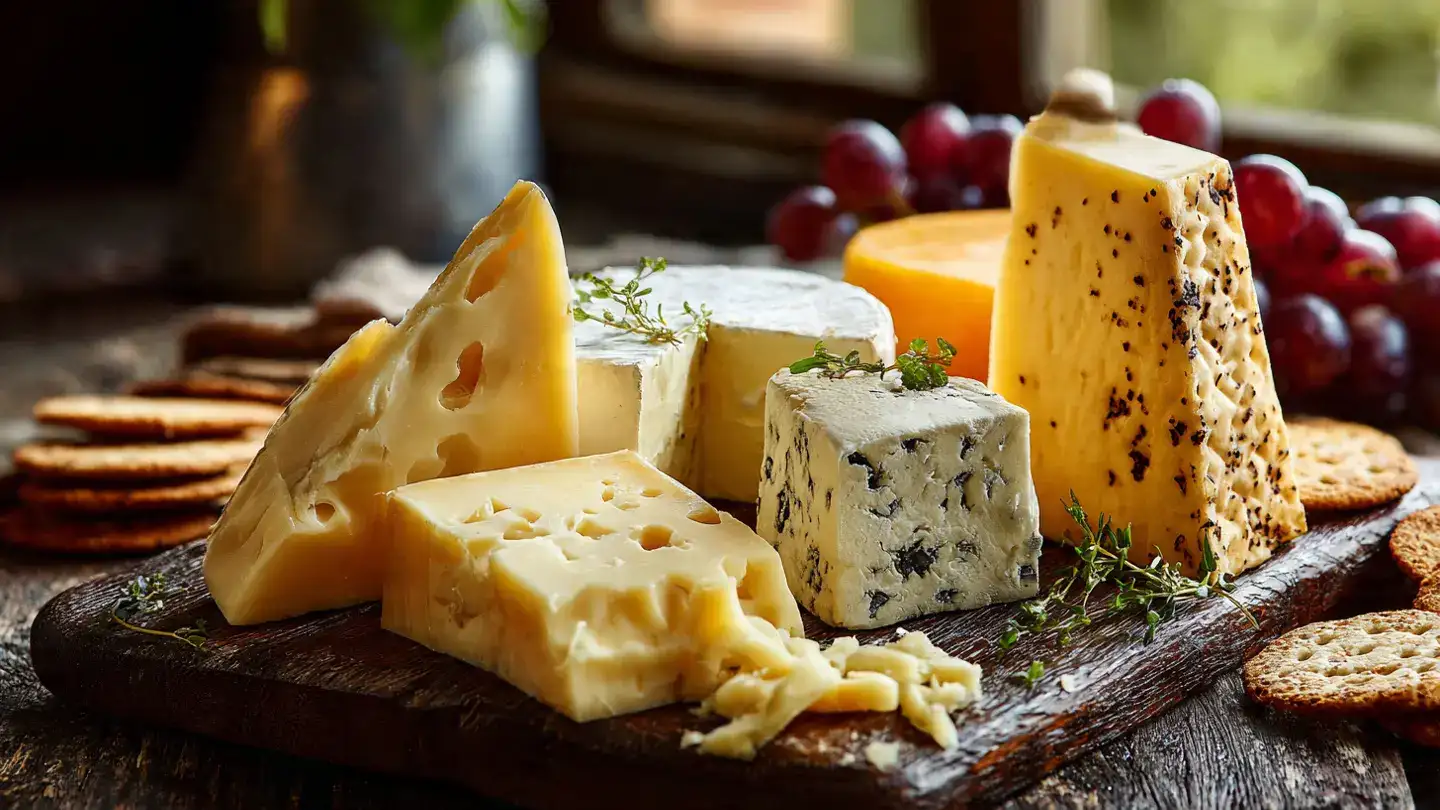
If cholesterol levels drop too low, this natural process becomes less efficient. As a result, the body may struggle to maintain adequate vitamin D levels, even with sufficient sun exposure. Over time, this imbalance can contribute to vitamin D deficiency , affecting bones, immunity, and overall vitality.
One of the key concerns is the disruption of the relationship between cholesterol and vitamin D . Without adequate cholesterol, the body’s ability to produce and regulate vitamin D is compromised. This can lead to weakened bones, fatigue, and reduced muscle strength over time.
Eggs are a valuable source of good cholesterol and provide essential nutrients that support overall health. They also contribute to vitamin D intake, making them an important addition to daily meals.
Dairy products, especially cheese, offer a combination of calcium, healthy fats, and protein. Cheese benefits nutrition by supporting bone health and helping maintain energy levels. Removing it completely may reduce essential nutrient intake.
Nuts and seeds provide healthy fats that support heart health while also contributing to balanced cholesterol levels. They are rich in antioxidants and play a role in maintaining overall wellbeing.
Fatty fish such as salmon and mackerel are excellent sources of vitamin D and omega-3 fatty acids. These nutrients help support bone strength and reduce inflammation.
Ghee or traditional clarified butter, when consumed in moderation, can help maintain energy and support nutrient absorption. It has been a part of traditional diets for generations and continues to offer value when used wisely.
Full-fat yoghurt provides probiotics along with healthy fats, supporting digestion and nutrient absorption. It also contributes to maintaining a balanced diet without excessively lowering cholesterol.
A balanced approach that includes moderate sun exposure and a nutrient-rich diet is essential. Avoiding extreme dietary restrictions helps ensure that the body receives all necessary components for optimal functioning.
Monitoring both cholesterol and vitamin D levels through regular health check-ups can help detect issues early. It is important to focus on overall health rather than targeting a single parameter in isolation.
Instead of eliminating foods, the focus should be on maintaining healthy cholesterol levels through a balanced diet and lifestyle. Including nutrient-dense options such as cheese, nuts, and fish ensures that the body continues to function effectively.
Understanding the connection between low cholesterol effects and vitamin D production highlights the importance of moderation. A well-rounded diet, combined with healthy habits, remains the most reliable way to support long-term health and prevent deficiencies.
Image Courtesy: Meta AI
If cholesterol levels drop too low, this natural process becomes less efficient. As a result, the body may struggle to maintain adequate vitamin D levels, even with sufficient sun exposure. Over time, this imbalance can contribute to vitamin D deficiency , affecting bones, immunity, and overall vitality.
Why Extremely Low Cholesterol Can Be Harmful
While high cholesterol is widely discussed, very low levels can also pose risks. The body relies on a balanced amount of cholesterol to function properly. When levels fall below what is required, it may impact hormone production, brain function, and nutrient absorption.One of the key concerns is the disruption of the relationship between cholesterol and vitamin D . Without adequate cholesterol, the body’s ability to produce and regulate vitamin D is compromised. This can lead to weakened bones, fatigue, and reduced muscle strength over time.
Six Essential Foods You Should Not Eliminate
In an attempt to reduce cholesterol, many people remove important foods from their diet. However, cutting certain nutrient-rich foods entirely can do more harm than good. Maintaining healthy cholesterol levels requires balance rather than complete restriction.Eggs are a valuable source of good cholesterol and provide essential nutrients that support overall health. They also contribute to vitamin D intake, making them an important addition to daily meals.
Dairy products, especially cheese, offer a combination of calcium, healthy fats, and protein. Cheese benefits nutrition by supporting bone health and helping maintain energy levels. Removing it completely may reduce essential nutrient intake.
Nuts and seeds provide healthy fats that support heart health while also contributing to balanced cholesterol levels. They are rich in antioxidants and play a role in maintaining overall wellbeing.
Fatty fish such as salmon and mackerel are excellent sources of vitamin D and omega-3 fatty acids. These nutrients help support bone strength and reduce inflammation.
Ghee or traditional clarified butter, when consumed in moderation, can help maintain energy and support nutrient absorption. It has been a part of traditional diets for generations and continues to offer value when used wisely.
Full-fat yoghurt provides probiotics along with healthy fats, supporting digestion and nutrient absorption. It also contributes to maintaining a balanced diet without excessively lowering cholesterol.
The Balance Between Diet And Sunlight
Maintaining adequate vitamin D levels is not solely dependent on diet. Sunlight exposure plays a crucial role. However, without sufficient cholesterol, even regular sunlight may not be enough for effective vitamin D synthesis.A balanced approach that includes moderate sun exposure and a nutrient-rich diet is essential. Avoiding extreme dietary restrictions helps ensure that the body receives all necessary components for optimal functioning.
Signs You Should Not Ignore
Low vitamin D levels can manifest in subtle ways. Common signs include fatigue, bone pain, muscle weakness, and frequent illnesses. These symptoms are often overlooked but can indicate an underlying imbalance.Monitoring both cholesterol and vitamin D levels through regular health check-ups can help detect issues early. It is important to focus on overall health rather than targeting a single parameter in isolation.
A More Informed Approach To Health
The growing awareness around heart health has led many people to aggressively reduce cholesterol intake. However, this approach can sometimes overlook the body’s broader needs. Cholesterol is not merely a risk factor but also a necessary component for essential biological processes.Instead of eliminating foods, the focus should be on maintaining healthy cholesterol levels through a balanced diet and lifestyle. Including nutrient-dense options such as cheese, nuts, and fish ensures that the body continues to function effectively.
Understanding the connection between low cholesterol effects and vitamin D production highlights the importance of moderation. A well-rounded diet, combined with healthy habits, remains the most reliable way to support long-term health and prevent deficiencies.
Image Courtesy: Meta AI
Next Story