
Why LPG Smells Even Though It Is Naturally Odourless And What It Means For Household Safety

Why Liquefied Petroleum Gas Is Odourless But Still Smells Inside Your Home: Liquefied Petroleum Gas, commonly known as LPG, is widely used across households for cooking and heating. Millions of homes rely on it every day because it is efficient, convenient and relatively clean compared to many traditional fuels. However, most people associate LPG with a strong and distinctive smell. Interestingly, the gas itself is naturally odourless. This raises a common question among many consumers: if LPG has no natural smell, why do we detect such a noticeable odour whenever there is a leak or when the gas is released? The answer lies in a deliberate safety measure designed to protect users from potentially dangerous situations.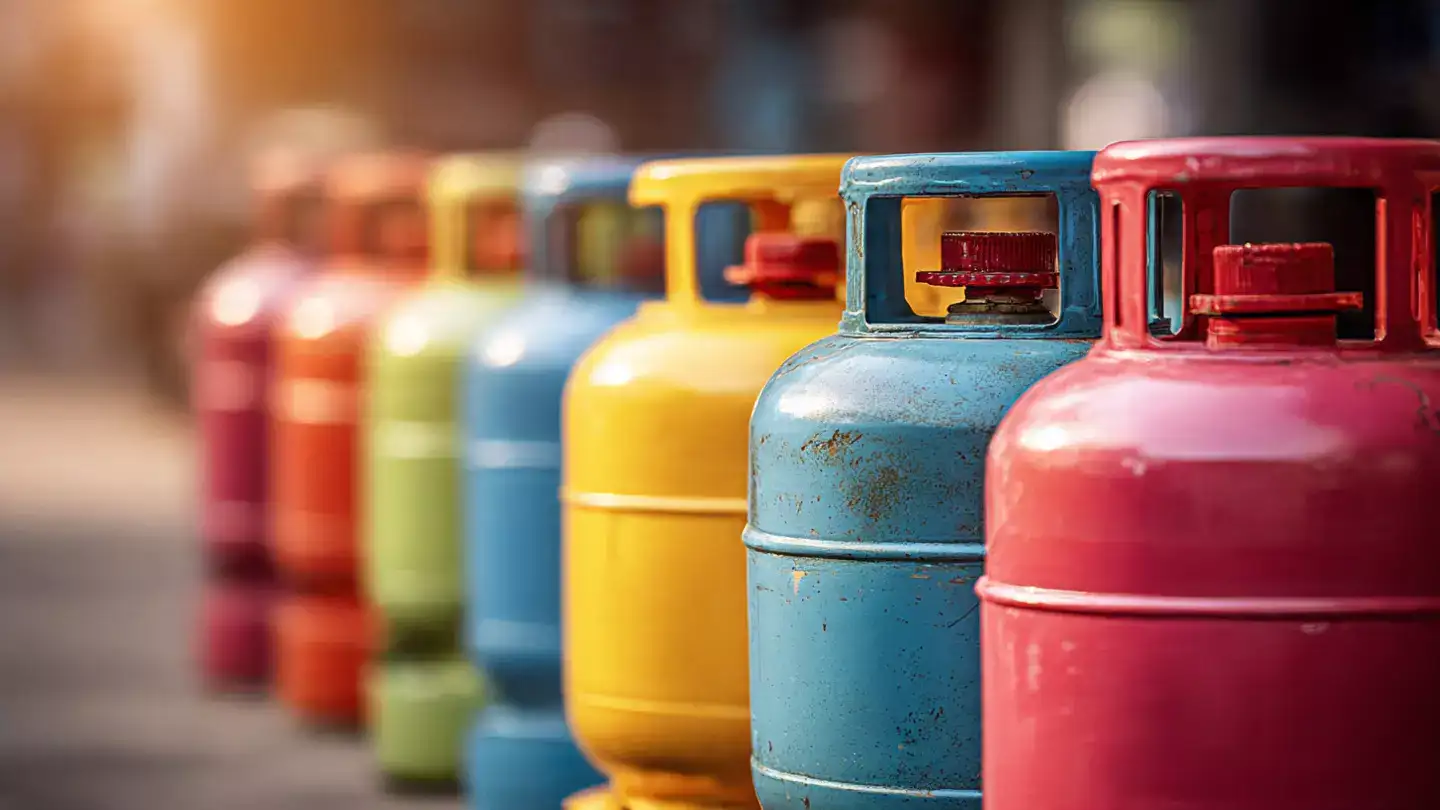
One of the key reasons LPG is popular as a domestic fuel is its efficiency and clean-burning nature. It produces less smoke and fewer pollutants compared to solid fuels such as coal or wood. This makes it suitable for use in household kitchens, restaurants and even certain industrial applications.
However, in its pure form, LPG is colourless and odourless. This means that without any modification, people would not be able to detect its presence in the air if a leak occurred. That could lead to extremely dangerous situations.
From a chemical perspective, these gases lack the sulphur compounds that typically create strong smells in many substances. As a result, LPG itself does not give any warning signs when it escapes from a cylinder, pipeline or stove.
This characteristic makes untreated LPG risky for household use because a gas leak could go unnoticed until it becomes a serious hazard.
Ethyl mercaptan has a very strong and unpleasant smell, often compared to rotten eggs or sulphur. Even a very tiny amount of this compound can produce a noticeable odour that people can detect easily.
The purpose of adding this substance is simple but extremely important. If LPG leaks from a cylinder, pipe or appliance, the added odour quickly spreads through the air and alerts people nearby. This allows them to identify the leak early and take necessary safety measures.
In other words, the smell associated with LPG is not natural. It is deliberately introduced to help people recognise gas leaks before they become dangerous.
The strong smell added to LPG plays a crucial role in gas leak detection. The human nose can detect the odour even when the gas concentration in the air is very low. This provides a quick warning system without needing any specialised equipment.
When people notice the smell of LPG in their kitchen or home, it usually indicates a possible leak from the cylinder, regulator, pipeline or gas stove. Immediate action can then be taken, such as turning off the regulator, ventilating the area and avoiding any ignition sources.
This simple safety feature has helped prevent countless accidents around the world.
If you detect the characteristic LPG smell, the first thing to do is turn off the gas supply from the cylinder regulator if it is safe to do so. Open doors and windows immediately to allow fresh air to circulate and disperse the gas.
Avoid switching on electrical appliances, lights or fans because even a small spark could ignite the gas. Similarly, do not use matches, lighters or any open flames.
It is also advisable to move people away from the affected area and contact the gas service provider to inspect the cylinder or connection. Taking these precautions can significantly reduce the risk of accidents.
Modern safety systems, including gas detectors, can also help identify leaks. However, the distinctive LPG smell remains the first and most immediate warning sign in most homes.
Because LPG cylinders are commonly used in kitchens where cooking involves flames and heat, early detection becomes even more important. The added odour ensures that people can respond quickly before the gas concentration reaches dangerous levels.
In simple terms, the smell that many people associate with LPG is actually a life-saving feature designed to protect households from potential disasters.
Understanding why LPG smells despite being naturally odourless also highlights the importance of staying alert to this warning sign. If the odour is ever noticed, it should always be treated seriously and addressed immediately to ensure the safety of everyone in the home.
Image Courtesy: Meta AI
What Exactly Is LPG
LPG, or liquefied petroleum gas, is a mixture of hydrocarbon gases mainly composed of propane and butane. These gases are produced during the refining of crude oil and also during natural gas processing. When stored under moderate pressure, LPG becomes a liquid, which makes it easier to transport and store in cylinders.One of the key reasons LPG is popular as a domestic fuel is its efficiency and clean-burning nature. It produces less smoke and fewer pollutants compared to solid fuels such as coal or wood. This makes it suitable for use in household kitchens, restaurants and even certain industrial applications.
However, in its pure form, LPG is colourless and odourless. This means that without any modification, people would not be able to detect its presence in the air if a leak occurred. That could lead to extremely dangerous situations.
Why LPG Is Naturally Odourless
The primary components of LPG, propane and butane, are hydrocarbons that do not have a noticeable smell in their natural state. When these gases are purified during processing, they become almost completely odourless.From a chemical perspective, these gases lack the sulphur compounds that typically create strong smells in many substances. As a result, LPG itself does not give any warning signs when it escapes from a cylinder, pipeline or stove.
This characteristic makes untreated LPG risky for household use because a gas leak could go unnoticed until it becomes a serious hazard.
The Safety Reason Behind LPG Smell
To solve this problem, gas companies intentionally add a special chemical compound to LPG before it is distributed for domestic use. This compound is called ethyl mercaptan.Ethyl mercaptan has a very strong and unpleasant smell, often compared to rotten eggs or sulphur. Even a very tiny amount of this compound can produce a noticeable odour that people can detect easily.
The purpose of adding this substance is simple but extremely important. If LPG leaks from a cylinder, pipe or appliance, the added odour quickly spreads through the air and alerts people nearby. This allows them to identify the leak early and take necessary safety measures.
In other words, the smell associated with LPG is not natural. It is deliberately introduced to help people recognise gas leaks before they become dangerous.
How The Added Odour Helps Detect Gas Leaks
Gas leaks can pose serious risks including fire hazards, explosions and health problems if the gas accumulates in enclosed spaces. Because LPG is highly flammable, early detection is critical.The strong smell added to LPG plays a crucial role in gas leak detection. The human nose can detect the odour even when the gas concentration in the air is very low. This provides a quick warning system without needing any specialised equipment.
When people notice the smell of LPG in their kitchen or home, it usually indicates a possible leak from the cylinder, regulator, pipeline or gas stove. Immediate action can then be taken, such as turning off the regulator, ventilating the area and avoiding any ignition sources.
This simple safety feature has helped prevent countless accidents around the world.
What To Do If You Smell LPG At Home
Recognising the smell of LPG is only the first step. Knowing how to respond correctly is equally important for safety.If you detect the characteristic LPG smell, the first thing to do is turn off the gas supply from the cylinder regulator if it is safe to do so. Open doors and windows immediately to allow fresh air to circulate and disperse the gas.
Avoid switching on electrical appliances, lights or fans because even a small spark could ignite the gas. Similarly, do not use matches, lighters or any open flames.
It is also advisable to move people away from the affected area and contact the gas service provider to inspect the cylinder or connection. Taking these precautions can significantly reduce the risk of accidents.
You may also like
- 5 Stunning Climbing Plants That Make Your Balcony Look Lush and Expensive
- Shoppers ditch denim jackets for quilted £28 coat that's 'lovely' for spring
- 7 Space-Saving Vegetables Perfect for Balcony Gardens
- From McDonald's to KFC, LPG shortage could spoil the taste of fast food..
- Will 1 million views on YouTube fill your pockets? Learn how much you can earn from a video
Why This Safety Feature Is Essential
The addition of odour to LPG is considered one of the most effective safety measures in domestic gas usage. Without this precaution, detecting a leak would be extremely difficult for the average household.Modern safety systems, including gas detectors, can also help identify leaks. However, the distinctive LPG smell remains the first and most immediate warning sign in most homes.
Because LPG cylinders are commonly used in kitchens where cooking involves flames and heat, early detection becomes even more important. The added odour ensures that people can respond quickly before the gas concentration reaches dangerous levels.
In simple terms, the smell that many people associate with LPG is actually a life-saving feature designed to protect households from potential disasters.
Understanding why LPG smells despite being naturally odourless also highlights the importance of staying alert to this warning sign. If the odour is ever noticed, it should always be treated seriously and addressed immediately to ensure the safety of everyone in the home.
Image Courtesy: Meta AI






More from our partners


Loving Newspoint? Download the app now
