
Why Orangutans Play A Crucial Role In Helping Forests Grow And Sustain Biodiversity Naturally

Deep within the dense tropical rainforests of Southeast Asia, orangutans quietly perform a role that is vital for the survival of these ecosystems. While they are often admired for their intelligence and human-like behaviour, their ecological importance goes far beyond that. Orangutans contribute directly to forest growth by aiding natural regeneration processes that sustain biodiversity. Without their presence, many forest systems would struggle to maintain balance. Understanding how these primates influence their environment reveals why their conservation is closely tied to the health of entire forests.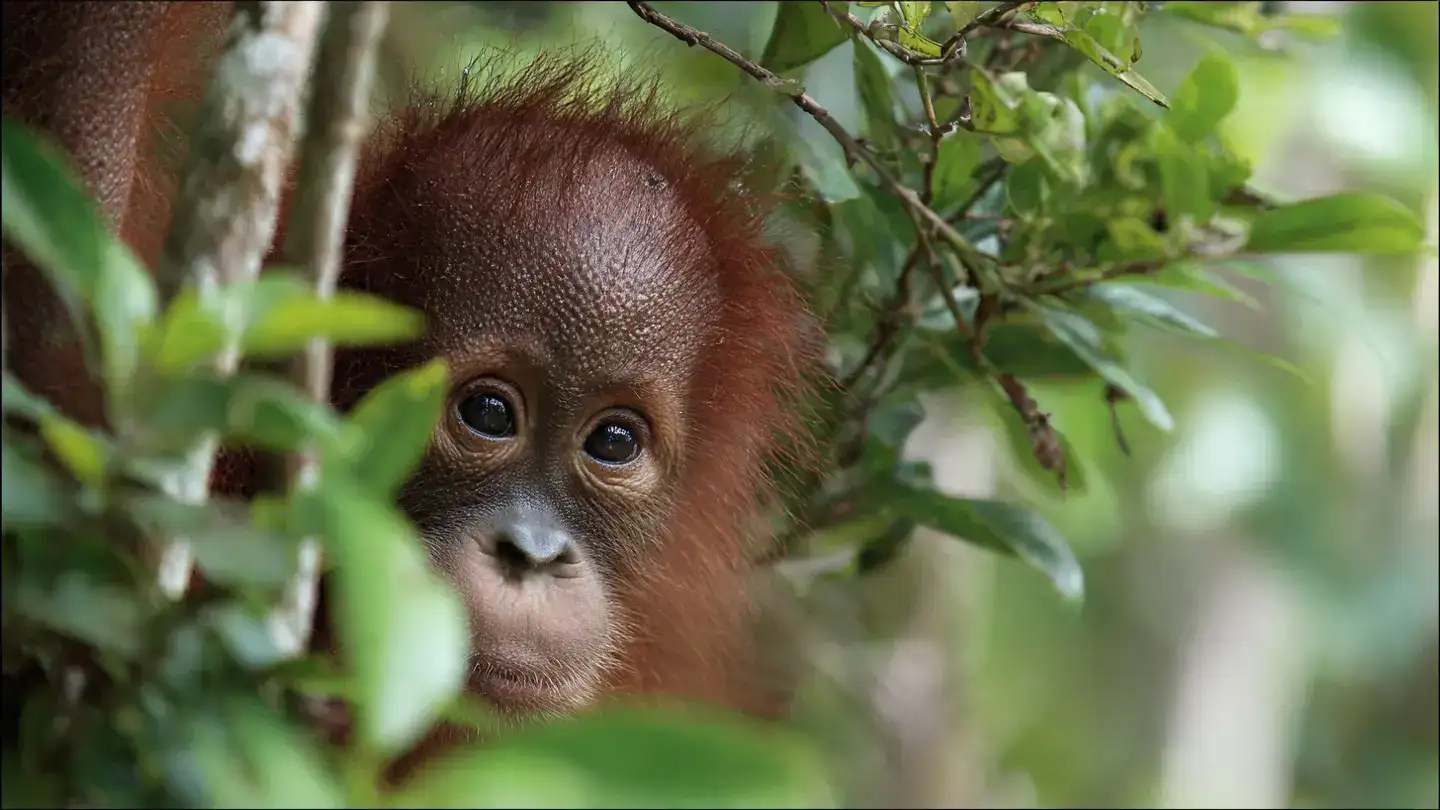
When orangutans move across large areas of the forest and excrete these seeds, they effectively plant new trees in different locations. This natural process allows plant species to spread, reducing competition and encouraging healthy forest expansion. Seed dispersal animals like orangutans play a crucial role in maintaining plant diversity.
Seeds that fall close to the parent tree often struggle due to limited sunlight, nutrients and increased vulnerability to pests. By spreading seeds across wider areas, orangutans improve the chances of successful germination. This contributes significantly to rainforest biodiversity importance and strengthens ecosystem resilience.
Some seeds only germinate effectively after passing through an animal’s digestive system. Orangutans provide the perfect conditions for this process, making them indispensable for certain plant species. Their role in tropical forest regeneration is both direct and long-lasting.
This natural pruning effect supports a dynamic ecosystem where different layers of vegetation can flourish. Over time, this helps maintain a balanced and diverse forest environment.
When orangutan populations decline, the impact ripples across the ecosystem. Reduced seed dispersal can lead to fewer tree species, which in turn affects the animals that depend on them. This highlights the interconnected nature of forest ecosystems.
As their habitats shrink, so does their ability to contribute to forest regeneration. This creates a cycle where both orangutans and forests suffer. Protecting these primates is therefore not just about saving a species, but about preserving entire ecosystems.
Supporting orangutan conservation impact goes beyond ethical responsibility. It is a practical step towards safeguarding biodiversity and ensuring the long-term sustainability of tropical forests. Healthy forests are essential for climate regulation, carbon storage and global ecological balance.
Orangutans are not just inhabitants of the rainforest, they are key architects of its future. Their everyday activities shape the landscape in ways that benefit countless species, including humans. Recognising their role and taking steps to protect them is essential for ensuring that forests continue to grow, adapt and thrive for generations to come.
Image Courtesy: Meta AI
Natural Seed Dispersers Of The Rainforest
One of the most significant ways orangutans help forests grow is through seed dispersal. Their diet mainly consists of fruits, along with leaves, bark and insects. As they consume fruit, they ingest seeds that pass through their digestive system without being damaged.When orangutans move across large areas of the forest and excrete these seeds, they effectively plant new trees in different locations. This natural process allows plant species to spread, reducing competition and encouraging healthy forest expansion. Seed dispersal animals like orangutans play a crucial role in maintaining plant diversity.
Supporting Biodiversity Through Movement
Orangutans are highly mobile and spend most of their time in the canopy, travelling considerable distances in search of food. This movement helps distribute seeds far away from the parent trees, which is essential for plant survival.Seeds that fall close to the parent tree often struggle due to limited sunlight, nutrients and increased vulnerability to pests. By spreading seeds across wider areas, orangutans improve the chances of successful germination. This contributes significantly to rainforest biodiversity importance and strengthens ecosystem resilience.
Acting As Forest Gardeners
Orangutans are often described as natural gardeners, and for good reason. Their feeding behaviour influences which plants thrive in certain areas. By favouring specific fruits, they help regulate plant populations and maintain ecological balance.Some seeds only germinate effectively after passing through an animal’s digestive system. Orangutans provide the perfect conditions for this process, making them indispensable for certain plant species. Their role in tropical forest regeneration is both direct and long-lasting.
Creating Space For New Growth
In addition to dispersing seeds, orangutans also contribute to forest structure. As they move through trees, they break branches and create small gaps in the canopy. These openings allow sunlight to reach the forest floor, encouraging the growth of new plants.This natural pruning effect supports a dynamic ecosystem where different layers of vegetation can flourish. Over time, this helps maintain a balanced and diverse forest environment.
The Wider Impact On Ecosystem Health
The presence of orangutans affects more than just plant life. By supporting forest growth, they indirectly benefit countless other species that depend on trees for food and shelter. Birds, insects and smaller mammals all rely on the habitats created through these natural processes.When orangutan populations decline, the impact ripples across the ecosystem. Reduced seed dispersal can lead to fewer tree species, which in turn affects the animals that depend on them. This highlights the interconnected nature of forest ecosystems.
Threats To Orangutans And Forest Stability
Despite their importance, orangutans face serious threats, primarily due to deforestation and habitat loss. Large areas of rainforest have been cleared for agriculture, logging and development, reducing the space available for these animals to survive.As their habitats shrink, so does their ability to contribute to forest regeneration. This creates a cycle where both orangutans and forests suffer. Protecting these primates is therefore not just about saving a species, but about preserving entire ecosystems.
Why Conservation Matters More Than Ever
Efforts to protect orangutans have gained global attention, with conservation programmes focusing on habitat preservation and rehabilitation. These initiatives aim to ensure that orangutans continue to play their role in maintaining forest health.Supporting orangutan conservation impact goes beyond ethical responsibility. It is a practical step towards safeguarding biodiversity and ensuring the long-term sustainability of tropical forests. Healthy forests are essential for climate regulation, carbon storage and global ecological balance.
Orangutans are not just inhabitants of the rainforest, they are key architects of its future. Their everyday activities shape the landscape in ways that benefit countless species, including humans. Recognising their role and taking steps to protect them is essential for ensuring that forests continue to grow, adapt and thrive for generations to come.
Image Courtesy: Meta AI
Next Story