
Why Panchmukhi Hanuman Is Seen as Protection From All Five Directions


“मनोजवं मारुततुल्यवेगं जितेन्द्रियं बुद्धिमतां वरिष्ठम्। वातात्मजं वानरयूथमुख्यं श्रीरामदूतं शरणं प्रपद्ये॥”
There are some forms of Hanuman that inspire devotion. There are some that inspire strength. And then there is Panchmukhi Hanuman, a form so powerful that devotees believe it watches over every direction at once.
Unlike the familiar image of Hanuman carrying the Sanjeevani mountain or sitting in deep devotion before Ram, Panchmukhi Hanuman appears fierce, alert, and all seeing. Five faces, five energies, and protection from all sides. For many devotees, this form is not just about mythology. It is about feeling guarded in a world full of uncertainty, fear, jealousy, negative influences, and unseen struggles.
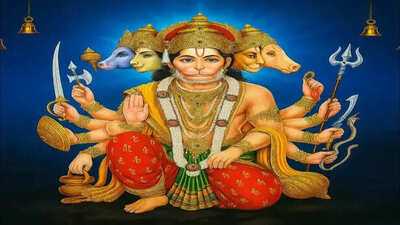
The idea behind Panchmukhi Hanuman is deeply symbolic. It says that danger does not always come from one place. Fear can come from the past, the future, people around us, our own thoughts, or the unknown. Panchmukhi Hanuman represents the strength to protect oneself from all of it.
1. The Story Began During Hanuman’s Battle With Mahiravana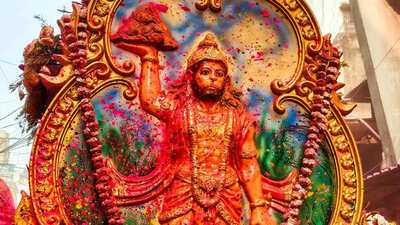
The origin of Panchmukhi Hanuman is linked to a lesser known Ramayana tradition involving Mahiravana or Ahiravana, a powerful ruler of Patal Lok. According to the story, Mahiravana kidnapped Ram and Lakshman and took them underground to sacrifice them.
Hanuman reached Patal Lok to rescue them, but there was a problem. Mahiravana could only be defeated if five lamps placed in five different directions were extinguished at the exact same moment. A single face and a single pair of eyes would not have been enough.
To defeat him, Hanuman took the Panchmukhi form with five faces looking in different directions simultaneously. With this form, he blew out all five lamps at once and defeated Mahiravana. This is why Panchmukhi Hanuman is often seen as a protector from all directions and all hidden dangers.
2. Each Face Represents A DirectionPanchmukhi Hanuman is not simply Hanuman with multiple heads. Each face represents a different divine force and faces a specific direction.
The east facing Hanuman face represents courage, devotion, purity, and success.
The south facing Narasimha face represents fearlessness and protection from evil forces.
The west facing Garuda face represents freedom from poison, negativity, and hidden enemies.
The north facing Varaha face represents stability, health, prosperity, and grounding.
The upward facing Hayagriva face represents wisdom, knowledge, and spiritual awareness.
Because these five faces look in every direction, devotees believe Panchmukhi Hanuman guards the devotee from every possible side, including dangers that cannot be seen immediately.
3. The Five Faces Also Represent Five Human Needs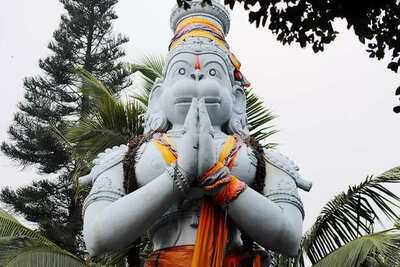 Hanuman bowing with humility
The deeper symbolism of Panchmukhi Hanuman is not only about physical directions. It is also about the different kinds of struggles people face in life.
The Hanuman face protects courage and faith.
The Narasimha face protects against fear and emotional weakness.
The Garuda face protects from toxic influences and harmful energies.
The Varaha face protects health, stability, and financial balance.
The Hayagriva face protects the mind from confusion and lack of clarity.
This is one reason why Panchmukhi Hanuman is especially worshipped by people going through uncertain phases in life. They feel they do not just need strength in one area. They need complete protection, emotionally, mentally, spiritually, and physically.
4. The Five Directions Symbolize Complete AwarenessIn Hindu symbolism, directions are not only geographical. They also represent states of life.
East is associated with sunrise, beginnings, and hope.
South is associated with death, fear, and the unknown.
West is linked with endings, darkness, and hidden truths.
North represents growth, wealth, and spiritual ascent.
The upward direction represents higher consciousness and divine guidance.
Panchmukhi Hanuman looking in all these directions means one thing: nothing escapes divine awareness. No fear is ignored. No pain goes unnoticed. No danger is too hidden.
This form teaches devotees to remain alert, balanced, and spiritually aware in every situation. Just as Hanuman did not only look ahead but in every direction, human beings too must protect their mind, relationships, values, and future from all sides.
5. Why Panchmukhi Hanuman Is Kept At Home EntrancesMany families place Panchmukhi Hanuman idols or images near the entrance of their home, office, or temple. This is because the form is believed to block negative energy and guard the space from harmful influences.
Traditional beliefs often associate Panchmukhi Hanuman with protection from jealousy, evil eye, black magic, bad dreams, and unseen disturbances. While these ideas are spiritual in nature, they reflect a larger human need. People want to feel that their home is safe, peaceful, and protected.
The five faced form creates a sense that no negative force can enter unnoticed because every direction is already being watched.
6. Panchmukhi Hanuman Represents More Than Fearlessness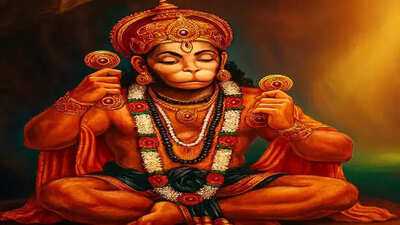
Most people see Hanuman as the god of strength, but Panchmukhi Hanuman shows that true strength is not only physical. Real strength means being able to protect yourself from anger, ego, fear, temptation, negativity, confusion, and weakness.
The five faces remind devotees that one type of strength is not enough in life. A person may be brave but not wise. Wealthy but not peaceful. Intelligent but not emotionally strong. Panchmukhi Hanuman combines all these qualities into one form.
That is why this form feels so complete. It is not only about fighting enemies outside. It is also about overcoming the enemies within.
There are some forms of Hanuman that inspire devotion. There are some that inspire strength. And then there is Panchmukhi Hanuman, a form so powerful that devotees believe it watches over every direction at once.
Unlike the familiar image of Hanuman carrying the Sanjeevani mountain or sitting in deep devotion before Ram, Panchmukhi Hanuman appears fierce, alert, and all seeing. Five faces, five energies, and protection from all sides. For many devotees, this form is not just about mythology. It is about feeling guarded in a world full of uncertainty, fear, jealousy, negative influences, and unseen struggles.
The idea behind Panchmukhi Hanuman is deeply symbolic. It says that danger does not always come from one place. Fear can come from the past, the future, people around us, our own thoughts, or the unknown. Panchmukhi Hanuman represents the strength to protect oneself from all of it.
1. The Story Began During Hanuman’s Battle With Mahiravana
The origin of Panchmukhi Hanuman is linked to a lesser known Ramayana tradition involving Mahiravana or Ahiravana, a powerful ruler of Patal Lok. According to the story, Mahiravana kidnapped Ram and Lakshman and took them underground to sacrifice them.
Hanuman reached Patal Lok to rescue them, but there was a problem. Mahiravana could only be defeated if five lamps placed in five different directions were extinguished at the exact same moment. A single face and a single pair of eyes would not have been enough.
To defeat him, Hanuman took the Panchmukhi form with five faces looking in different directions simultaneously. With this form, he blew out all five lamps at once and defeated Mahiravana. This is why Panchmukhi Hanuman is often seen as a protector from all directions and all hidden dangers.
2. Each Face Represents A DirectionPanchmukhi Hanuman is not simply Hanuman with multiple heads. Each face represents a different divine force and faces a specific direction.
The east facing Hanuman face represents courage, devotion, purity, and success.
The south facing Narasimha face represents fearlessness and protection from evil forces.
The west facing Garuda face represents freedom from poison, negativity, and hidden enemies.
The north facing Varaha face represents stability, health, prosperity, and grounding.
The upward facing Hayagriva face represents wisdom, knowledge, and spiritual awareness.
Because these five faces look in every direction, devotees believe Panchmukhi Hanuman guards the devotee from every possible side, including dangers that cannot be seen immediately.
3. The Five Faces Also Represent Five Human Needs
The deeper symbolism of Panchmukhi Hanuman is not only about physical directions. It is also about the different kinds of struggles people face in life.
The Hanuman face protects courage and faith.
The Narasimha face protects against fear and emotional weakness.
The Garuda face protects from toxic influences and harmful energies.
The Varaha face protects health, stability, and financial balance.
The Hayagriva face protects the mind from confusion and lack of clarity.
This is one reason why Panchmukhi Hanuman is especially worshipped by people going through uncertain phases in life. They feel they do not just need strength in one area. They need complete protection, emotionally, mentally, spiritually, and physically.
4. The Five Directions Symbolize Complete AwarenessIn Hindu symbolism, directions are not only geographical. They also represent states of life.
East is associated with sunrise, beginnings, and hope.
South is associated with death, fear, and the unknown.
West is linked with endings, darkness, and hidden truths.
North represents growth, wealth, and spiritual ascent.
The upward direction represents higher consciousness and divine guidance.
Panchmukhi Hanuman looking in all these directions means one thing: nothing escapes divine awareness. No fear is ignored. No pain goes unnoticed. No danger is too hidden.
This form teaches devotees to remain alert, balanced, and spiritually aware in every situation. Just as Hanuman did not only look ahead but in every direction, human beings too must protect their mind, relationships, values, and future from all sides.
5. Why Panchmukhi Hanuman Is Kept At Home EntrancesMany families place Panchmukhi Hanuman idols or images near the entrance of their home, office, or temple. This is because the form is believed to block negative energy and guard the space from harmful influences.
Traditional beliefs often associate Panchmukhi Hanuman with protection from jealousy, evil eye, black magic, bad dreams, and unseen disturbances. While these ideas are spiritual in nature, they reflect a larger human need. People want to feel that their home is safe, peaceful, and protected.
The five faced form creates a sense that no negative force can enter unnoticed because every direction is already being watched.
6. Panchmukhi Hanuman Represents More Than Fearlessness
Most people see Hanuman as the god of strength, but Panchmukhi Hanuman shows that true strength is not only physical. Real strength means being able to protect yourself from anger, ego, fear, temptation, negativity, confusion, and weakness.
The five faces remind devotees that one type of strength is not enough in life. A person may be brave but not wise. Wealthy but not peaceful. Intelligent but not emotionally strong. Panchmukhi Hanuman combines all these qualities into one form.
That is why this form feels so complete. It is not only about fighting enemies outside. It is also about overcoming the enemies within.
Next Story