
Why Pen Caps Have Holes And The Surprising Safety Reason Behind Them

Most people use pens every day without giving much thought to the small details in their design. One such feature is the tiny hole found at the top of many pen caps. At first glance, it may seem decorative or purely aesthetic, but it actually serves an important practical purpose. From improving pen performance to supporting user safety, this simple design choice has become a standard feature in many modern pens. Understanding why pen caps have holes offers a fascinating look into how everyday objects are often engineered with both functionality and human safety in mind.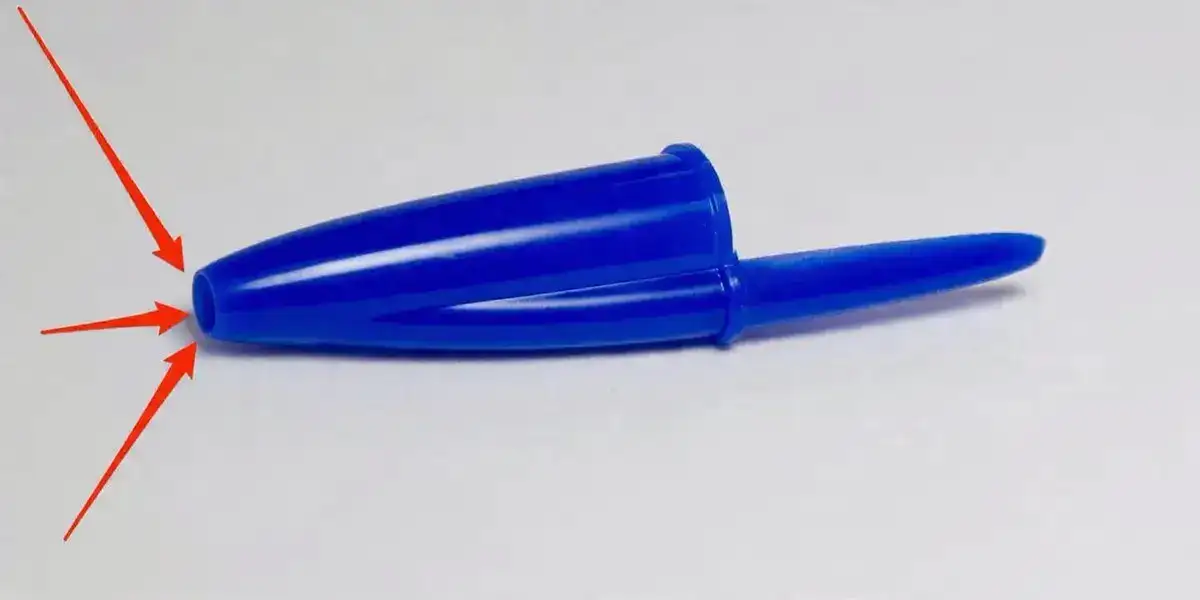
This does not make it completely safe, but it can provide a critical breathing passage and reduce the chances of total airway blockage. Because of this, many stationery manufacturers follow safety-focused pen design standards that include vented caps.
This small opening has helped make pens safer, especially in schools and homes where children may put objects in their mouths.
The tiny hole helps equalise this pressure, which can improve the ease of removing the cap and prevent sudden bursts of trapped air. This contributes to smoother daily use and supports better overall pen design safety .
This controlled airflow can prevent excess moisture build-up and help preserve the ink’s consistency. While the cap still seals the nib, the small hole supports stable pressure, which can indirectly help the pen write smoothly when reopened.
This is especially useful in ballpoint and gel pens used in changing temperatures.
It is small enough to go unnoticed, yet it combines user safety, functionality and product longevity. Many people assume it is only there for appearance, but it is actually one of the most thoughtful features in common stationery.
However, in many school and office pens, the hole remains one of the most common child safety design features because of its proven practical value.
The tiny hole in a pen cap may be easy to ignore, but it reflects intelligent product engineering at its best. By helping reduce choking hazards, balancing air pressure and supporting ink performance, it turns a simple stationery item into a safer and smarter everyday tool. Sometimes the smallest design details carry the biggest purpose, and pen cap holes are a perfect example of that.
Image Courtesy: Meta AI
The Main Reason Is Safety
The most important reason many pen caps have holes is to reduce choking risk. If a small child or even an adult accidentally swallows a pen cap, the hole may allow a limited amount of air to pass through.This does not make it completely safe, but it can provide a critical breathing passage and reduce the chances of total airway blockage. Because of this, many stationery manufacturers follow safety-focused pen design standards that include vented caps.
This small opening has helped make pens safer, especially in schools and homes where children may put objects in their mouths.
It Also Helps Balance Air Pressure
Another practical reason for pen cap holes is air pressure regulation. When a capped pen is opened and closed repeatedly, pressure can build up inside.The tiny hole helps equalise this pressure, which can improve the ease of removing the cap and prevent sudden bursts of trapped air. This contributes to smoother daily use and supports better overall pen design safety .
Better Ink Protection And Flow
In some pen models, the cap hole also helps maintain a balanced internal environment around the nib.This controlled airflow can prevent excess moisture build-up and help preserve the ink’s consistency. While the cap still seals the nib, the small hole supports stable pressure, which can indirectly help the pen write smoothly when reopened.
This is especially useful in ballpoint and gel pens used in changing temperatures.
A Great Example Of Smart Everyday Design
The hole in a pen cap is a classic example of how everyday object design often solves multiple problems with one simple feature.It is small enough to go unnoticed, yet it combines user safety, functionality and product longevity. Many people assume it is only there for appearance, but it is actually one of the most thoughtful features in common stationery.
Why Not Every Pen Cap Has One
Not all pens use the same cap design. Retractable pens, marker caps and certain premium writing instruments may use different safety systems.However, in many school and office pens, the hole remains one of the most common child safety design features because of its proven practical value.
The tiny hole in a pen cap may be easy to ignore, but it reflects intelligent product engineering at its best. By helping reduce choking hazards, balancing air pressure and supporting ink performance, it turns a simple stationery item into a safer and smarter everyday tool. Sometimes the smallest design details carry the biggest purpose, and pen cap holes are a perfect example of that.
Image Courtesy: Meta AI
Next Story