
Why Is Philately Called the King of Hobbies? Explore the Interesting Reason Behind It

What is Philately : Philately is the study and collection of postage stamps and related postal materials. Unlike casual stamp collecting, philately involves understanding the historical, cultural, and artistic significance behind each stamp. From rare vintage issues to modern commemorative stamps, collectors explore a wide range of themes and stories.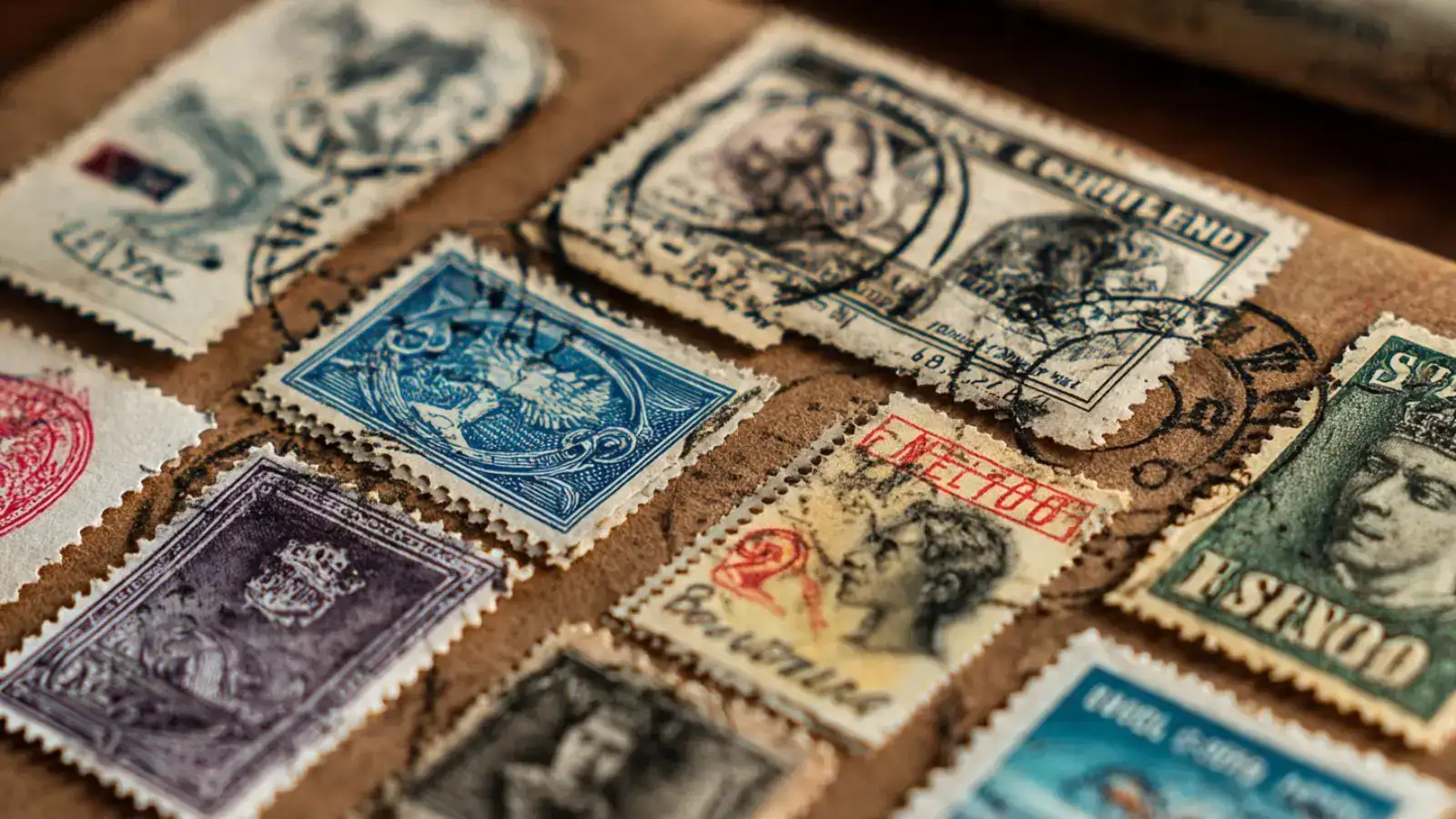
The hobby dates back to the mid-19th century, soon after the introduction of the first adhesive postage stamp, the Penny Black in the United Kingdom. This marked the beginning of a global fascination with stamps.
Why Is It Called the King of Hobbies?
Philately earned the title “King of Hobbies” because of its intellectual depth and universal appeal. It is not limited by age, language, or geography. Collectors can learn about different countries, historical events, famous personalities, and cultural traditions through stamps.
Stamps often commemorate important moments such as independence days, scientific achievements, and global events. As a result, philately becomes both a hobby and a learning experience, making it more enriching than many other leisure activities.
A Window into History and Culture
Each stamp tells a story. For example, stamps may feature national leaders, monuments, wildlife, or significant milestones. By studying them, collectors gain insights into the heritage and identity of different nations.
Philately also preserves history. Rare stamps can reflect political changes, colonial influences, and economic developments. This makes the hobby particularly valuable for historians and researchers.
The Educational and Cognitive Benefits
Philately enhances knowledge and sharpens observational skills. It encourages attention to detail, patience, and organization. Collectors often classify stamps based on themes, countries, or time periods, which helps develop analytical thinking.
For students, it can be an engaging way to learn geography and history outside the classroom. It also promotes curiosity, as collectors often research the background of the stamps they acquire.
A Hobby with Global Reach
One of the biggest strengths of philately is its global community. Collectors from different countries connect through exhibitions, clubs, and online platforms. International stamp exhibitions and competitions celebrate rare collections and promote cultural exchange.
Organizations like the Philatelic Congress of India and the Fédération Internationale de Philatélie play a key role in promoting the hobby worldwide.
Is Philately Still Relevant Today?
In the digital age, traditional hobbies like stamp collecting have faced challenges. However, philately continues to thrive among enthusiasts and collectors. Many postal departments still issue special edition stamps, keeping the tradition alive.
Moreover, rare stamps have become valuable collectibles, sometimes fetching high prices at auctions. This adds an investment aspect to the hobby, attracting serious collectors.
Philately’s combination of education, history, and global connection is what makes it the “King of Hobbies.” It is more than just collecting stamps, it is about exploring the world through miniature pieces of art and history. Even in a fast-paced digital era, this timeless hobby continues to inspire curiosity and learning.
The hobby dates back to the mid-19th century, soon after the introduction of the first adhesive postage stamp, the Penny Black in the United Kingdom. This marked the beginning of a global fascination with stamps.
Why Is It Called the King of Hobbies?
Philately earned the title “King of Hobbies” because of its intellectual depth and universal appeal. It is not limited by age, language, or geography. Collectors can learn about different countries, historical events, famous personalities, and cultural traditions through stamps.
Stamps often commemorate important moments such as independence days, scientific achievements, and global events. As a result, philately becomes both a hobby and a learning experience, making it more enriching than many other leisure activities.
A Window into History and Culture
Each stamp tells a story. For example, stamps may feature national leaders, monuments, wildlife, or significant milestones. By studying them, collectors gain insights into the heritage and identity of different nations.
Philately also preserves history. Rare stamps can reflect political changes, colonial influences, and economic developments. This makes the hobby particularly valuable for historians and researchers.
The Educational and Cognitive Benefits
Philately enhances knowledge and sharpens observational skills. It encourages attention to detail, patience, and organization. Collectors often classify stamps based on themes, countries, or time periods, which helps develop analytical thinking.
For students, it can be an engaging way to learn geography and history outside the classroom. It also promotes curiosity, as collectors often research the background of the stamps they acquire.
A Hobby with Global Reach
One of the biggest strengths of philately is its global community. Collectors from different countries connect through exhibitions, clubs, and online platforms. International stamp exhibitions and competitions celebrate rare collections and promote cultural exchange.
Organizations like the Philatelic Congress of India and the Fédération Internationale de Philatélie play a key role in promoting the hobby worldwide.
Is Philately Still Relevant Today?
In the digital age, traditional hobbies like stamp collecting have faced challenges. However, philately continues to thrive among enthusiasts and collectors. Many postal departments still issue special edition stamps, keeping the tradition alive.
Moreover, rare stamps have become valuable collectibles, sometimes fetching high prices at auctions. This adds an investment aspect to the hobby, attracting serious collectors.
Philately’s combination of education, history, and global connection is what makes it the “King of Hobbies.” It is more than just collecting stamps, it is about exploring the world through miniature pieces of art and history. Even in a fast-paced digital era, this timeless hobby continues to inspire curiosity and learning.
Next Story