
Why Planes Dim Cabin Lights For Takeoff And Landing?

If you’ve ever wondered why the cabin lights on your flight are dimmed as the plane prepares for takeoff and landing , it’s not just for ambiance. This practice serves a crucial safety function.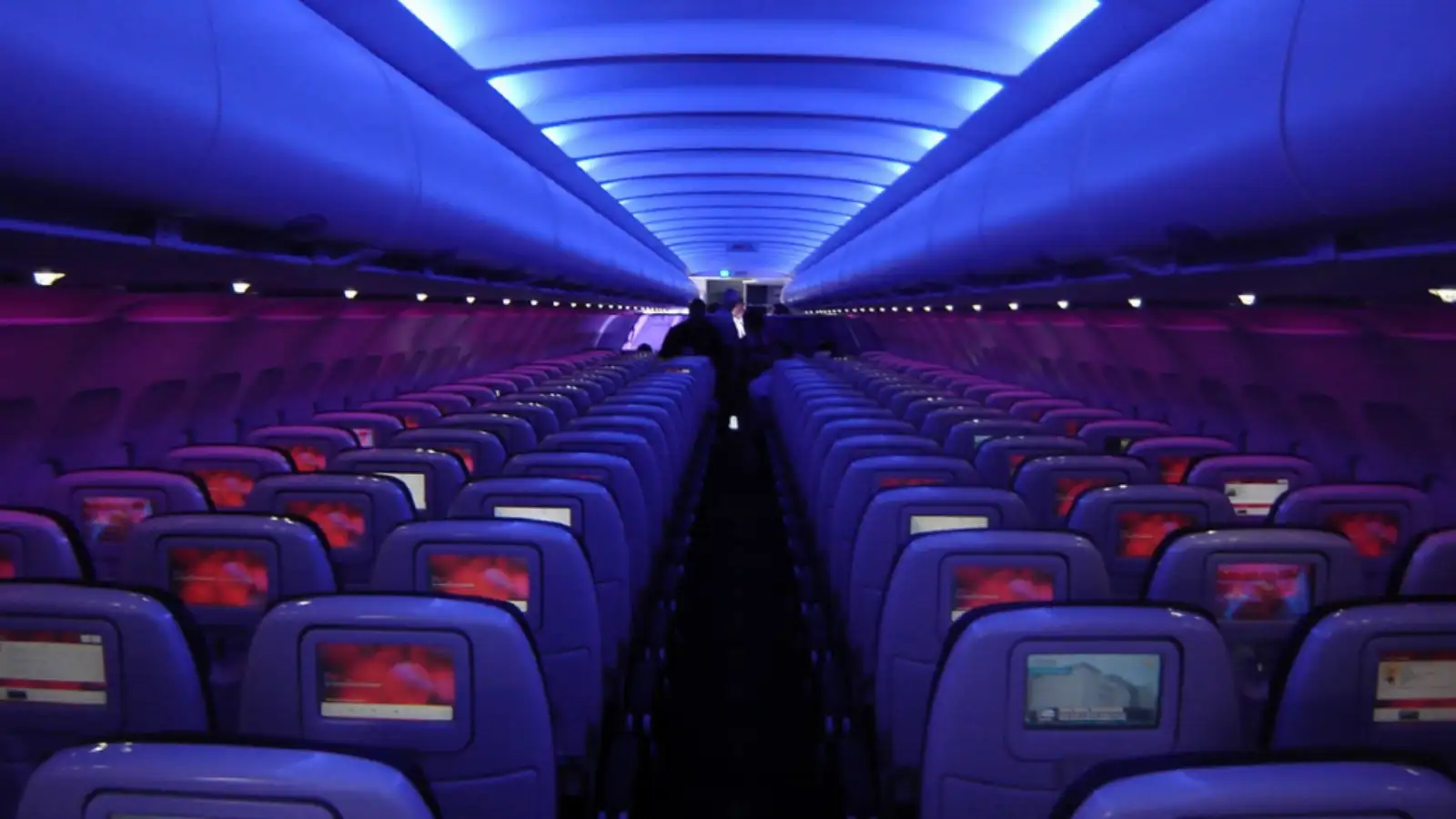
Enhancing Safety Through Light Adjustment
Dimming the cabin lights is primarily a safety measure. When lights are lowered, passengers' eyes begin to adjust to darker conditions. This adaptation is vital because, in an emergency, it allows for quicker evacuation. According to research, it can take between ten to thirty minutes for our eyes to fully adjust to low light. By preemptively dimming the lights, passengers are better prepared to navigate their surroundings swiftly if an evacuation becomes necessary.
Improved Visibility of Emergency Features
In dim lighting, emergency features like illuminated exit signs and pathways become more prominent. This visibility helps guide passengers to safety more effectively. Whether it’s a nighttime flight or an unexpected emergency, every second counts. The dimming process ensures that passengers can quickly locate and follow emergency procedures without delay.
Why Ashtrays Remain on Modern Planes
You might also notice that planes are equipped with ashtrays despite smoking being banned on flights. This seemingly odd feature is there for a reason: to enhance situational awareness. Just as with light dimming, ashtrays and window shades provide flight attendants with a clearer view of external conditions. This visibility can be crucial for safety, aiding both the crew and passengers in maintaining comfort and readiness during critical flight phases.
In summary, the dimming of cabin lights and the presence of ashtrays are both thoughtful measures designed to improve safety and situational awareness. They play a significant role in ensuring a smooth and secure flying experience.
You may also like
- The Importance of Gond Laddus for Postpartum Health
- Deepika Padukone pulled out of Paris Fashion Week at the last minute; here's what happened
- The Surprising Benefits of Garlic Peels for Health and Beauty
- 4 Countries Where Hanuman Has a Different Name
- Why Fridays Are the Most Powerful Day to Worship Goddesses
Enhancing Safety Through Light Adjustment
Dimming the cabin lights is primarily a safety measure. When lights are lowered, passengers' eyes begin to adjust to darker conditions. This adaptation is vital because, in an emergency, it allows for quicker evacuation. According to research, it can take between ten to thirty minutes for our eyes to fully adjust to low light. By preemptively dimming the lights, passengers are better prepared to navigate their surroundings swiftly if an evacuation becomes necessary.
Improved Visibility of Emergency Features
In dim lighting, emergency features like illuminated exit signs and pathways become more prominent. This visibility helps guide passengers to safety more effectively. Whether it’s a nighttime flight or an unexpected emergency, every second counts. The dimming process ensures that passengers can quickly locate and follow emergency procedures without delay.
Why Ashtrays Remain on Modern Planes
You might also notice that planes are equipped with ashtrays despite smoking being banned on flights. This seemingly odd feature is there for a reason: to enhance situational awareness. Just as with light dimming, ashtrays and window shades provide flight attendants with a clearer view of external conditions. This visibility can be crucial for safety, aiding both the crew and passengers in maintaining comfort and readiness during critical flight phases.
In summary, the dimming of cabin lights and the presence of ashtrays are both thoughtful measures designed to improve safety and situational awareness. They play a significant role in ensuring a smooth and secure flying experience.






More from our partners


Loving Newspoint? Download the app now
