
Why Ravana Was One of Lord Shiva's Greatest Devotees


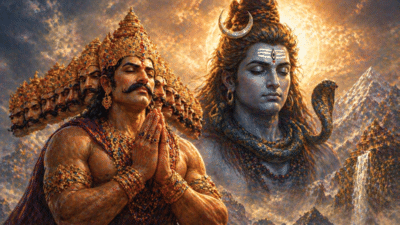
There are few characters in Hindu mythology as complex, misunderstood, and deeply fascinating as Ravana. For generations, he has been remembered as the powerful antagonist of the Ramayana, the ten-headed king whose actions led to his downfall. Yet beyond the image of a villain lies a truth that continues to surprise many. Ravana was not just a king, not just a scholar, and not just a warrior. He was also one of the most intense and extraordinary devotees of Lord Shiva, a fact that adds layers of depth to his story and forces us to look at him beyond simple definitions. What makes this idea so compelling is the contradiction it creates. How can someone capable of great adharma also be capable of profound devotion? The answer lies not in contradiction, but in the complexity of human and divine nature that Hindu philosophy has always embraced.
A Devotion Forged in Extremes
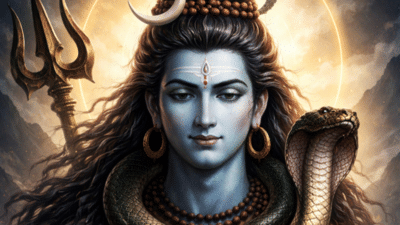
Ravana’s devotion to Lord Shiva was not ordinary, nor was it symbolic. It was intense, relentless, and rooted in extreme tapasya. Ancient narratives describe how Ravana performed severe penance to please Shiva, going to the extent of sacrificing his own heads one by one as an offering. Moved by this unimaginable dedication, Shiva is believed to have restored him and granted him immense power and blessings, elevating him to a level that very few beings could reach.
This was not devotion performed for appearance or ritual. It was devotion that pushed the limits of endurance, reflecting a mind that was completely absorbed in the divine, even if not free from its own ambitions.
The Composer of Shiva’s Cosmic Praise
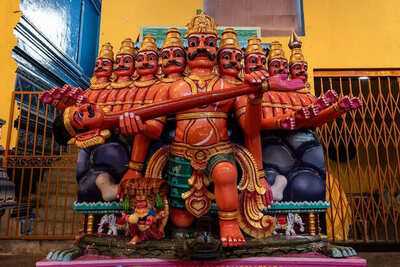
Ravana’s connection to Shiva is also remembered through one of the most powerful hymns in Hindu tradition, the
. According to widely accepted traditions, this composition is said to have emerged from Ravana himself during a moment of intense surrender, when he was trapped beneath Mount Kailash after attempting to lift it. Instead of reacting with anger or defeat, Ravana turned inward and began singing praises of Shiva with such depth and rhythm that it is believed to have resonated across realms.
The hymn remains a symbol of devotion, energy, and spiritual intensity, and its association with Ravana continues to reinforce the idea that his connection to Shiva was not superficial, but deeply rooted in both knowledge and experience.
A Scholar, Not Just a King
What often gets overlooked is that Ravana was one of the most learned figures in Hindu mythology. He was well-versed in the Vedas, the shastras, music, and various branches of knowledge, making him not just powerful, but intellectually profound. His devotion to Shiva was therefore not blind. It was informed, conscious, and deeply philosophical. He understood the nature of the divine, the power of tapasya, and the significance of surrender, even if his life later revealed the consequences of imbalance.
The Kailash Moment That Defined His Devotion
One of the most iconic stories associated with Ravana and Shiva is his attempt to lift Mount Kailash, the abode of Shiva. Driven by strength and pride, Ravana sought to demonstrate his power, but Shiva responded not with anger, but with a simple act, pressing the mountain down with his toe and trapping Ravana beneath it.
What followed is what defines Ravana’s devotion. Instead of resisting endlessly, he turned his suffering into surrender, singing in praise of Shiva until the god himself was pleased and released him. This moment captures the duality of Ravana’s nature. Pride led him into the situation, but devotion emerged from within it.
Why Shiva Blessed Ravana
In many traditions, Lord Shiva is known as a deity who responds to devotion with remarkable openness. He is often described as one who does not judge based on status, identity, or past actions, but responds to sincerity, intensity, and dedication.
Ravana’s devotion, despite its complexities, was undeniable. His tapasya, his knowledge, and his ability to focus his entire being toward Shiva made him worthy of receiving blessings. These blessings granted him immense strength, protection, and capabilities that made him nearly invincible. But this is where the story becomes deeper. Shiva grants power, but he does not control how it is used.
The Paradox That Defines Ravana
Ravana’s life presents one of the most powerful spiritual paradoxes. He was a great devotee, yet he fell. He possessed knowledge, yet he misused it. He had divine blessings, yet they could not save him from the consequences of his actions. This is not a contradiction. It is a lesson.
Hindu philosophy does not present its characters as purely good or purely evil. Instead, it shows how qualities coexist, how devotion can exist alongside ego, and how power without balance can lead to destruction. Ravana’s story reminds us that devotion alone is not enough. It must be accompanied by humility, self-awareness, and alignment with dharma.
Why Ravana Is Still Respected in Some Traditions
Even today, Ravana is not seen the same way everywhere. In certain parts of India, he is remembered not just as a villain, but as a scholar, a Brahmin, and a devoted follower of Shiva. This diversity of perspective reflects the richness of Hindu tradition, where characters are not confined to a single identity, but are understood through multiple dimensions.
The Deeper Truth Behind His Devotion
So why is Ravana considered one of Lord Shiva’s greatest devotees? Because his devotion was real, intense, and transformative, even if it was not perfect. He represents a truth that is often difficult to accept, that a person can be deeply spiritual and deeply flawed at the same time. His life shows that devotion can bring immense power, but it cannot replace the need for balance, humility, and righteousness.
Conclusion: More Than a Villain, More Than a Devotee
Ravana’s story is not just about devotion, nor is it just about downfall. It is about the complexity of being, the tension between power and humility, and the fine line between greatness and destruction. His devotion to Lord Shiva was undeniable, powerful enough to move the divine itself. Yet his life also reminds us that true spiritual growth is not just about how intensely one worships, but how deeply one transforms. Because in the end, Ravana was not just one of Shiva’s greatest devotees. He was also one of the greatest reminders of what devotion must become.
Unlock insightful tips and inspiration on personal growth, productivity, and well-being. Stay motivated and updated with the latest at My Life XP.
A Devotion Forged in Extremes
Ravana’s devotion to Lord Shiva was not ordinary, nor was it symbolic. It was intense, relentless, and rooted in extreme tapasya. Ancient narratives describe how Ravana performed severe penance to please Shiva, going to the extent of sacrificing his own heads one by one as an offering. Moved by this unimaginable dedication, Shiva is believed to have restored him and granted him immense power and blessings, elevating him to a level that very few beings could reach.
This was not devotion performed for appearance or ritual. It was devotion that pushed the limits of endurance, reflecting a mind that was completely absorbed in the divine, even if not free from its own ambitions.
The Composer of Shiva’s Cosmic Praise
Ravana’s connection to Shiva is also remembered through one of the most powerful hymns in Hindu tradition, the
. According to widely accepted traditions, this composition is said to have emerged from Ravana himself during a moment of intense surrender, when he was trapped beneath Mount Kailash after attempting to lift it. Instead of reacting with anger or defeat, Ravana turned inward and began singing praises of Shiva with such depth and rhythm that it is believed to have resonated across realms.
The hymn remains a symbol of devotion, energy, and spiritual intensity, and its association with Ravana continues to reinforce the idea that his connection to Shiva was not superficial, but deeply rooted in both knowledge and experience.
A Scholar, Not Just a King
What often gets overlooked is that Ravana was one of the most learned figures in Hindu mythology. He was well-versed in the Vedas, the shastras, music, and various branches of knowledge, making him not just powerful, but intellectually profound. His devotion to Shiva was therefore not blind. It was informed, conscious, and deeply philosophical. He understood the nature of the divine, the power of tapasya, and the significance of surrender, even if his life later revealed the consequences of imbalance.
The Kailash Moment That Defined His Devotion
One of the most iconic stories associated with Ravana and Shiva is his attempt to lift Mount Kailash, the abode of Shiva. Driven by strength and pride, Ravana sought to demonstrate his power, but Shiva responded not with anger, but with a simple act, pressing the mountain down with his toe and trapping Ravana beneath it.
What followed is what defines Ravana’s devotion. Instead of resisting endlessly, he turned his suffering into surrender, singing in praise of Shiva until the god himself was pleased and released him. This moment captures the duality of Ravana’s nature. Pride led him into the situation, but devotion emerged from within it.
Why Shiva Blessed Ravana
In many traditions, Lord Shiva is known as a deity who responds to devotion with remarkable openness. He is often described as one who does not judge based on status, identity, or past actions, but responds to sincerity, intensity, and dedication.
Ravana’s devotion, despite its complexities, was undeniable. His tapasya, his knowledge, and his ability to focus his entire being toward Shiva made him worthy of receiving blessings. These blessings granted him immense strength, protection, and capabilities that made him nearly invincible. But this is where the story becomes deeper. Shiva grants power, but he does not control how it is used.
The Paradox That Defines Ravana
Ravana’s life presents one of the most powerful spiritual paradoxes. He was a great devotee, yet he fell. He possessed knowledge, yet he misused it. He had divine blessings, yet they could not save him from the consequences of his actions. This is not a contradiction. It is a lesson.
Hindu philosophy does not present its characters as purely good or purely evil. Instead, it shows how qualities coexist, how devotion can exist alongside ego, and how power without balance can lead to destruction. Ravana’s story reminds us that devotion alone is not enough. It must be accompanied by humility, self-awareness, and alignment with dharma.
Why Ravana Is Still Respected in Some Traditions
Even today, Ravana is not seen the same way everywhere. In certain parts of India, he is remembered not just as a villain, but as a scholar, a Brahmin, and a devoted follower of Shiva. This diversity of perspective reflects the richness of Hindu tradition, where characters are not confined to a single identity, but are understood through multiple dimensions.
The Deeper Truth Behind His Devotion
So why is Ravana considered one of Lord Shiva’s greatest devotees? Because his devotion was real, intense, and transformative, even if it was not perfect. He represents a truth that is often difficult to accept, that a person can be deeply spiritual and deeply flawed at the same time. His life shows that devotion can bring immense power, but it cannot replace the need for balance, humility, and righteousness.
Conclusion: More Than a Villain, More Than a Devotee
Ravana’s story is not just about devotion, nor is it just about downfall. It is about the complexity of being, the tension between power and humility, and the fine line between greatness and destruction. His devotion to Lord Shiva was undeniable, powerful enough to move the divine itself. Yet his life also reminds us that true spiritual growth is not just about how intensely one worships, but how deeply one transforms. Because in the end, Ravana was not just one of Shiva’s greatest devotees. He was also one of the greatest reminders of what devotion must become.
Unlock insightful tips and inspiration on personal growth, productivity, and well-being. Stay motivated and updated with the latest at My Life XP.
Next Story