
Why Rhino Skin Is Thick And Tough But Still Sensitive A Clear Science-Based Explanation

Rhinos are among the most powerful land mammals, and their appearance often leads to the assumption that they are covered in natural armour. One of the most frequently asked questions about them is why rhinos have thick skin . While their skin does appear extremely tough and rugged, scientific understanding shows that it is not armour in the literal sense. Instead, it is a specialised biological adaptation shaped by evolution to help them survive in challenging environments.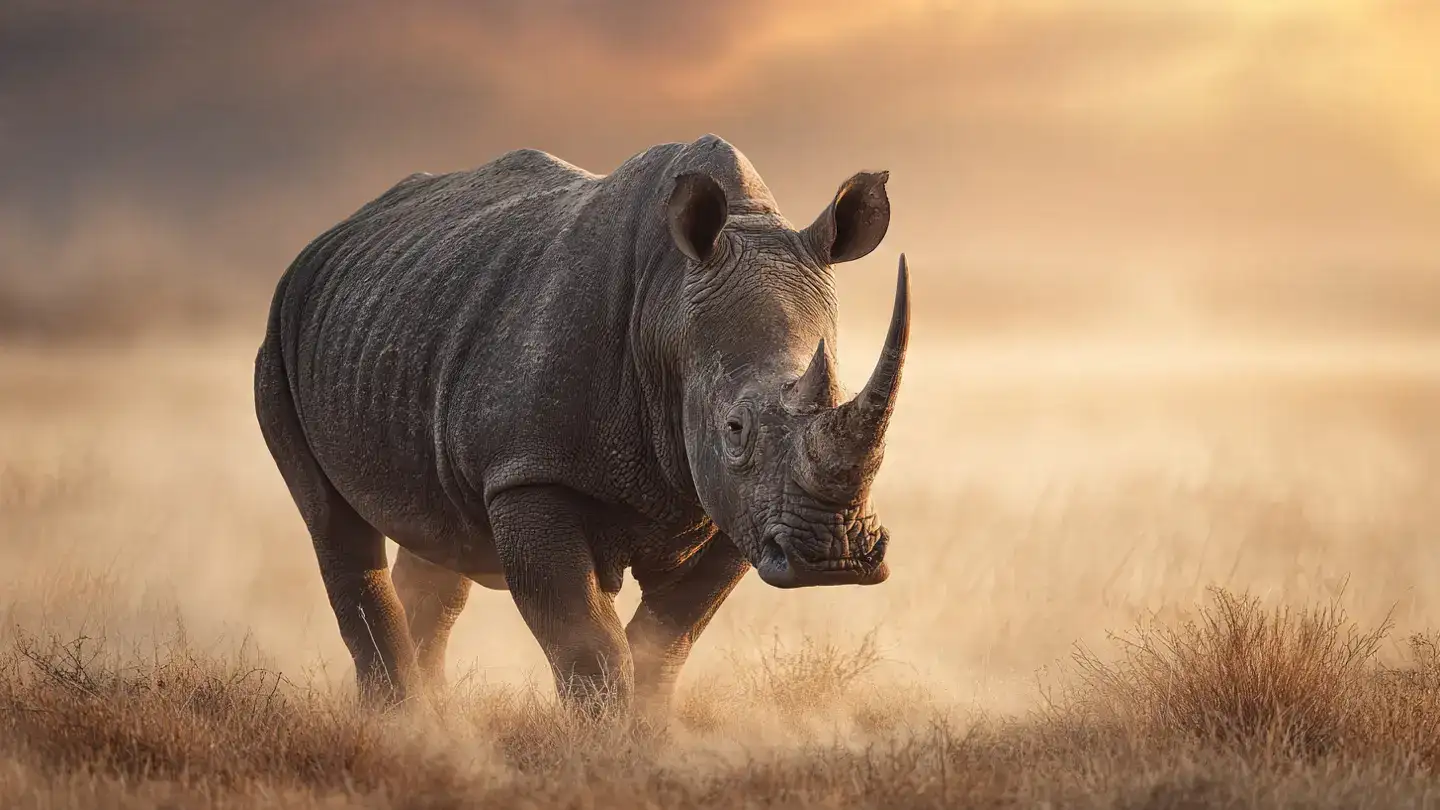
The structure and function of rhino skin are closely linked to their habitat, behaviour and physical needs. It provides support, protection from environmental wear and helps regulate certain bodily conditions, but it does not make them immune to injury or pain.
Despite its thickness, rhino skin remains sensitive. It contains nerve endings that allow rhinos to feel touch, irritation and even insect bites. This means the idea of rhinos having completely “armoured” skin is a misconception. Their skin is tough, but not insensitive.
This structure reflects a balance between durability and flexibility, allowing rhinos to move effectively while still having a level of protection.
Without thick skin, constant movement through such terrain would lead to frequent cuts, scratches and abrasions. The thickness of their skin reduces the impact of these physical interactions, acting as a natural protective layer against minor injuries.
This is not about defence from predators, but rather day-to-day survival in rough landscapes where constant movement is required for feeding and migration.
However, rhinos still depend heavily on behavioural adaptations for cooling, such as wallowing in mud or water. The mud layer that forms on their skin helps protect against sun exposure and also reduces irritation from insects.
In this way, their skin works alongside environmental behaviour rather than replacing it. It is part of a larger survival system rather than a standalone defence mechanism.
Instead, it is flexible and structured to allow movement. If it were rigid like armour, it would restrict mobility, which would be a disadvantage for such large animals that need to walk long distances to find food and water.
This flexibility shows that rhino skin is a biological adaptation rather than a defensive shield.
This is why rhinos are often seen rolling in mud or dust. These behaviours help protect their skin from insects and sun exposure, rather than relying solely on thickness for protection.
However, evolution rarely produces perfect solutions. Instead, it creates practical ones. Rhino skin is a clear example of this principle, combining protection, flexibility and sensitivity in a balanced way.
Rhino skin is not a symbol of invincibility but a carefully balanced biological feature shaped by environmental needs. It protects against physical wear, supports temperature regulation and allows flexibility, all while remaining sensitive enough for normal biological function.
Understanding why rhinos have thick skin helps replace myths with accurate science, showing how nature designs survival tools that are practical rather than perfect.
Image Courtesy: Meta AI
The structure and function of rhino skin are closely linked to their habitat, behaviour and physical needs. It provides support, protection from environmental wear and helps regulate certain bodily conditions, but it does not make them immune to injury or pain.
The True Structure Of Rhino Skin
Rhino skin is significantly thicker than that of many other mammals, in some areas reaching several centimetres in depth. However, it is important to understand that it is not a single hard layer. It is made up of multiple layers of living tissue, including an outer protective layer that is denser than that of many animals.Despite its thickness, rhino skin remains sensitive. It contains nerve endings that allow rhinos to feel touch, irritation and even insect bites. This means the idea of rhinos having completely “armoured” skin is a misconception. Their skin is tough, but not insensitive.
This structure reflects a balance between durability and flexibility, allowing rhinos to move effectively while still having a level of protection.
Protection From Physical Environment
One of the key reasons rhinos have thick skin is protection from their environment. Rhinos typically inhabit grasslands, savannahs and forested areas where they frequently move through tall grass, shrubs and thorny vegetation.Without thick skin, constant movement through such terrain would lead to frequent cuts, scratches and abrasions. The thickness of their skin reduces the impact of these physical interactions, acting as a natural protective layer against minor injuries.
This is not about defence from predators, but rather day-to-day survival in rough landscapes where constant movement is required for feeding and migration.
Role In Temperature Regulation And Moisture Retention
Rhino skin also plays an important role in helping the animal adapt to temperature changes. Thick skin reduces the rate of water loss from the body, which is especially useful in hot climates where rhinos often live.However, rhinos still depend heavily on behavioural adaptations for cooling, such as wallowing in mud or water. The mud layer that forms on their skin helps protect against sun exposure and also reduces irritation from insects.
In this way, their skin works alongside environmental behaviour rather than replacing it. It is part of a larger survival system rather than a standalone defence mechanism.
Why It Is Not True Armour
A common misunderstanding is that rhino skin functions like armour against predators. In reality, adult rhinos have very few natural predators due to their large size and strength. Their skin is not designed for combat protection.Instead, it is flexible and structured to allow movement. If it were rigid like armour, it would restrict mobility, which would be a disadvantage for such large animals that need to walk long distances to find food and water.
This flexibility shows that rhino skin is a biological adaptation rather than a defensive shield.
You may also like
- 9 reasons why every home should have a Snake plant and how to care for it
- Is the Bank Open Today? Are Banks Open This Saturday? Check Whether Banks in Your City Are Closed on April 25..
- Refreshing Traditional Summer Drinks to Beat the Heat
- The Surprising Health Benefits of Banana Plants
- "Your job is not always going to....": The Oprah Winfrey quote that will change how you show up at work
Sensitivity Despite Thickness
Even though rhino skin looks extremely tough, it is surprisingly sensitive. Rhinos can feel insects, scratches and physical contact through their skin. This sensitivity is important for survival, as it helps them respond to irritations such as parasites.This is why rhinos are often seen rolling in mud or dust. These behaviours help protect their skin from insects and sun exposure, rather than relying solely on thickness for protection.
Evolutionary Adaptation For Survival
The development of thick skin in rhinos is the result of long-term evolutionary adaptation. Over time, individuals with slightly thicker, more resilient skin would have been better able to survive in harsh environments, leading to the gradual development of this trait across species.However, evolution rarely produces perfect solutions. Instead, it creates practical ones. Rhino skin is a clear example of this principle, combining protection, flexibility and sensitivity in a balanced way.
Rhino skin is not a symbol of invincibility but a carefully balanced biological feature shaped by environmental needs. It protects against physical wear, supports temperature regulation and allows flexibility, all while remaining sensitive enough for normal biological function.
Understanding why rhinos have thick skin helps replace myths with accurate science, showing how nature designs survival tools that are practical rather than perfect.
Image Courtesy: Meta AI






More from our partners


Loving Newspoint? Download the app now
