
Why Should You Include Spring Onions in Your Diet?

Spring onions, also known as green onions or scallions, are a versatile and nutritious vegetable that can easily be incorporated into a variety of dishes. With their mild, slightly sweet flavor, spring onions can enhance the taste and nutritional value of everything from salads to soups, stir-fries, and even sandwiches. But beyond their flavor, spring onions pack a range of health benefits that make them an excellent addition to any diet. Here’s why you should consider adding them to your daily meals.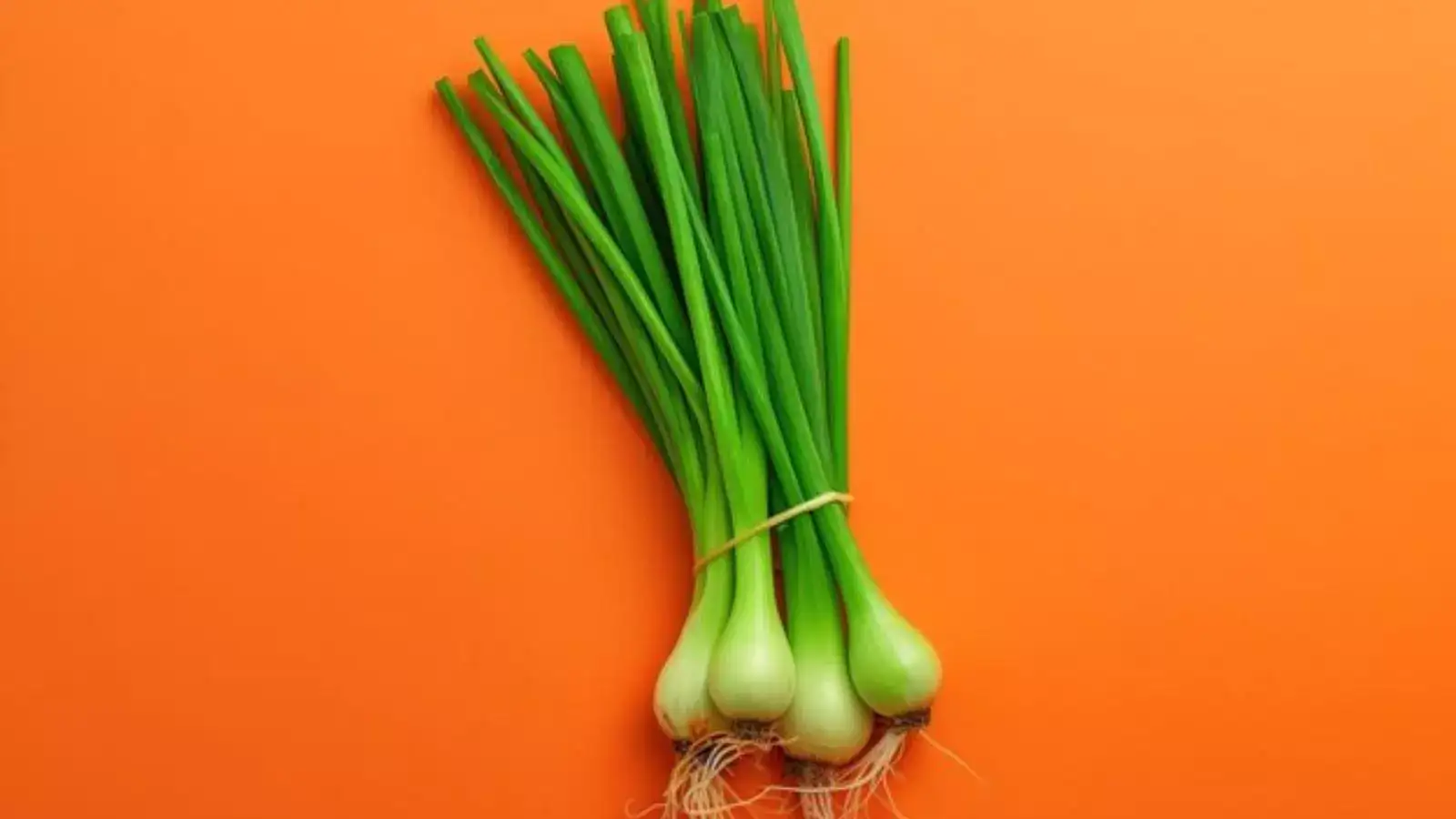
Rich in Nutrients
Spring onions are low in calories but high in essential vitamins and minerals. They are a great source of vitamin C, an antioxidant that helps support the immune system, promote healthy skin, and protect against free radical damage. Additionally, spring onions contain vitamin K, which plays a crucial role in bone health and blood clotting.
These onions also contain small amounts of other vitamins such as vitamin A, folate, and various B vitamins, all of which contribute to overall health. The minerals present in spring onions, including calcium, iron, and potassium, are important for maintaining strong bones, proper muscle function, and regulating blood pressure.
Boosts Immune System
As mentioned, spring onions are rich in vitamin C, which is essential for a strong immune system. Regular consumption of vitamin C-rich foods can help fight off infections, reduce the severity of colds, and protect your body from oxidative stress. Furthermore, the sulfur compounds found in spring onions have antimicrobial properties, which can support the body’s ability to ward off harmful bacteria and viruses.
Promotes Digestive Health
Spring onions are an excellent source of fiber, which is vital for maintaining a healthy digestive system. Fiber helps regulate bowel movements, prevent constipation, and promote the growth of beneficial gut bacteria. A healthy gut is crucial for nutrient absorption, immune function, and even mental health, as the gut-brain connection is increasingly recognized by science.
Moreover, spring onions contain prebiotics, which are a type of fiber that supports the growth of beneficial probiotics in the gut. This further enhances digestive health, helping to prevent bloating, gas, and discomfort after meals.
Supports Heart Health
Adding spring onions to your diet may help protect your heart in several ways. The antioxidants and sulfur compounds in spring onions have been shown to help lower cholesterol levels, reduce inflammation, and improve blood circulation. These factors contribute to a reduced risk of heart disease, stroke, and high blood pressure.
Spring onions are also a source of quercetin, a flavonoid that has been shown to have heart-protective properties. Quercetin may help lower blood pressure and reduce the risk of cardiovascular disease by acting as a natural anti-inflammatory and antioxidant.
Helps Maintain Healthy Blood Sugar Levels
The compounds in spring onions may help regulate blood sugar levels, making them a great addition to a diabetic-friendly diet. Spring onions contain sulfur compounds and flavonoids, which can improve insulin sensitivity and help control blood glucose levels. By including spring onions in your meals, you can better manage your blood sugar levels, reduce the risk of type 2 diabetes, and maintain stable energy throughout the day.
Improves Bone Health
The combination of vitamin K, calcium, and other nutrients in spring onions makes them beneficial for bone health. Vitamin K plays an essential role in calcium metabolism, ensuring that calcium is properly utilized for bone mineralization. Regular consumption of spring onions may help reduce the risk of bone-related issues, including osteoporosis.
Rich in Antioxidants
Spring onions contain a range of antioxidants, including flavonoids, phenolic acids, and sulfur compounds, all of which protect the body from oxidative stress. Antioxidants help neutralize free radicals, which can damage cells and contribute to chronic diseases, aging, and even cancer. The antioxidants in spring onions contribute to the overall health of your cells and tissues, promoting longevity and well-being.
Supports Weight Loss
With their low calorie content and high fiber content, spring onions make an excellent addition to a weight loss diet. Fiber helps you feel fuller for longer, reducing overall calorie intake and preventing overeating. Additionally, spring onions’ ability to regulate blood sugar levels can help prevent energy crashes and sugar cravings, making it easier to maintain a healthy weight.
Natural Detoxifier
Spring onions are considered a natural detoxifier due to their high sulfur content, which supports the liver in flushing out toxins from the body. Regular consumption of spring onions can help cleanse the liver and improve overall detoxification, leading to better skin health, reduced bloating, and improved energy levels.
Versatile and Easy to Use
One of the main reasons spring onions are so popular is their versatility. They can be eaten raw, sautéed, grilled, or even pickled. The entire plant is edible, including both the white bulbs and the green stalks. The mild flavor of spring onions makes them a perfect addition to salads, sandwiches, soups, stir-fries, and garnishes.
You can also grow spring onions at home easily, either from seeds or by regrowing them from kitchen scraps. Simply place the white bulb in a cup of water and wait for new shoots to grow. It’s an affordable and sustainable way to enjoy fresh, homegrown spring onions year-round.
Spring onions are more than just a flavorful addition to your meals – they offer a wide range of health benefits that can improve your immune function, digestive health, heart health, and more. With their abundance of nutrients, antioxidants, and versatility, spring onions should definitely have a regular spot in your diet. Whether you enjoy them raw or cooked, incorporating this humble vegetable into your meals can help you achieve better overall health and well-being.
Rich in Nutrients
Spring onions are low in calories but high in essential vitamins and minerals. They are a great source of vitamin C, an antioxidant that helps support the immune system, promote healthy skin, and protect against free radical damage. Additionally, spring onions contain vitamin K, which plays a crucial role in bone health and blood clotting.
These onions also contain small amounts of other vitamins such as vitamin A, folate, and various B vitamins, all of which contribute to overall health. The minerals present in spring onions, including calcium, iron, and potassium, are important for maintaining strong bones, proper muscle function, and regulating blood pressure.
Boosts Immune System
As mentioned, spring onions are rich in vitamin C, which is essential for a strong immune system. Regular consumption of vitamin C-rich foods can help fight off infections, reduce the severity of colds, and protect your body from oxidative stress. Furthermore, the sulfur compounds found in spring onions have antimicrobial properties, which can support the body’s ability to ward off harmful bacteria and viruses.
Promotes Digestive Health
Spring onions are an excellent source of fiber, which is vital for maintaining a healthy digestive system. Fiber helps regulate bowel movements, prevent constipation, and promote the growth of beneficial gut bacteria. A healthy gut is crucial for nutrient absorption, immune function, and even mental health, as the gut-brain connection is increasingly recognized by science.
Moreover, spring onions contain prebiotics, which are a type of fiber that supports the growth of beneficial probiotics in the gut. This further enhances digestive health, helping to prevent bloating, gas, and discomfort after meals.
Supports Heart Health
Adding spring onions to your diet may help protect your heart in several ways. The antioxidants and sulfur compounds in spring onions have been shown to help lower cholesterol levels, reduce inflammation, and improve blood circulation. These factors contribute to a reduced risk of heart disease, stroke, and high blood pressure.
Spring onions are also a source of quercetin, a flavonoid that has been shown to have heart-protective properties. Quercetin may help lower blood pressure and reduce the risk of cardiovascular disease by acting as a natural anti-inflammatory and antioxidant.
Helps Maintain Healthy Blood Sugar Levels
The compounds in spring onions may help regulate blood sugar levels, making them a great addition to a diabetic-friendly diet. Spring onions contain sulfur compounds and flavonoids, which can improve insulin sensitivity and help control blood glucose levels. By including spring onions in your meals, you can better manage your blood sugar levels, reduce the risk of type 2 diabetes, and maintain stable energy throughout the day.
Improves Bone Health
The combination of vitamin K, calcium, and other nutrients in spring onions makes them beneficial for bone health. Vitamin K plays an essential role in calcium metabolism, ensuring that calcium is properly utilized for bone mineralization. Regular consumption of spring onions may help reduce the risk of bone-related issues, including osteoporosis.
Rich in Antioxidants
Spring onions contain a range of antioxidants, including flavonoids, phenolic acids, and sulfur compounds, all of which protect the body from oxidative stress. Antioxidants help neutralize free radicals, which can damage cells and contribute to chronic diseases, aging, and even cancer. The antioxidants in spring onions contribute to the overall health of your cells and tissues, promoting longevity and well-being.
Supports Weight Loss
With their low calorie content and high fiber content, spring onions make an excellent addition to a weight loss diet. Fiber helps you feel fuller for longer, reducing overall calorie intake and preventing overeating. Additionally, spring onions’ ability to regulate blood sugar levels can help prevent energy crashes and sugar cravings, making it easier to maintain a healthy weight.
Natural Detoxifier
Spring onions are considered a natural detoxifier due to their high sulfur content, which supports the liver in flushing out toxins from the body. Regular consumption of spring onions can help cleanse the liver and improve overall detoxification, leading to better skin health, reduced bloating, and improved energy levels.
Versatile and Easy to Use
One of the main reasons spring onions are so popular is their versatility. They can be eaten raw, sautéed, grilled, or even pickled. The entire plant is edible, including both the white bulbs and the green stalks. The mild flavor of spring onions makes them a perfect addition to salads, sandwiches, soups, stir-fries, and garnishes.
You can also grow spring onions at home easily, either from seeds or by regrowing them from kitchen scraps. Simply place the white bulb in a cup of water and wait for new shoots to grow. It’s an affordable and sustainable way to enjoy fresh, homegrown spring onions year-round.
Spring onions are more than just a flavorful addition to your meals – they offer a wide range of health benefits that can improve your immune function, digestive health, heart health, and more. With their abundance of nutrients, antioxidants, and versatility, spring onions should definitely have a regular spot in your diet. Whether you enjoy them raw or cooked, incorporating this humble vegetable into your meals can help you achieve better overall health and well-being.
Next Story