
Why 'Shri' Is Never Used Before Lord Shiva's Name


Have you ever noticed something strange in Hindu traditions? People lovingly say Shri Ram, Shri Krishna, Shri Ganesh, and even Shri Hanuman. But when it comes to Shiva, devotees usually say Mahadev, Bholenath, Shankar, or Shiv Ji not “Shri Shiv.” Most people never question this small detail. Yet hidden behind this tradition is a deep spiritual meaning connected to Goddess Lakshmi, divine energy, and ancient Hindu beliefs. The answer is not random. In fact, it reveals how names in Sanatan Dharma carry symbolism far beyond simple respect.
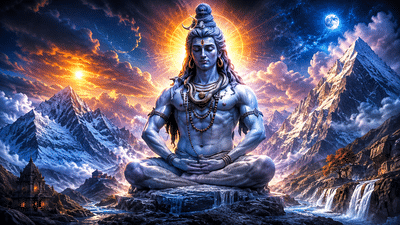
The Real Meaning Of The Word ‘Shri’
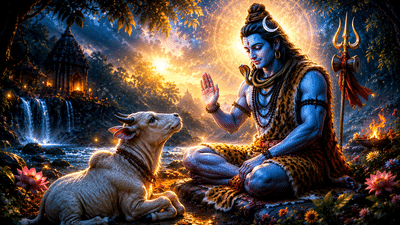
Most people think “Shri” is only a respectful word used before names. But in Hindu belief, Shri is another sacred name of Goddess Lakshmi herself. That is why the word carries divine feminine energy connected to prosperity, beauty, fortune, and blessings. Whenever devotees say Shri Ram or Shri Krishna, they are symbolically remembering both Lord Vishnu and Goddess Lakshmi together. Ancient traditions believed divine couples are spiritually incomplete without each other’s energy. So the word Shri became deeply associated with Vishnu and all his incarnations who descended to Earth alongside Lakshmi in different forms throughout Hindu mythology.
Why Shri Is Used Before Vishnu’s Avatars
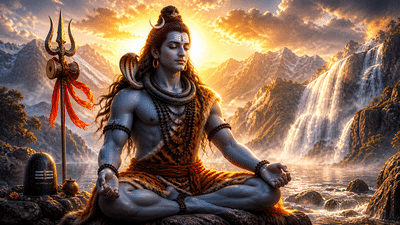
Rama came with Sita. Krishna came with Rukmini. Hindu scriptures describe how Goddess Lakshmi accompanies Lord Vishnu in different forms whenever he takes an avatar. Because of this eternal connection, devotees use “Shri” before the names of Vishnu and his incarnations. It symbolises the presence of Lakshmi alongside them. This is why names like Shri Ram and Shri Krishna became spiritually meaningful in Sanatan Dharma. The word does not simply honour the deity it remembers the divine union of Vishnu and Lakshmi together.
Why Lord Shiva’s Name Is DifferentUnlike Lord Vishnu, Shiva is not connected with Goddess Lakshmi through the concept of “Shri.” His divine counterpart is Parvati, also worshipped as Gauri, Durga, and Shakti. That is why devotees often say Gauri-Shankar instead of Shri Shiv. Shiva represents renunciation, destruction of ego, meditation, and cosmic stillness energies very different from Lakshmi’s symbolism of prosperity and worldly abundance. Hindu traditions therefore developed separate ways of addressing Shiva with reverence. Titles like Mahadev, Neelkanth, Bholenath, and Shankar became more spiritually aligned with his identity than the word Shri.
Then Why Do We Say Shri Hanuman?This is where the mystery becomes even more fascinating. Hanuman is considered an avatar of Lord Shiva, yet devotees still say Shri Hanuman. According to Hindu beliefs, Goddess Sita considered an incarnation of Lakshmi treated Hanuman like her own son because of his unmatched devotion toward Lord Ram. This emotional and spiritual connection linked Hanuman indirectly with Lakshmi’s divine grace. Over time, the respectful title Shri became attached to Hanuman’s name as well. His devotion, purity, humility, and service made him spiritually inseparable from the blessings of Ram and Sita together.
The Story Behind Shri GaneshGanesha also receives the title Shri because of his deep association with Goddess Lakshmi in Hindu traditions. Mythological stories say Lakshmi once felt sadness because she had no children. Seeing this, Goddess Parvati lovingly placed young Ganesh in Lakshmi’s lap. From then onward, Ganesh became spiritually connected with Lakshmi as her adopted son. That is one reason devotees worship Lakshmi and Ganesh together during Diwali. Over time, the word Shri naturally became associated with Ganesh Ji as well, symbolising blessings, prosperity, wisdom, and divine fortune entering the home together.
Unlock insightful tips and inspiration on personal growth, productivity, and well-being. Stay motivated and updated with the latest at My Life XP.
Frequently Asked Questions (FAQs) 1. Why do people say “Shri Ram” but not “Shri Shiv”?
According to Hindu traditions, “Shri” is another name for Lakshmi. Since Goddess Lakshmi is eternally associated with Vishnu and his avatars, devotees use “Shri” before names like Rama and Krishna. Lord Shiva is associated with Goddess Parvati, so different forms of address became popular.
2. What does the word “Shri” actually mean?
In Hindu belief, “Shri” symbolises prosperity, divine grace, beauty, fortune, and the sacred energy of Goddess Lakshmi. It is both a respectful title and a spiritual symbol.
3. Is not saying “Shri Shiv” considered disrespectful?
No. Lord Shiva is worshipped with many powerful names like Mahadev, Bholenath, Neelkanth, and Shankar. The absence of “Shri” does not reduce devotion or respect toward him.
4. Why is “Shri” used before Vishnu’s avatars?
Hindu scriptures describe how Goddess Lakshmi accompanies Lord Vishnu whenever he takes avatars on Earth. That is why names like Shri Ram and Shri Krishna symbolically remember both divine energies together.
5. Why do devotees say “Shri Hanuman” if Hanuman is linked to Shiva?
Hanuman is spiritually connected to Sita, who is considered an incarnation of Lakshmi. Many beliefs describe Hanuman as receiving motherly affection and blessings from Sita, which connects him with the sacred meaning of “Shri.”
The Real Meaning Of The Word ‘Shri’
In Hindu tradition, Shri is linked directly to Goddess Lakshmi.
Most people think “Shri” is only a respectful word used before names. But in Hindu belief, Shri is another sacred name of Goddess Lakshmi herself. That is why the word carries divine feminine energy connected to prosperity, beauty, fortune, and blessings. Whenever devotees say Shri Ram or Shri Krishna, they are symbolically remembering both Lord Vishnu and Goddess Lakshmi together. Ancient traditions believed divine couples are spiritually incomplete without each other’s energy. So the word Shri became deeply associated with Vishnu and all his incarnations who descended to Earth alongside Lakshmi in different forms throughout Hindu mythology.
Why Shri Is Used Before Vishnu’s Avatars
Every Vishnu avatar is believed to arrive with Lakshmi’s presence.
Rama came with Sita. Krishna came with Rukmini. Hindu scriptures describe how Goddess Lakshmi accompanies Lord Vishnu in different forms whenever he takes an avatar. Because of this eternal connection, devotees use “Shri” before the names of Vishnu and his incarnations. It symbolises the presence of Lakshmi alongside them. This is why names like Shri Ram and Shri Krishna became spiritually meaningful in Sanatan Dharma. The word does not simply honour the deity it remembers the divine union of Vishnu and Lakshmi together.
Why Lord Shiva’s Name Is DifferentUnlike Lord Vishnu, Shiva is not connected with Goddess Lakshmi through the concept of “Shri.” His divine counterpart is Parvati, also worshipped as Gauri, Durga, and Shakti. That is why devotees often say Gauri-Shankar instead of Shri Shiv. Shiva represents renunciation, destruction of ego, meditation, and cosmic stillness energies very different from Lakshmi’s symbolism of prosperity and worldly abundance. Hindu traditions therefore developed separate ways of addressing Shiva with reverence. Titles like Mahadev, Neelkanth, Bholenath, and Shankar became more spiritually aligned with his identity than the word Shri.
Then Why Do We Say Shri Hanuman?This is where the mystery becomes even more fascinating. Hanuman is considered an avatar of Lord Shiva, yet devotees still say Shri Hanuman. According to Hindu beliefs, Goddess Sita considered an incarnation of Lakshmi treated Hanuman like her own son because of his unmatched devotion toward Lord Ram. This emotional and spiritual connection linked Hanuman indirectly with Lakshmi’s divine grace. Over time, the respectful title Shri became attached to Hanuman’s name as well. His devotion, purity, humility, and service made him spiritually inseparable from the blessings of Ram and Sita together.
The Story Behind Shri GaneshGanesha also receives the title Shri because of his deep association with Goddess Lakshmi in Hindu traditions. Mythological stories say Lakshmi once felt sadness because she had no children. Seeing this, Goddess Parvati lovingly placed young Ganesh in Lakshmi’s lap. From then onward, Ganesh became spiritually connected with Lakshmi as her adopted son. That is one reason devotees worship Lakshmi and Ganesh together during Diwali. Over time, the word Shri naturally became associated with Ganesh Ji as well, symbolising blessings, prosperity, wisdom, and divine fortune entering the home together.
Unlock insightful tips and inspiration on personal growth, productivity, and well-being. Stay motivated and updated with the latest at My Life XP.
Frequently Asked Questions (FAQs) 1. Why do people say “Shri Ram” but not “Shri Shiv”?
According to Hindu traditions, “Shri” is another name for Lakshmi. Since Goddess Lakshmi is eternally associated with Vishnu and his avatars, devotees use “Shri” before names like Rama and Krishna. Lord Shiva is associated with Goddess Parvati, so different forms of address became popular.
In Hindu belief, “Shri” symbolises prosperity, divine grace, beauty, fortune, and the sacred energy of Goddess Lakshmi. It is both a respectful title and a spiritual symbol.
3. Is not saying “Shri Shiv” considered disrespectful?
No. Lord Shiva is worshipped with many powerful names like Mahadev, Bholenath, Neelkanth, and Shankar. The absence of “Shri” does not reduce devotion or respect toward him.
Hindu scriptures describe how Goddess Lakshmi accompanies Lord Vishnu whenever he takes avatars on Earth. That is why names like Shri Ram and Shri Krishna symbolically remember both divine energies together.
5. Why do devotees say “Shri Hanuman” if Hanuman is linked to Shiva?
Hanuman is spiritually connected to Sita, who is considered an incarnation of Lakshmi. Many beliefs describe Hanuman as receiving motherly affection and blessings from Sita, which connects him with the sacred meaning of “Shri.”
Next Story