
Why Some Deserts Look Green: 5 Fascinating Examples Around the World

When most people think of deserts, they imagine vast stretches of sand, scorching heat and almost no plant life. However, deserts are far more diverse than that common image. Some desert regions receive very little rainfall yet appear surprisingly green due to unique ecosystems, seasonal changes or human innovation.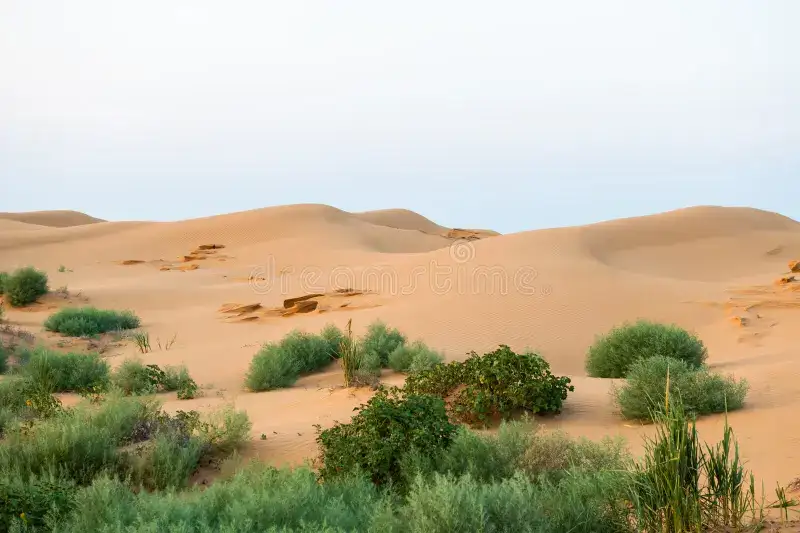
These landscapes still meet the scientific definition of a desert because they receive very limited annual precipitation. But nature has found remarkable ways to adapt. In certain places, vegetation survives through fog moisture, seasonal rainfall, hardy plant species or advanced irrigation systems. As a result, these deserts sometimes look more like grasslands or farmland than dry wastelands.
Here are five desert regions that challenge our expectations and show how life can flourish even in harsh environments.
Thar Desert, India
The Thar Desert, located in northwestern India, has experienced noticeable changes over the past two decades. Studies have found that the region has seen nearly a 38 percent increase in green cover. This transformation is largely linked to improved monsoon rainfall and the expansion of agricultural activity.
Despite its dry climate, parts of the desert now feature patches of farmland, grazing areas and growing settlements. The Thar is also considered one of the most densely populated desert regions in the world, which means human activity plays a significant role in shaping the landscape.
Even with this greener appearance, the region still faces water shortages and harsh summer conditions. The growing vegetation simply highlights how local communities and changing climate patterns are influencing the desert’s ecosystem.
Sahel Region, Africa
Stretching across the African continent just south of the Sahara Desert, the Sahel is a vast semi arid belt that runs from the Atlantic Ocean to the Red Sea. It is technically classified as a dryland region with limited rainfall.
Interestingly, parts of the Sahel have shown signs of increased vegetation in recent years. Scientists suggest that higher carbon dioxide levels in the atmosphere may help plants grow more efficiently, even in water limited environments.
Countries such as Chad and Niger have witnessed seasonal growth of shrubs and grasses, especially during wetter months. This can give the region a greener look for part of the year. However, the Sahel remains vulnerable to droughts, soil degradation and climate variability.
Negev Desert, Israel
The Negev Desert offers one of the clearest examples of how technology can reshape a desert landscape. Although the region receives very little rainfall, large areas now appear green due to advanced agricultural techniques.
Israel has pioneered micro irrigation systems that deliver water directly to plant roots. This method reduces water wastage and allows crops to grow even in extremely dry conditions. As a result, farms, orchards and vineyards have emerged in parts of the desert.
From a distance, sections of the Negev can resemble fertile farmland rather than an arid environment. Yet the region remains a true desert based on its low rainfall and harsh climate.
Oregon High Desert , United States
Located in the northwestern United States, Oregon’s High Desert looks quite different from the sandy deserts many people imagine. The area receives less than 10 inches of rainfall each year, which qualifies it as a desert.
Instead of sand dunes, the landscape is dominated by hardy plants such as sagebrush, juniper trees and bunchgrasses that are well adapted to dry conditions. Seasonal snowfall also helps provide moisture during colder months.
Because of this vegetation, the region often appears green and rugged, especially during spring and early summer. Its appearance may resemble mountainous terrain, but it remains classified as a desert due to its limited precipitation.
Atacama Desert Fog Oases, Chile and Peru
The Atacama Desert is widely regarded as one of the driest places on Earth. In some areas, rainfall is so rare that weather stations have recorded years without measurable precipitation.
Yet along the coastal hills of Chile and Peru, unique ecosystems known as fog oases exist. These green pockets form when dense coastal fog from the Pacific Ocean drifts inland and condenses on vegetation.
The moisture collected from fog provides enough water for plants to survive even in the absence of rainfall. Scientists often describe these lush patches as islands of life surrounded by one of the harshest deserts in the world. Some of these ecosystems flourish only during specific climate cycles.
Deserts can be full of surprises
These landscapes show that deserts are not always barren wastelands. Different environmental factors such as seasonal rainfall, fog moisture, resilient plant species and human innovation can create unexpected greenery even in the driest regions.
From the gradually greening fields of the Thar Desert to the fog nourished ecosystems of the Atacama Desert, these places highlight the remarkable adaptability of nature. They also remind us that deserts come in many forms and can host surprising pockets of life.
These landscapes still meet the scientific definition of a desert because they receive very limited annual precipitation. But nature has found remarkable ways to adapt. In certain places, vegetation survives through fog moisture, seasonal rainfall, hardy plant species or advanced irrigation systems. As a result, these deserts sometimes look more like grasslands or farmland than dry wastelands.
Here are five desert regions that challenge our expectations and show how life can flourish even in harsh environments.
Thar Desert, India
The Thar Desert, located in northwestern India, has experienced noticeable changes over the past two decades. Studies have found that the region has seen nearly a 38 percent increase in green cover. This transformation is largely linked to improved monsoon rainfall and the expansion of agricultural activity. Despite its dry climate, parts of the desert now feature patches of farmland, grazing areas and growing settlements. The Thar is also considered one of the most densely populated desert regions in the world, which means human activity plays a significant role in shaping the landscape.
Even with this greener appearance, the region still faces water shortages and harsh summer conditions. The growing vegetation simply highlights how local communities and changing climate patterns are influencing the desert’s ecosystem.
Sahel Region, Africa
Stretching across the African continent just south of the Sahara Desert, the Sahel is a vast semi arid belt that runs from the Atlantic Ocean to the Red Sea. It is technically classified as a dryland region with limited rainfall. Interestingly, parts of the Sahel have shown signs of increased vegetation in recent years. Scientists suggest that higher carbon dioxide levels in the atmosphere may help plants grow more efficiently, even in water limited environments.
Countries such as Chad and Niger have witnessed seasonal growth of shrubs and grasses, especially during wetter months. This can give the region a greener look for part of the year. However, the Sahel remains vulnerable to droughts, soil degradation and climate variability.
Negev Desert, Israel
The Negev Desert offers one of the clearest examples of how technology can reshape a desert landscape. Although the region receives very little rainfall, large areas now appear green due to advanced agricultural techniques. Israel has pioneered micro irrigation systems that deliver water directly to plant roots. This method reduces water wastage and allows crops to grow even in extremely dry conditions. As a result, farms, orchards and vineyards have emerged in parts of the desert.
From a distance, sections of the Negev can resemble fertile farmland rather than an arid environment. Yet the region remains a true desert based on its low rainfall and harsh climate.
Oregon High Desert , United States
Located in the northwestern United States, Oregon’s High Desert looks quite different from the sandy deserts many people imagine. The area receives less than 10 inches of rainfall each year, which qualifies it as a desert. Instead of sand dunes, the landscape is dominated by hardy plants such as sagebrush, juniper trees and bunchgrasses that are well adapted to dry conditions. Seasonal snowfall also helps provide moisture during colder months.
Because of this vegetation, the region often appears green and rugged, especially during spring and early summer. Its appearance may resemble mountainous terrain, but it remains classified as a desert due to its limited precipitation.
Atacama Desert Fog Oases, Chile and Peru
The Atacama Desert is widely regarded as one of the driest places on Earth. In some areas, rainfall is so rare that weather stations have recorded years without measurable precipitation. Yet along the coastal hills of Chile and Peru, unique ecosystems known as fog oases exist. These green pockets form when dense coastal fog from the Pacific Ocean drifts inland and condenses on vegetation.
The moisture collected from fog provides enough water for plants to survive even in the absence of rainfall. Scientists often describe these lush patches as islands of life surrounded by one of the harshest deserts in the world. Some of these ecosystems flourish only during specific climate cycles.
Deserts can be full of surprises
These landscapes show that deserts are not always barren wastelands. Different environmental factors such as seasonal rainfall, fog moisture, resilient plant species and human innovation can create unexpected greenery even in the driest regions.From the gradually greening fields of the Thar Desert to the fog nourished ecosystems of the Atacama Desert, these places highlight the remarkable adaptability of nature. They also remind us that deserts come in many forms and can host surprising pockets of life.
Next Story