
Why Taking Prasad From These Temples Can Be Risky


In India, temples are not just places of worship they’re centers of energy and ancient wisdom. But did you know that in some temples, taking prasad home is considered inauspicious? Behind these rules lies a fascinating mix of spiritual science, mythology, and energy beliefs. From protecting devotees from negative energies to respecting the deity’s rituals, each temple has a unique reason. Let’s explore five such temples, the shocking logic behind their prasad traditions, and how following them can protect your home and mind.
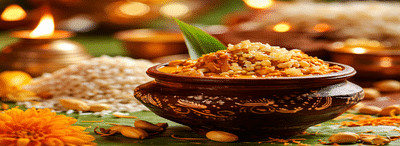
Mehandipur Balaji Temple, Rajasthan
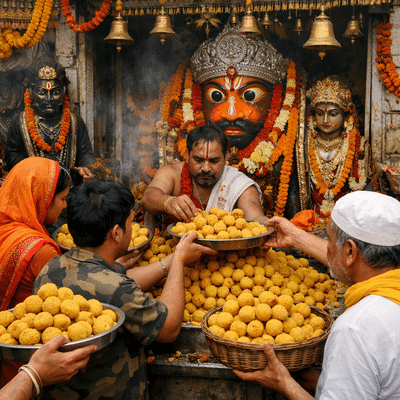
Dedicated to Lord Hanuman, Mehandipur Balaji is famous for helping devotees afflicted by negative energies and black magic. The temple offers Boondi laddus to Balaji and udad dal & rice to Bhairav Baba, believed to cleanse evil forces. Taking this prasad home is considered inauspicious, as the energy it carries is meant for the temple and devotees should only consume it there. This ensures that spiritual benefits remain contained and effective, preventing any unintended transfer of negative or potent energies into private spaces.
Kamakhya Devi Temple, Assam
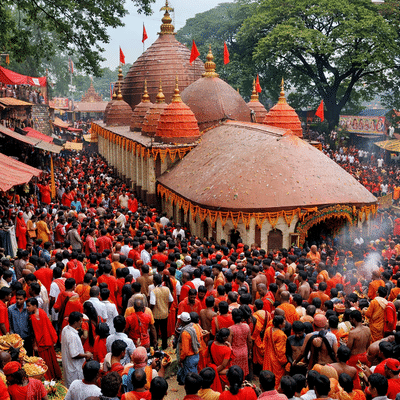
Located in Guwahati, Kamakhya Devi Temple is one of India’s most powerful Shakti Peethas. During the three-day Ambubachi festival, the goddess is believed to be menstruating, and no devotees are allowed inside. Taking prasad during this time is forbidden because the deity is considered to be in a state of rest, and consuming offerings prematurely may bring misfortune. Devotees must wait until the puja concludes to receive prasad, reinforcing the importance of timing, respect, and divine energy cycles.
Shani Shingnapur Temple, Maharashtra
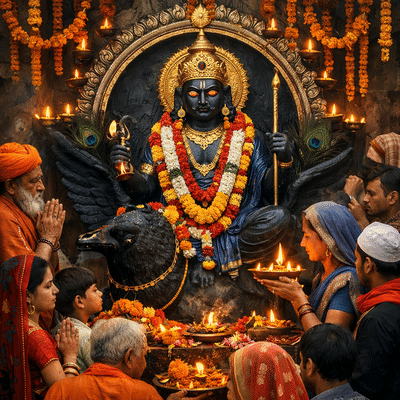
Shani Shingnapur is dedicated to Lord Shani, the deity of karma and justice. The temple is famous for not having doors, symbolizing transparency and protection. Taking prasad home is discouraged because the offerings are believed to carry intense karmic energy, which must be consumed within the temple premises. Doing so ensures that the energy balances properly and does not create unintended consequences in personal spaces. Devotees are advised to consume prasad inside the temple, maintaining harmony and respecting divine instructions.
Chhatarpur Temple, DelhiChhatarpur Temple, dedicated to Maa Katyayani, is one of Delhi’s largest temples. Here, prasad is considered highly potent and taking it home is believed to dilute its blessings. Devotees are encouraged to offer and consume it inside the temple, ensuring that the spiritual energy remains connected to the sacred space. This practice preserves the sanctity of both the deity and the devotee, preventing any unintentional misalignment of blessings or energy disruption.
Varanasi Kashi Vishwanath Temple, Uttar PradeshAt the Kashi Vishwanath Temple, prasad offerings are deeply symbolic and connected to Shiva’s cosmic energy. Taking it outside is considered inauspicious, as the blessings are meant to be experienced within the temple’s sacred environment. Devotees consume prasad on-site, showing respect for both the deity and the powerful vibrations of the temple. This tradition teaches that spiritual energy cannot always be carried physically, emphasizing reverence, presence, and mindfulness when receiving divine blessings.
Unlock insightful tips and inspiration on personal growth, productivity, and well-being. Stay motivated and updated with the latest at My Life XP.
Frequently Asked Questions (FAQs) 1. Why is prasad not allowed to be taken home in some temples?
In certain temples, prasad is spiritually sensitive and potent, meant to remain within the sacred space. Taking it home may disrupt its energy or blessings, potentially bringing misfortune.
2. Which temples are famous for this rule?
Some notable examples include Mehandipur Balaji (Rajasthan), Kamakhya Devi (Assam), Shani Shingnapur (Maharashtra), Chhatarpur (Delhi), and Kashi Vishwanath (Uttar Pradesh).
3. Is this just superstition?
No. These traditions are ancient practices rooted in energy science, ritual sanctity, and divine protection, designed to preserve blessings.
4. Can I consume prasad inside the temple?
Yes. Consuming prasad on-site ensures you receive its full spiritual benefit and avoids any negative consequences.
5. How should devotees follow these practices?
Respect temple instructions, consume prasad within the premises, and follow rituals mindfully. Awareness and devotion are key to maximizing blessings while avoiding harm.
Mehandipur Balaji Temple, Rajasthan
Prasad from Mehandipur Balaji is believed to be spiritually potent and should not be taken home.
Dedicated to Lord Hanuman, Mehandipur Balaji is famous for helping devotees afflicted by negative energies and black magic. The temple offers Boondi laddus to Balaji and udad dal & rice to Bhairav Baba, believed to cleanse evil forces. Taking this prasad home is considered inauspicious, as the energy it carries is meant for the temple and devotees should only consume it there. This ensures that spiritual benefits remain contained and effective, preventing any unintended transfer of negative or potent energies into private spaces.
Kamakhya Devi Temple, Assam
During Ambubachi, no prasad can be taken home to respect the goddess’ rest period
Located in Guwahati, Kamakhya Devi Temple is one of India’s most powerful Shakti Peethas. During the three-day Ambubachi festival, the goddess is believed to be menstruating, and no devotees are allowed inside. Taking prasad during this time is forbidden because the deity is considered to be in a state of rest, and consuming offerings prematurely may bring misfortune. Devotees must wait until the puja concludes to receive prasad, reinforcing the importance of timing, respect, and divine energy cycles.
Shani Shingnapur Temple, Maharashtra
Prasad here carries strong energies linked to justice and karma
Shani Shingnapur is dedicated to Lord Shani, the deity of karma and justice. The temple is famous for not having doors, symbolizing transparency and protection. Taking prasad home is discouraged because the offerings are believed to carry intense karmic energy, which must be consumed within the temple premises. Doing so ensures that the energy balances properly and does not create unintended consequences in personal spaces. Devotees are advised to consume prasad inside the temple, maintaining harmony and respecting divine instructions.
Chhatarpur Temple, DelhiChhatarpur Temple, dedicated to Maa Katyayani, is one of Delhi’s largest temples. Here, prasad is considered highly potent and taking it home is believed to dilute its blessings. Devotees are encouraged to offer and consume it inside the temple, ensuring that the spiritual energy remains connected to the sacred space. This practice preserves the sanctity of both the deity and the devotee, preventing any unintentional misalignment of blessings or energy disruption.
Varanasi Kashi Vishwanath Temple, Uttar PradeshAt the Kashi Vishwanath Temple, prasad offerings are deeply symbolic and connected to Shiva’s cosmic energy. Taking it outside is considered inauspicious, as the blessings are meant to be experienced within the temple’s sacred environment. Devotees consume prasad on-site, showing respect for both the deity and the powerful vibrations of the temple. This tradition teaches that spiritual energy cannot always be carried physically, emphasizing reverence, presence, and mindfulness when receiving divine blessings.
Unlock insightful tips and inspiration on personal growth, productivity, and well-being. Stay motivated and updated with the latest at My Life XP.
Frequently Asked Questions (FAQs) 1. Why is prasad not allowed to be taken home in some temples?
In certain temples, prasad is spiritually sensitive and potent, meant to remain within the sacred space. Taking it home may disrupt its energy or blessings, potentially bringing misfortune.
Some notable examples include Mehandipur Balaji (Rajasthan), Kamakhya Devi (Assam), Shani Shingnapur (Maharashtra), Chhatarpur (Delhi), and Kashi Vishwanath (Uttar Pradesh).
3. Is this just superstition?
No. These traditions are ancient practices rooted in energy science, ritual sanctity, and divine protection, designed to preserve blessings.
Yes. Consuming prasad on-site ensures you receive its full spiritual benefit and avoids any negative consequences.
5. How should devotees follow these practices?
Respect temple instructions, consume prasad within the premises, and follow rituals mindfully. Awareness and devotion are key to maximizing blessings while avoiding harm.
Next Story