
Tap Water vs Bottled Water: Harvard Expert Warns About Microplastics in Packaged Drinking Water

The long-running debate around tap water vs bottled water often focuses on convenience and perceived purity. However, insights from a Harvard-affiliated doctor suggest that tap water, when properly treated and filtered, may be a safer and healthier choice than bottled water. This expert view challenges popular assumptions and encourages consumers to rethink their everyday drinking water choices, especially in light of growing concerns around plastic exposure.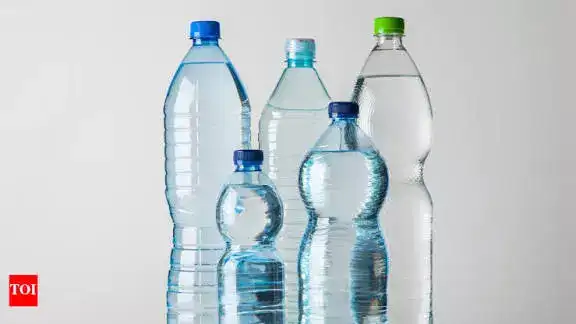
Microplastics: The Hidden Risk in Bottled Water
One of the strongest arguments against bottled water is the growing presence of microplastics in drinking water. According to an NDTV report citing expert analysis, people who rely mainly on bottled water may ingest up to 90,000 microplastic particles each year, compared to roughly 4,000 particles among those who primarily consume tap water. These particles often enter bottled water through plastic packaging, particularly during prolonged storage or transportation..
Microplastics are tiny plastic fragments formed from the breakdown of larger plastic materials. Scientific studies have raised concerns about their possible impact on human health, including inflammation, hormonal disruption, and long-term cellular damage, although research in this area is still developing. Evidence also suggests that heat and sunlight exposure can accelerate plastic shedding from bottles, increasing the risk of ingestion.
Antimony and other chemical additives used in plastic manufacturing have been linked to potential health risks when consumed in high concentrations. These findings highlight an important issue: the packaging of bottled water can directly affect water quality, regardless of its original source.
Reverse osmosis (RO) water filters are particularly effective, as they use semi-permeable membranes to remove microplastics, PFAS (forever chemicals), and heavy metals such as lead. Activated carbon or charcoal filters, while less advanced, can still reduce chlorine, odours, and several common contaminants at a lower cost. Regular replacement of filter cartridges is essential to ensure continued effectiveness.
Research consistently shows that bottled water contributes substantially to plastic pollution and environmental degradation. While neither option is entirely risk-free, current evidence increasingly supports filtered tap water as a cleaner, more sustainable solution for everyday consumption.
Bottled water may expose consumers to microplastics and chemical leachates, especially when stored under heat, whereas tap water - when properly filtered - offers a safer and more environmentally responsible alternative. By making informed hydration choices and investing in effective home water filtration, individuals can better protect both their health and the planet.
Microplastics: The Hidden Risk in Bottled Water
One of the strongest arguments against bottled water is the growing presence of microplastics in drinking water. According to an NDTV report citing expert analysis, people who rely mainly on bottled water may ingest up to 90,000 microplastic particles each year, compared to roughly 4,000 particles among those who primarily consume tap water. These particles often enter bottled water through plastic packaging, particularly during prolonged storage or transportation..
Microplastics are tiny plastic fragments formed from the breakdown of larger plastic materials. Scientific studies have raised concerns about their possible impact on human health, including inflammation, hormonal disruption, and long-term cellular damage, although research in this area is still developing. Evidence also suggests that heat and sunlight exposure can accelerate plastic shedding from bottles, increasing the risk of ingestion.
The Issue of Plastic Leachates
Beyond microplastics, bottled water poses another concern in the form of plastic leachates. When plastic bottles are exposed to temperatures above 25°C, the release of chemicals such as antimony, a toxic heavy metal, can increase. This is especially relevant in hot climates or during summer months, when bottled water is often stored in cars, warehouses, or outdoor settings.Antimony and other chemical additives used in plastic manufacturing have been linked to potential health risks when consumed in high concentrations. These findings highlight an important issue: the packaging of bottled water can directly affect water quality, regardless of its original source.
Tap Water: Safer With Filtration
While concerns about bottled water are growing, it is important to note that tap water quality varies by region. In some areas, ageing pipelines or insufficient treatment systems can introduce impurities. However, experts stress that this does not make tap water unsafe by default. With the right water filtration system, tap water can be significantly purified for household use.Reverse osmosis (RO) water filters are particularly effective, as they use semi-permeable membranes to remove microplastics, PFAS (forever chemicals), and heavy metals such as lead. Activated carbon or charcoal filters, while less advanced, can still reduce chlorine, odours, and several common contaminants at a lower cost. Regular replacement of filter cartridges is essential to ensure continued effectiveness.
Cost, Environment, and Health Considerations
From a cost perspective, tap water is far cheaper than bottled water, making it a more economical option for daily hydration. The environmental benefits are equally significant. Choosing tap water helps reduce single-use plastic waste, conserves natural resources, and lowers carbon emissions associated with bottled water production and transportation.Research consistently shows that bottled water contributes substantially to plastic pollution and environmental degradation. While neither option is entirely risk-free, current evidence increasingly supports filtered tap water as a cleaner, more sustainable solution for everyday consumption.
Bottled water may expose consumers to microplastics and chemical leachates, especially when stored under heat, whereas tap water - when properly filtered - offers a safer and more environmentally responsible alternative. By making informed hydration choices and investing in effective home water filtration, individuals can better protect both their health and the planet.
Next Story