
Why the Cervix Softens in the Last Weeks of Pregnancy


As your due date approaches, many changes happening in your body are quiet and invisible, but deeply purposeful. One of these is the gradual shift in your cervix, which begins to change texture and flexibility well before labour actually starts. You may not feel this process at all, yet it plays a vital role in how smoothly your body transitions into childbirth. Learning about cervical softening can help you recognise this phase as progress, not something to worry about, and trust the natural timing of your body as it prepares for birth.
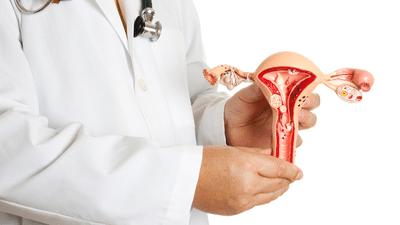
Meaning of Cervix Getting Softer
Your cervix is the lower part of your womb that stays long, firm, and tightly closed during most of your pregnancy journey. This protects your baby and helps maintain a stable pregnancy.
In the last weeks, your cervix starts to soften, a process called cervical ripening. It becomes less firm, slightly stretchy, and more flexible. Doctors often describe the cervix as going from “firm like your nose” to “soft like your lips.” This softening is your body's natural way of preparing for labour.
Why the Cervix Needs to Soften Before Childbirth
During childbirth, your cervix needs to soften so it can gradually open (dilate) and close (efface). A soft cervix can stretch easily during delivery, while a firm cervix can have trouble stretching.
Some key reasons this softening is necessary include:
What Makes the Cervix Naturally Soft
Your body begins preparing your cervix in many ways.
How Hormones Help?Certain hormones rise dramatically as your due date approaches. Your cervix needs to be soft, so prostaglandins, relaxin, and oestrogen increase. But the role of prostaglandins is crucial because they break down the firm layer of your cervix, also called collagen.
How Does the Foetal Position Influence Cervical Softening?You may feel your baby’s head pressing your cervix a bit as they get into the ideal birthing position. This pressure helps your body produce more prostaglandins, which prepare your cervix.
When Does Your Cervical Ripening Start?Most people notice cervical changes between weeks 36 and 40. Every pregnancy is different, though. Some may notice softening earlier, while for others it happens closer to their delivery date.
Remember, the timing doesn't indicate when labour will start; it simply means your body is preparing.
What You Might Encounter During Cervical RipeningSome symptoms are not obvious, while others are hard to ignore. The possible ones are listed below.
So, see them if you notice the following signs:
What Can You Do to Support Healthy Cervical Softening?
Your cervix will naturally soften, but here are a few simple steps you can take to support your body as it changes.
Stay Active but Stay SafeEasy walks, light stretches, and prenatal yoga are great for keeping your body flexible and boosting your blood flow.
Stay Hydrated Drinking plenty of water supports proper muscle and tissue function, as well as cervical health.
Practice Relaxation MethodsStress releases hormones that might disrupt cervical changes. But there are ways to calm your body and mind, with meditation, deep breathing, or warm baths.
Get Enough SleepGood-quality sleep every night helps your body regulate hormones, which is critical as your due date approaches.
When to Seek Medical Help for Cervical Softening?While cervical softening is natural, certain conditions require medical attention.
Remember, every pregnancy is different. You're doing your best, and your body is naturally preparing for a healthy labour.
Cervical softening in the final weeks of pregnancy is normal and a necessary step for a successful childbirth. It happens due to increased blood circulation, hormonal shifts, and your baby's position. Monitor your body so that you can talk to your doctor if something feels unusual. That way, you can feel more prepared and supported during this vital phase of conception.
Whether you’re pregnant, a new mom, or navigating postpartum, you don’t have to do it alone. Join our support group to connect, share, and support one another.
FAQs on Why the Cervix Softens in the Last Weeks of Pregnancy?Is cervical softening a sign that labour is approaching?
A soft cervix means your body is preparing for labour, but it doesn't mean labour will start right away. Some individuals experience softening weeks before labour begins. Can your cervix soften without contractions?
Yes. Usually, the cervix starts to soften before contractions begin, and a lot of expecting mothers don’t notice anything different at first. What does your healthcare provider check during a cervical examination?
They mostly examine the length, softness, dilation, and position of your cervix to check on your labour progress.
Meaning of Cervix Getting Softer
Your cervix is the lower part of your womb that stays long, firm, and tightly closed during most of your pregnancy journey. This protects your baby and helps maintain a stable pregnancy.
In the last weeks, your cervix starts to soften, a process called cervical ripening. It becomes less firm, slightly stretchy, and more flexible. Doctors often describe the cervix as going from “firm like your nose” to “soft like your lips.” This softening is your body's natural way of preparing for labour.
Why the Cervix Needs to Soften Before Childbirth
During childbirth, your cervix needs to soften so it can gradually open (dilate) and close (efface). A soft cervix can stretch easily during delivery, while a firm cervix can have trouble stretching.
Some key reasons this softening is necessary include:
- It reduces strain and discomfort during labour
- It helps your baby pass through the birth canal effortlessly
- It ensures dilation happens more effectively
What Makes the Cervix Naturally Soft
Your body begins preparing your cervix in many ways.
How Hormones Help?Certain hormones rise dramatically as your due date approaches. Your cervix needs to be soft, so prostaglandins, relaxin, and oestrogen increase. But the role of prostaglandins is crucial because they break down the firm layer of your cervix, also called collagen.
How Does the Foetal Position Influence Cervical Softening?You may feel your baby’s head pressing your cervix a bit as they get into the ideal birthing position. This pressure helps your body produce more prostaglandins, which prepare your cervix.
When Does Your Cervical Ripening Start?Most people notice cervical changes between weeks 36 and 40. Every pregnancy is different, though. Some may notice softening earlier, while for others it happens closer to their delivery date.
Remember, the timing doesn't indicate when labour will start; it simply means your body is preparing.
What You Might Encounter During Cervical RipeningSome symptoms are not obvious, while others are hard to ignore. The possible ones are listed below.
- Mild cramps
- Slight pelvic discomfort
- Discomfort in your back
- Losing the mucus plug
- Vaginal discharge increases or becomes slightly thicker
- Feeling your baby drop lower
So, see them if you notice the following signs:
- Vaginal bleeding
- Fluid discharge
- Unusual pelvic pain
- Regular contractions
- Back pain that won’t go away
What Can You Do to Support Healthy Cervical Softening?
Your cervix will naturally soften, but here are a few simple steps you can take to support your body as it changes.
Stay Active but Stay SafeEasy walks, light stretches, and prenatal yoga are great for keeping your body flexible and boosting your blood flow.
Stay Hydrated Drinking plenty of water supports proper muscle and tissue function, as well as cervical health.
Practice Relaxation MethodsStress releases hormones that might disrupt cervical changes. But there are ways to calm your body and mind, with meditation, deep breathing, or warm baths.
Get Enough SleepGood-quality sleep every night helps your body regulate hormones, which is critical as your due date approaches.
When to Seek Medical Help for Cervical Softening?While cervical softening is natural, certain conditions require medical attention.
- If your baby starts moving less
- If you experience bleeding
- If you have strong, frequent contractions before 37 weeks
- If you suddenly feel intense pressure
- If you suspect your water has broken
- Don’t skip your prenatal appointments
- Practice gentle exercise regularly
- Notice any changes or new symptoms
- Eat healthy foods
- Talk about your feelings with your partner or loved ones
- Ask your doctor about the cervical exam if you are unsure
Remember, every pregnancy is different. You're doing your best, and your body is naturally preparing for a healthy labour.
Cervical softening in the final weeks of pregnancy is normal and a necessary step for a successful childbirth. It happens due to increased blood circulation, hormonal shifts, and your baby's position. Monitor your body so that you can talk to your doctor if something feels unusual. That way, you can feel more prepared and supported during this vital phase of conception.
Whether you’re pregnant, a new mom, or navigating postpartum, you don’t have to do it alone. Join our support group to connect, share, and support one another.
FAQs on Why the Cervix Softens in the Last Weeks of Pregnancy?
A soft cervix means your body is preparing for labour, but it doesn't mean labour will start right away. Some individuals experience softening weeks before labour begins.
Yes. Usually, the cervix starts to soften before contractions begin, and a lot of expecting mothers don’t notice anything different at first.
They mostly examine the length, softness, dilation, and position of your cervix to check on your labour progress.
Next Story