
Why These 5 Temple Offerings Are More Powerful Than Money


Temple donation in India has always been much more than giving money. It is an act of intention, gratitude, and spiritual surrender. In Hindu tradition, daan purifies the heart and uplifts the soul. Scriptures such as the Bhagavad Gita emphasise that offerings given with faith and humility hold the highest spiritual value. Every donation, from food and clothes to oil or time, carries symbolic meaning. These acts support the temple, the community, and the giver’s personal growth. Practicing thoughtful giving generates positive karma, inner peace, and divine blessings that enrich life beyond measure.
Food Donation

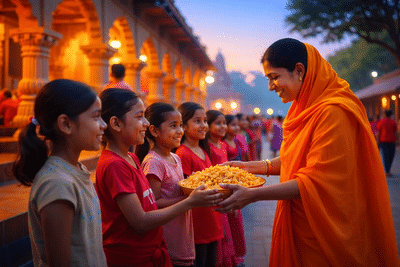
Food donation is considered one of the most powerful forms of charity in Hindu tradition. Offering rice, grains, pulses, or cooked meals not only supports temple kitchens, langars, and daily bhog but also nourishes the community spiritually and physically. In ancient scriptures like the Bhagavad Gita, food is described as sacred energy that sustains both body and mind. Donating food balances karmic fears of scarcity and hunger, cultivates compassion, and reminds devotees that true abundance comes from sharing. This act strengthens empathy, promotes gratitude, and connects the giver with a higher spiritual purpose, making it a timeless practice.
Clothes Donation

Clothes donation in temples holds deep spiritual and social significance. It symbolizes respect for the human body and compassion for those in need. Temples distribute garments to priests, workers, pilgrims, and surrounding communities, ensuring dignity for everyone. In Indian philosophy, the body is temporary, but maintaining respect and humility is eternal. Offering new or gently used clothes encourages letting go of ego, pride, and attachment to appearance or status. Devotees often donate clothes during personal transitions, career changes, or emotional challenges. This simple yet powerful act promotes inner cleansing, generosity, and positive karma while supporting vulnerable communities.
Oil or Ghee for Lamps
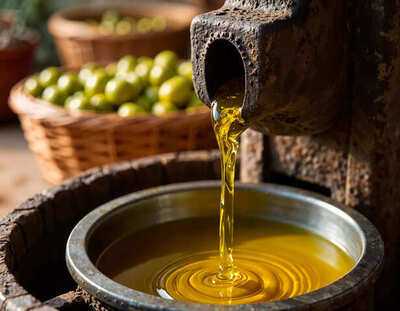
Oil and ghee are offered to light temple lamps. Diyas represent awareness and removal of darkness. When devotees donate mustard oil, sesame oil, or cow ghee, they symbolically support the flame of wisdom. Unlike decorative offerings, oil burns completely, showing surrender without expectation. This act is associated with mental clarity, discipline, and better decision making. Many devotees believe that lighting lamps reduces confusion and negative thoughts. The simple act of keeping a sacred flame alive carries deep spiritual symbolism.
Cow Support DonationsIn temples associated with Lord Krishna or Lord Shiva, donations for cow care hold special importance. Offering fodder, green grass, grains, or supporting a gaushala reflects respect for the sacred cow. In Hindu belief, the cow symbolises abundance, gentleness, and motherhood. Supporting cow welfare is seen as cultivating compassion and stability. It also balances karmas connected to consumption and excess. This donation strengthens values of care and responsibility toward all living beings.
Offering Time as SevaThe most powerful donation is time. Volunteering in temples for cleaning, serving food, helping elders, or managing arrangements is called seva. Unlike money or material goods, time cannot be recovered. Offering time demands presence and humility. Spiritual teachers emphasise that seva purifies ego and aligns action with devotion. It turns daily effort into worship. Many devotees find deep peace in silent service. This donation strengthens character and builds a real connection between faith and action.
Unlock insightful tips and inspiration on personal growth, productivity, and well-being. Stay motivated and updated with the latest at My Life XP.
Frequently Asked Questions (FAQs) 1. Why is donating clothes in temples considered important?
Clothes donation symbolizes respect for the human body and compassion for those in need. It supports priests, workers, pilgrims, and nearby communities while promoting humility and detachment from ego and appearance.
2. Can gently used clothes be donated?
Yes. Temples accept new or gently used clothes. The focus is on intention and usefulness rather than the cost or brand of the garment.
3. When is the best time to donate clothes?
Many traditions suggest donating clothes during personal transitions such as career changes, emotional shifts, or life milestones. This encourages renewal and spiritual growth.
4. How does donating clothes benefit the donor spiritually?
Donating clothes helps release attachment to material possessions and ego. It promotes humility, gratitude, and inner cleansing, enhancing positive karma and spiritual well-being.
Food Donation
Donating food in temples supports annadanam and sustains life with dignity.
Food donation is considered one of the most powerful forms of charity in Hindu tradition. Offering rice, grains, pulses, or cooked meals not only supports temple kitchens, langars, and daily bhog but also nourishes the community spiritually and physically. In ancient scriptures like the Bhagavad Gita, food is described as sacred energy that sustains both body and mind. Donating food balances karmic fears of scarcity and hunger, cultivates compassion, and reminds devotees that true abundance comes from sharing. This act strengthens empathy, promotes gratitude, and connects the giver with a higher spiritual purpose, making it a timeless practice.
Clothes Donation
Donating clothes symbolises dignity and release from ego attachment.
Clothes donation in temples holds deep spiritual and social significance. It symbolizes respect for the human body and compassion for those in need. Temples distribute garments to priests, workers, pilgrims, and surrounding communities, ensuring dignity for everyone. In Indian philosophy, the body is temporary, but maintaining respect and humility is eternal. Offering new or gently used clothes encourages letting go of ego, pride, and attachment to appearance or status. Devotees often donate clothes during personal transitions, career changes, or emotional challenges. This simple yet powerful act promotes inner cleansing, generosity, and positive karma while supporting vulnerable communities.
Oil or Ghee for Lamps
Oil donation keeps temple lamps burning and symbolises inner clarity.
Oil and ghee are offered to light temple lamps. Diyas represent awareness and removal of darkness. When devotees donate mustard oil, sesame oil, or cow ghee, they symbolically support the flame of wisdom. Unlike decorative offerings, oil burns completely, showing surrender without expectation. This act is associated with mental clarity, discipline, and better decision making. Many devotees believe that lighting lamps reduces confusion and negative thoughts. The simple act of keeping a sacred flame alive carries deep spiritual symbolism.
Cow Support DonationsIn temples associated with Lord Krishna or Lord Shiva, donations for cow care hold special importance. Offering fodder, green grass, grains, or supporting a gaushala reflects respect for the sacred cow. In Hindu belief, the cow symbolises abundance, gentleness, and motherhood. Supporting cow welfare is seen as cultivating compassion and stability. It also balances karmas connected to consumption and excess. This donation strengthens values of care and responsibility toward all living beings.
Offering Time as SevaThe most powerful donation is time. Volunteering in temples for cleaning, serving food, helping elders, or managing arrangements is called seva. Unlike money or material goods, time cannot be recovered. Offering time demands presence and humility. Spiritual teachers emphasise that seva purifies ego and aligns action with devotion. It turns daily effort into worship. Many devotees find deep peace in silent service. This donation strengthens character and builds a real connection between faith and action.
Unlock insightful tips and inspiration on personal growth, productivity, and well-being. Stay motivated and updated with the latest at My Life XP.
Frequently Asked Questions (FAQs) 1. Why is donating clothes in temples considered important?
Clothes donation symbolizes respect for the human body and compassion for those in need. It supports priests, workers, pilgrims, and nearby communities while promoting humility and detachment from ego and appearance.
Yes. Temples accept new or gently used clothes. The focus is on intention and usefulness rather than the cost or brand of the garment.
3. When is the best time to donate clothes?
Many traditions suggest donating clothes during personal transitions such as career changes, emotional shifts, or life milestones. This encourages renewal and spiritual growth.
Donating clothes helps release attachment to material possessions and ego. It promotes humility, gratitude, and inner cleansing, enhancing positive karma and spiritual well-being.
Next Story