
Why Tigers Prefer To Hunt Alone And How Solitary Behaviour Shapes Their Survival In The Wild

Why Tigers Choose Solitude Over Packs And How It Helps Them Rule The Forest: Tigers have long fascinated wildlife enthusiasts with their strength, stealth and striking appearance. Yet beyond their physical power lies a behavioural trait that defines their survival strategy. Unlike lions, which live and hunt in prides, tigers prefer isolation. This solitary lifestyle is not accidental but deeply rooted in evolution, ecology and instinct. Understanding why tigers are solitary hunters reveals important insights into tiger behaviour , territorial dynamics and the delicate balance of forest ecosystems where these majestic big cats thrive.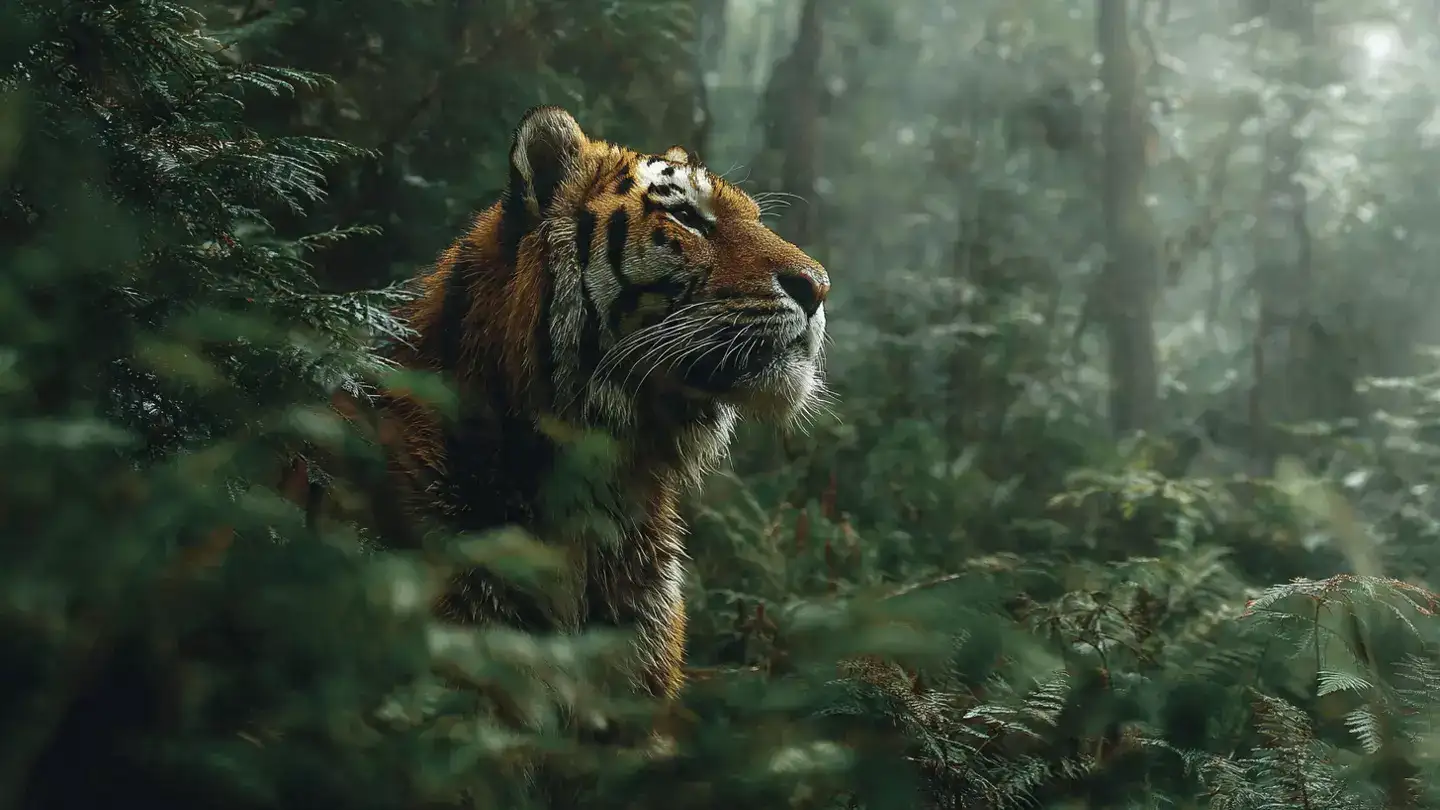
These territories are carefully marked using scent markings, scratches on trees and vocalisations. By maintaining exclusive access to prey within their range, tigers reduce competition. Sharing such a vast hunting ground with multiple adults would quickly lead to food shortages. Solitude ensures that each tiger has enough resources to survive.
Unlike social big cats, tigers do not benefit from group defence or cooperative feeding. Their strategy is built around independence. Each tiger patrols and defends its area fiercely, especially against other adults of the same sex. This territorial system supports their solitary lifestyle and reinforces why tigers are solitary hunters by design.
This method does not require teamwork. In fact, multiple hunters could increase noise and reduce the chances of a successful surprise attack. Their prey often includes deer, wild boar and other medium to large herbivores. A single adult tiger can bring down animals much larger than itself due to its strength and technique.
Because they are capable of subduing sizeable prey alone, there is little evolutionary pressure for cooperative hunting. Big cat hunting strategies vary across species, but for tigers, solitary ambush is both efficient and effective. Their muscular build, sharp claws and powerful jaws are perfectly suited to independent hunting.
Energy conservation plays a critical role in tiger behaviour. Hunting is physically demanding and not always successful. Failed hunts consume valuable energy reserves. By limiting social interactions and avoiding unnecessary fights, tigers conserve strength for survival tasks such as hunting and territorial defence.
Social animals must share food within a group hierarchy. Tigers, as solitary animals , consume their kills without competition from peers. This ensures maximum energy intake from each successful hunt. For a predator that may not catch prey every day, this independence can make the difference between survival and starvation.
Once the cubs mature, they disperse to establish territories of their own. This cycle reinforces solitude across generations. There is no stable social unit similar to a pride. Even siblings separate as they grow, further strengthening the solitary structure of tiger populations.
This limited social framework reduces long-term group dependency and allows individuals to adapt independently to environmental changes.
In contrast, lions evolved in open savannahs, where group hunting offers advantages against large prey. Tigers evolved in landscapes where stealth and camouflage are more valuable than numbers. Over thousands of years, natural selection favoured individuals capable of surviving and reproducing independently.
This evolutionary path explains why tiger behaviour differs so significantly from other big cats. Solitude became not just a preference but a survival mechanism.
Conservation planning must account for the large spatial needs of solitary animals like tigers. Preserving connected landscapes allows individuals to establish territories and maintain genetic diversity. Wildlife conservation efforts across Asia increasingly focus on habitat corridors and anti poaching measures to support stable tiger populations.
Recognising the importance of solitude also highlights why habitat loss can be so devastating. When territories shrink, forced proximity can lead to conflict and reduced survival rates. Protecting space is therefore as important as protecting the animal itself.
Tigers remain one of the most iconic symbols of wild nature, yet their power lies not only in strength but in strategic independence. Their solitary lifestyle is a carefully honed evolutionary adaptation shaped by territory, prey dynamics, habitat structure and energy efficiency. Rather than seeing solitude as isolation, it should be understood as a sophisticated survival strategy. By appreciating why tigers are solitary hunters, we gain deeper respect for their role in ecosystems and the urgent need to conserve the landscapes they quietly command.
The Role Of Territory In A Tiger’s Life
One of the strongest reasons tigers are solitary hunters lies in their relationship with territory. A single adult tiger controls a large area of forest, grassland or mangrove habitat. The size of this tiger territory can range from dozens to hundreds of square kilometres, depending on prey availability and habitat conditions.These territories are carefully marked using scent markings, scratches on trees and vocalisations. By maintaining exclusive access to prey within their range, tigers reduce competition. Sharing such a vast hunting ground with multiple adults would quickly lead to food shortages. Solitude ensures that each tiger has enough resources to survive.
Unlike social big cats, tigers do not benefit from group defence or cooperative feeding. Their strategy is built around independence. Each tiger patrols and defends its area fiercely, especially against other adults of the same sex. This territorial system supports their solitary lifestyle and reinforces why tigers are solitary hunters by design.
Abundant Prey And Hunting Strategy
The hunting style of a tiger also explains its preference for solitude. Tigers rely on stealth, patience and explosive strength. They stalk prey silently, using dense vegetation as cover, and then launch a short, powerful ambush.This method does not require teamwork. In fact, multiple hunters could increase noise and reduce the chances of a successful surprise attack. Their prey often includes deer, wild boar and other medium to large herbivores. A single adult tiger can bring down animals much larger than itself due to its strength and technique.
Because they are capable of subduing sizeable prey alone, there is little evolutionary pressure for cooperative hunting. Big cat hunting strategies vary across species, but for tigers, solitary ambush is both efficient and effective. Their muscular build, sharp claws and powerful jaws are perfectly suited to independent hunting.
Competition And Energy Conservation
Living alone also helps reduce direct competition among adults. In habitats where prey density may fluctuate, competition can quickly become intense. By spacing themselves across large territories, tigers avoid constant conflict.Energy conservation plays a critical role in tiger behaviour. Hunting is physically demanding and not always successful. Failed hunts consume valuable energy reserves. By limiting social interactions and avoiding unnecessary fights, tigers conserve strength for survival tasks such as hunting and territorial defence.
Social animals must share food within a group hierarchy. Tigers, as solitary animals , consume their kills without competition from peers. This ensures maximum energy intake from each successful hunt. For a predator that may not catch prey every day, this independence can make the difference between survival and starvation.
Mating And Limited Social Interaction
Although tigers are solitary hunters, they are not entirely antisocial. Their interactions primarily occur during mating or when a mother raises cubs. A female tiger typically raises her cubs alone, teaching them hunting skills and territorial awareness over several months.Once the cubs mature, they disperse to establish territories of their own. This cycle reinforces solitude across generations. There is no stable social unit similar to a pride. Even siblings separate as they grow, further strengthening the solitary structure of tiger populations.
This limited social framework reduces long-term group dependency and allows individuals to adapt independently to environmental changes.
Habitat Structure And Evolutionary Adaptation
The natural habitats of tigers have also shaped their solitary lifestyle. Dense forests, thick grasslands and swampy mangroves provide cover but restrict visibility. Coordinating a group hunt in such environments would be difficult.In contrast, lions evolved in open savannahs, where group hunting offers advantages against large prey. Tigers evolved in landscapes where stealth and camouflage are more valuable than numbers. Over thousands of years, natural selection favoured individuals capable of surviving and reproducing independently.
This evolutionary path explains why tiger behaviour differs so significantly from other big cats. Solitude became not just a preference but a survival mechanism.
Solitary Behaviour And Conservation Implications
Understanding that tigers are solitary hunters has major implications for wildlife conservation . Because each adult requires a vast tiger territory, protecting sufficient habitat is essential. Fragmented forests can isolate individuals, limit breeding opportunities and increase human wildlife conflict.Conservation planning must account for the large spatial needs of solitary animals like tigers. Preserving connected landscapes allows individuals to establish territories and maintain genetic diversity. Wildlife conservation efforts across Asia increasingly focus on habitat corridors and anti poaching measures to support stable tiger populations.
Recognising the importance of solitude also highlights why habitat loss can be so devastating. When territories shrink, forced proximity can lead to conflict and reduced survival rates. Protecting space is therefore as important as protecting the animal itself.
Tigers remain one of the most iconic symbols of wild nature, yet their power lies not only in strength but in strategic independence. Their solitary lifestyle is a carefully honed evolutionary adaptation shaped by territory, prey dynamics, habitat structure and energy efficiency. Rather than seeing solitude as isolation, it should be understood as a sophisticated survival strategy. By appreciating why tigers are solitary hunters, we gain deeper respect for their role in ecosystems and the urgent need to conserve the landscapes they quietly command.
Next Story