
Why Time Feels Faster as You Age: The Hidden Psychology Behind It

At some point, almost everyone notices it. Days seem shorter, years pass in what feels like moments, and time no longer stretches the way it once did. It can feel strange, even unsettling, as if life has quietly shifted into fast forward without asking for permission. This feeling matters because it shapes how we experience life itself. When time feels faster, moments feel more fleeting, and the sense of control over life can begin to slip.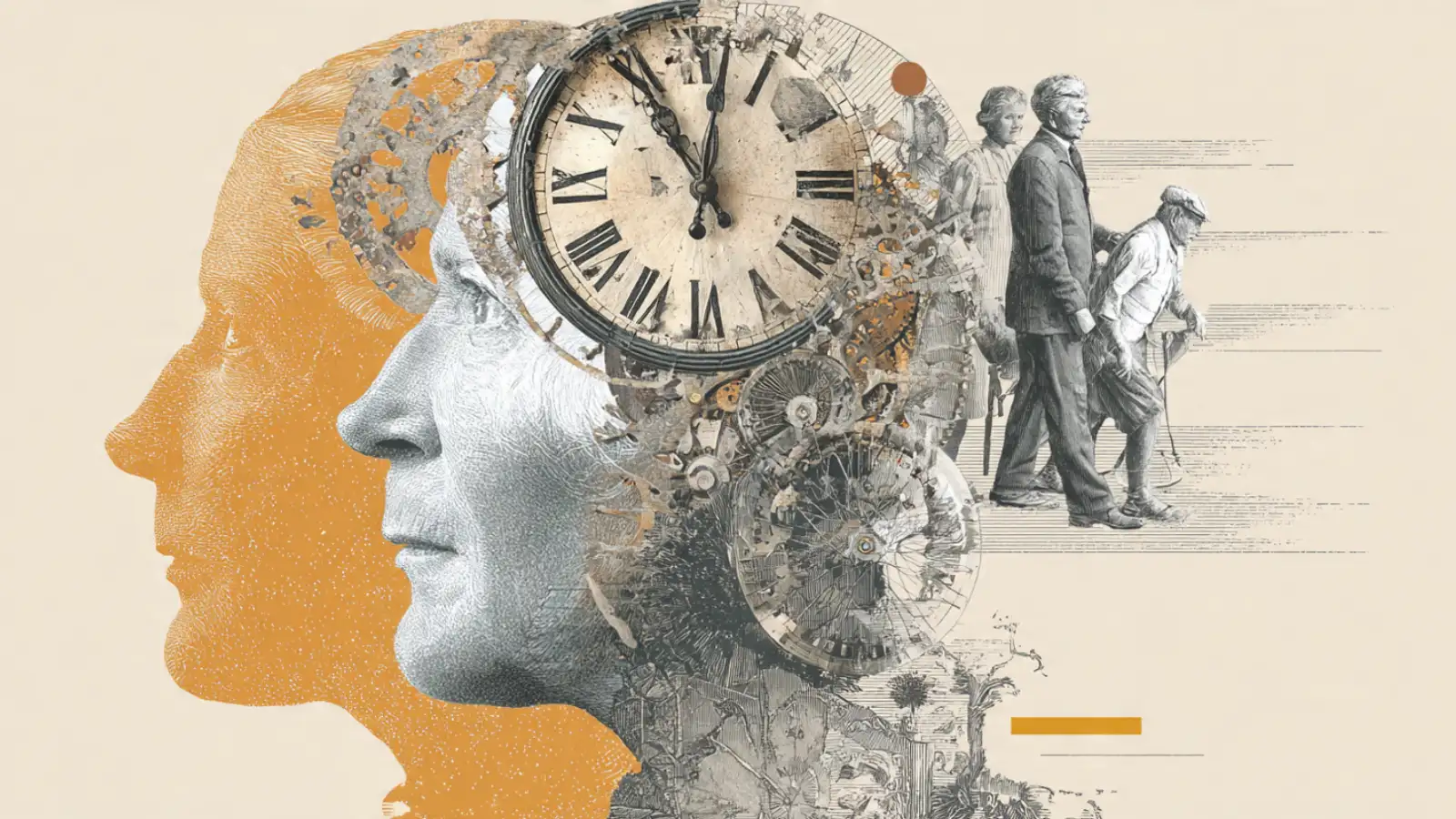
Understanding why this happens is not just about curiosity. It is about awareness. When you understand what is going on beneath the surface, you start to see time differently, and that can change how you live it.
As you grow older, your brain becomes more efficient. It starts to filter out what it considers unnecessary details. This efficiency is useful, but it comes with a side effect. When fewer details are recorded, time appears to pass more quickly in hindsight.
Think of it like watching something in low detail versus high detail. The richer the detail, the longer it feels. The simpler it becomes, the quicker it slips by.
When each day feels similar, your mind compresses those experiences. That compression creates the illusion that time is moving faster. It is not that time itself changes, but your perception of it does.
This is similar to how certain animals like elephants or dogs rely on patterns and routines in their daily lives. Predictability creates stability, but it can also make experiences feel less vivid. Humans are not so different in this regard.
Your brain naturally compares time relative to what you have already lived. A single year feels significant early in life, but later it becomes just another piece of a much larger timeline.
This shift quietly changes your perception. Time does not actually speed up, but it feels like it does because your internal reference point keeps expanding.
Your brain builds a sense of time based on how much it remembers. Less stored information creates the illusion of shorter time spans.
This is why time can feel fast in the present but surprisingly long when filled with meaningful experiences. The brain is not measuring time objectively. It is reconstructing it based on memory.
Even in nature, animals like cats or birds rely heavily on memory for navigation and survival. Their perception of time is closely tied to how they process and recall experiences. Humans operate in a similar way, just with more complex layers.
As responsibilities increase with age, attention often becomes divided. There is less focus on the present moment and more on tasks, planning, and concerns. This reduces the sense of time passing in real time.
The more aware you are of each moment, the more stretched time feels. The less aware you are, the faster it seems to slip away.
As life stabilizes, emotional intensity can decrease in everyday moments. This can create a smoother but faster feeling flow of time.
Interestingly, even animals such as horses or deer show heightened awareness during emotionally charged situations. Their perception of time shifts in response to their environment. Humans experience a similar shift, though it is often less noticeable in daily life.
This change can alter how quickly or slowly events are registered. When processing becomes more streamlined, experiences may feel shorter.
At the same time, familiarity increases. When things become familiar, the brain does not need to spend as much effort understanding them. This reduces the depth of processing and contributes to the feeling that time is moving faster.
When your brain encounters variety, novelty, and engagement, it records more information. This creates a richer sense of time. When experiences are repetitive or passive, time feels compressed.
Awareness, attention, and mental engagement all play a role in shaping how fast or slow time feels. It is less about changing time itself and more about changing your relationship with it.
Understanding why this happens is not just about curiosity. It is about awareness. When you understand what is going on beneath the surface, you start to see time differently, and that can change how you live it.
The Brain’s Changing Perception of Time
One of the biggest reasons time feels faster as you age lies in how your brain processes experiences. When you are younger, your brain is constantly absorbing new information. Everything feels fresh, detailed, and rich. These dense experiences make time feel slower because your brain has more to process.As you grow older, your brain becomes more efficient. It starts to filter out what it considers unnecessary details. This efficiency is useful, but it comes with a side effect. When fewer details are recorded, time appears to pass more quickly in hindsight.
Think of it like watching something in low detail versus high detail. The richer the detail, the longer it feels. The simpler it becomes, the quicker it slips by.
The Role of Routine in Speeding Up Time
Routine plays a quiet but powerful role in how we experience time. As life becomes more structured, days begin to blend into one another. Repetition reduces the number of distinct memories your brain forms.When each day feels similar, your mind compresses those experiences. That compression creates the illusion that time is moving faster. It is not that time itself changes, but your perception of it does.
This is similar to how certain animals like elephants or dogs rely on patterns and routines in their daily lives. Predictability creates stability, but it can also make experiences feel less vivid. Humans are not so different in this regard.
Why Childhood Feels So Long
Childhood often feels like it lasted forever. This is not just nostalgia. It is rooted in how time is measured internally. When you are young, each year represents a large portion of your life. As you age, each year becomes a smaller fraction of your total life experience.Your brain naturally compares time relative to what you have already lived. A single year feels significant early in life, but later it becomes just another piece of a much larger timeline.
This shift quietly changes your perception. Time does not actually speed up, but it feels like it does because your internal reference point keeps expanding.
Memory and the Illusion of Speed
Memory plays a central role in how fast time feels. When you look back on a period filled with distinct moments, it feels longer. When memories are fewer or less detailed, that same period feels shorter.Your brain builds a sense of time based on how much it remembers. Less stored information creates the illusion of shorter time spans.
This is why time can feel fast in the present but surprisingly long when filled with meaningful experiences. The brain is not measuring time objectively. It is reconstructing it based on memory.
Even in nature, animals like cats or birds rely heavily on memory for navigation and survival. Their perception of time is closely tied to how they process and recall experiences. Humans operate in a similar way, just with more complex layers.
Attention and Awareness
Another important factor is attention. When you are fully engaged in the present moment, time feels slower. When your attention is scattered or on autopilot, time seems to pass quickly.As responsibilities increase with age, attention often becomes divided. There is less focus on the present moment and more on tasks, planning, and concerns. This reduces the sense of time passing in real time.
The more aware you are of each moment, the more stretched time feels. The less aware you are, the faster it seems to slip away.
The Emotional Side of Time Perception
Emotions also shape how time feels. Strong emotional experiences tend to slow down your perception of time because your brain is highly engaged. Calm or neutral states often make time feel like it is moving faster.You may also like
- RUBAN unveils textured elegance at Moscow Fashion Week
- 7 reasons why the Western Ghats are more than just a wildlife destination
- Autoimmune Disease Symptoms: Don't take fatigue and joint pain lightly; this disease can start in the intestines.
- Blood Pressure Risk: Eating this fruit will increase your blood pressure, be careful now; read your doctor's advice
- Narasimha Kavach: Vishnu Mantra for Protection & Strength
As life stabilizes, emotional intensity can decrease in everyday moments. This can create a smoother but faster feeling flow of time.
Interestingly, even animals such as horses or deer show heightened awareness during emotionally charged situations. Their perception of time shifts in response to their environment. Humans experience a similar shift, though it is often less noticeable in daily life.
Biological and Cognitive Changes
There are also subtle biological changes that affect how time is perceived. As the brain ages, certain processes slow down, including the speed at which information is processed.This change can alter how quickly or slowly events are registered. When processing becomes more streamlined, experiences may feel shorter.
At the same time, familiarity increases. When things become familiar, the brain does not need to spend as much effort understanding them. This reduces the depth of processing and contributes to the feeling that time is moving faster.
Can You Slow Down the Feeling of Time?
While you cannot actually slow time, you can influence how it feels. The key lies in how you experience and process moments.When your brain encounters variety, novelty, and engagement, it records more information. This creates a richer sense of time. When experiences are repetitive or passive, time feels compressed.
Awareness, attention, and mental engagement all play a role in shaping how fast or slow time feels. It is less about changing time itself and more about changing your relationship with it.






More from our partners


Loving Newspoint? Download the app now
