
Why Do Trains Have an ‘X’ Sign at the Back? Understanding This Safety Signal

What Does the ‘X’ Sign Mean?
The ‘X’ sign displayed on the last coach of a train indicates that it is the final vehicle in the formation. In railway terminology, it confirms that the train is “complete.”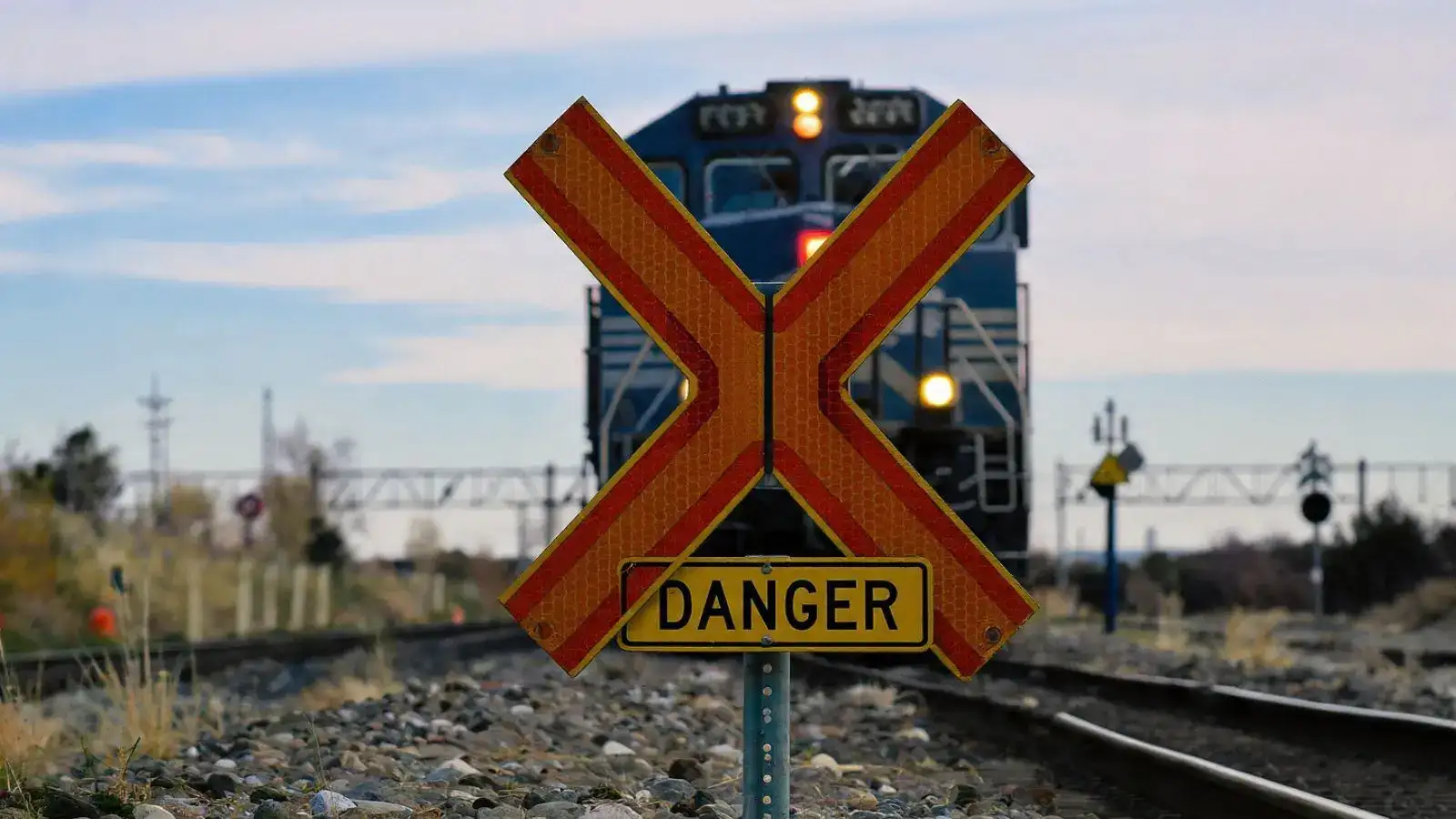
If railway staff at stations, crossings, or signal points see a train pass without this ‘X’ marker, it signals a potential problem, such as a detached coach or a train that has split during transit. This immediate visual warning allows authorities to take quick action.
Why This Marker Is Important
Railway systems handle thousands of trains daily, and ensuring that each train remains intact throughout its journey is critical for safety.
The ‘X’ sign helps in:
How the ‘X’ Sign Is Displayed
Traditionally, the ‘X’ mark is painted in white or yellow on a black background at the rear of the last coach. In addition to this, trains often use other markers to enhance visibility.
These may include:
Day and Night Signaling Systems
During the day, the ‘X’ sign serves as the primary visual indicator. At night, however, visibility becomes a challenge, so a red lamp or LED tail light is used.
This dual system ensures that the train’s end is identifiable regardless of lighting conditions. The red light also acts as a warning signal, indicating that no vehicles follow behind.
Historical Context of the ‘X’ Mark
The use of end-of-train markers dates back to early railway systems when communication technology was limited. Visual signals like flags, lamps, and painted signs were the primary means of conveying information.
Over time, the ‘X’ mark became a standardized symbol in several railway systems, especially in countries with extensive rail networks. Its simplicity made it effective and easy to recognize, even from a distance.
Global Practices and Variations
While the ‘X’ sign is widely used in India, other countries may use different end-of-train indicators. For example:
Why It Still Matters Today
Even with modern communication and tracking systems, the ‘X’ sign continues to be important. Technology can fail, but a simple painted marker provides an immediate, reliable visual confirmation.
In busy and complex rail environments, redundancy in safety systems is crucial. The ‘X’ sign adds an extra layer of assurance that helps prevent accidents.
The ‘X’ sign behind trains may appear insignificant, but it carries a critical message: the train is complete and safe. In a system as vast as Indian Railways, such simple yet effective signals play a key role in maintaining safety and efficiency. Next time you see a train pass by, that ‘X’ is quietly ensuring everything is on track.
The ‘X’ sign displayed on the last coach of a train indicates that it is the final vehicle in the formation. In railway terminology, it confirms that the train is “complete.”
If railway staff at stations, crossings, or signal points see a train pass without this ‘X’ marker, it signals a potential problem, such as a detached coach or a train that has split during transit. This immediate visual warning allows authorities to take quick action.
Why This Marker Is Important
Railway systems handle thousands of trains daily, and ensuring that each train remains intact throughout its journey is critical for safety.
The ‘X’ sign helps in:
- Verifying that all coaches are present
- Detecting accidental uncoupling of coaches
- Preventing collisions caused by unnoticed detached wagons
- Assisting station staff in confirming train passage
How the ‘X’ Sign Is Displayed
Traditionally, the ‘X’ mark is painted in white or yellow on a black background at the rear of the last coach. In addition to this, trains often use other markers to enhance visibility.
These may include:
- A red lamp or tail light for night visibility
- A flashing red light in modern coaches
- Reflective materials for better detection in low light
Day and Night Signaling Systems
During the day, the ‘X’ sign serves as the primary visual indicator. At night, however, visibility becomes a challenge, so a red lamp or LED tail light is used.
You may also like
- Sadhguru tells Alia Bhatt to learn from daughter Raha on how to live: Why it matters
- Namaste: An Offering Of Humility
- Devil Wears Prada 2 ends Asia tour in Shanghai - Meryl Streep's blue look is the real headliner
- 8th Pay Commission Math: 'Take-Home' Salary Set to Rise Significantly Upon Implementation; Major Update on Dearness Allowance
- LPG Cylinder Rates: How much is the 14.2 kg gas cylinder selling for today? Check rates from Delhi to Mumbai.
This dual system ensures that the train’s end is identifiable regardless of lighting conditions. The red light also acts as a warning signal, indicating that no vehicles follow behind.
Historical Context of the ‘X’ Mark
The use of end-of-train markers dates back to early railway systems when communication technology was limited. Visual signals like flags, lamps, and painted signs were the primary means of conveying information.
Over time, the ‘X’ mark became a standardized symbol in several railway systems, especially in countries with extensive rail networks. Its simplicity made it effective and easy to recognize, even from a distance.
Global Practices and Variations
While the ‘X’ sign is widely used in India, other countries may use different end-of-train indicators. For example:
- In some regions, reflective discs or boards are used
- In others, electronic end-of-train devices transmit signals to the locomotive
- Many modern trains rely on advanced monitoring systems
Why It Still Matters Today
Even with modern communication and tracking systems, the ‘X’ sign continues to be important. Technology can fail, but a simple painted marker provides an immediate, reliable visual confirmation.
In busy and complex rail environments, redundancy in safety systems is crucial. The ‘X’ sign adds an extra layer of assurance that helps prevent accidents.
The ‘X’ sign behind trains may appear insignificant, but it carries a critical message: the train is complete and safe. In a system as vast as Indian Railways, such simple yet effective signals play a key role in maintaining safety and efficiency. Next time you see a train pass by, that ‘X’ is quietly ensuring everything is on track.






More from our partners


Loving Newspoint? Download the app now
