Why Was The Lotus Chosen As India's National Flower? Find Out

The lotus , scientifically known as Nelumbo nucifera , is deeply ingrained in Indian culture and heritage. This majestic flower has been a symbol of spiritual growth, prosperity, and beauty for thousands of years. But what makes the lotus so special that it's revered as India's national flower ? Let's delve into its rich history and significance.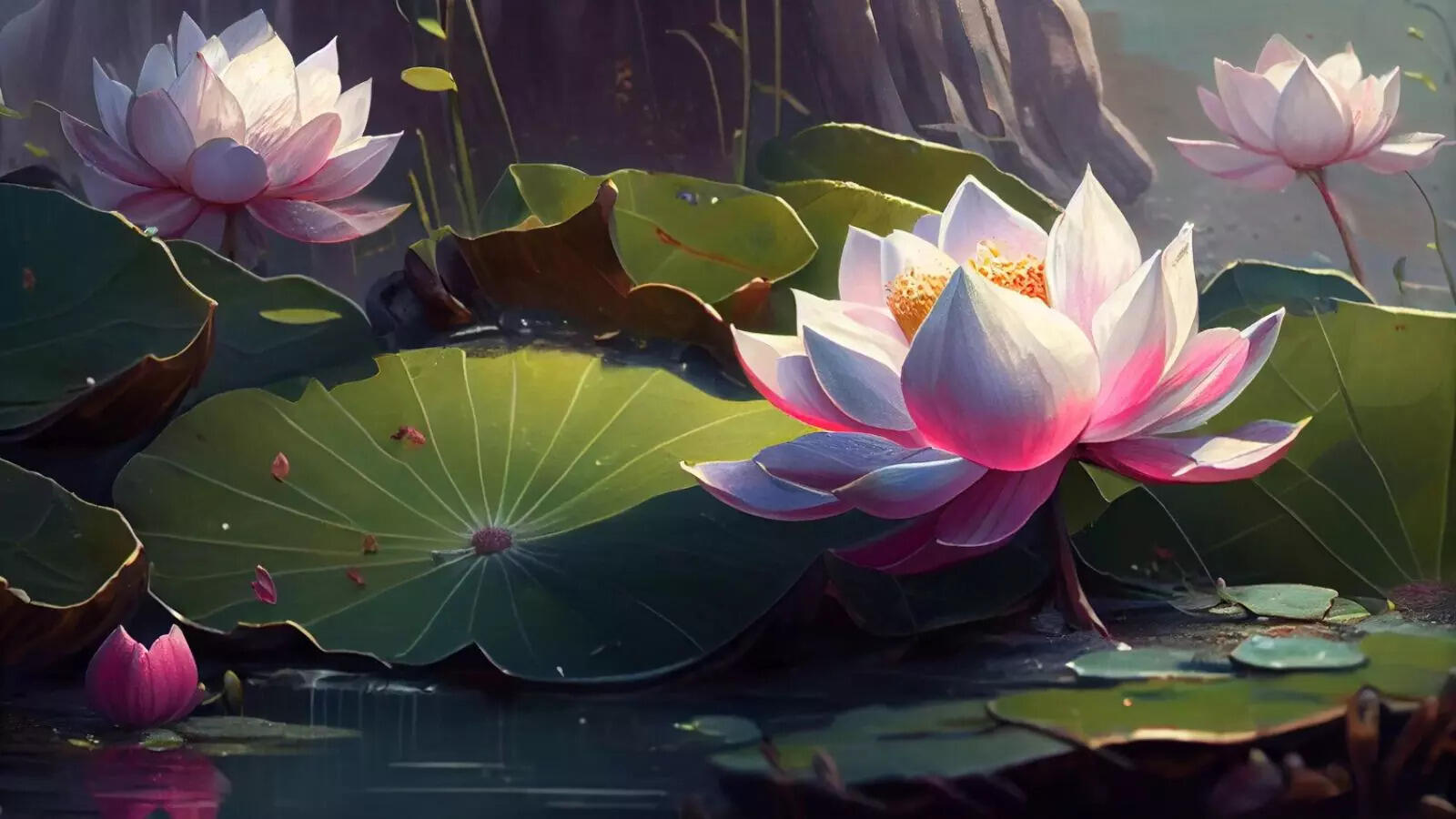
Ancient Roots and Symbolism
In Hindu mythology, the lotus is associated with creation and the birth of the universe. According to legend, the goddess Lakshmi emerged from a lotus flower, signifying her role as the embodiment of beauty, purity, and prosperity. The lotus also represents the journey of life, with its roots in the muddy depths and its bloom above the water's surface, symbolizing spiritual growth and enlightenment.
Cultural Significance
In Indian culture, the lotus is a sacred symbol that transcends religious boundaries. It's often depicted in art, literature, and architecture, representing the fusion of spirituality and beauty. The lotus is also a popular motif in Indian textiles, jewelry, and handicrafts.
National Importance
On January 26, 1950, the Constituent Assembly of India adopted the lotus as the national flower . This decision was influenced by the flower's:
1. Universal appeal: The lotus is revered across various Indian cultures and faiths.
2. Spiritual significance: It represents the country's rich spiritual heritage.
3. Beauty and uniqueness: The lotus's stunning appearance and life cycle make it a remarkable symbol.
Interesting Facts
1. India's national emblem, the Ashoka Chakra, features a 24-spoke wheel surrounded by a lotus.
2. Lotus-inspired architecture can be seen in ancient Indian temples, mosques, and monuments.
3. Ayurvedic significance: The lotus has medicinal properties and is used in traditional Indian medicine.
The lotus is an integral part of India's cultural fabric, representing the nation's spiritual, artistic, and philosophical heritage. As India's national flower, it embodies the country's values of beauty, purity, and resilience. The next time you see a lotus, remember its profound significance and the rich history behind its revered status.
Ancient Roots and Symbolism
In Hindu mythology, the lotus is associated with creation and the birth of the universe. According to legend, the goddess Lakshmi emerged from a lotus flower, signifying her role as the embodiment of beauty, purity, and prosperity. The lotus also represents the journey of life, with its roots in the muddy depths and its bloom above the water's surface, symbolizing spiritual growth and enlightenment.
Cultural Significance
In Indian culture, the lotus is a sacred symbol that transcends religious boundaries. It's often depicted in art, literature, and architecture, representing the fusion of spirituality and beauty. The lotus is also a popular motif in Indian textiles, jewelry, and handicrafts.
National Importance
On January 26, 1950, the Constituent Assembly of India adopted the lotus as the national flower . This decision was influenced by the flower's:
1. Universal appeal: The lotus is revered across various Indian cultures and faiths.
2. Spiritual significance: It represents the country's rich spiritual heritage.
You may also like
 Kylie Minogue wants Margot Robbie to play her in biopic
- President Murmu attends public event in Manipur's Senapati district
 CPI inflation to average 2.5 pc in FY26, GST cuts to support core inflation: Report
 Uttarakhand: Over 500 cadets, including foreign trainees, take part in IMA Passing Out Parade
- GST reforms may reduce retail inflation by 35 basis points in 2025-26: SBI report
3. Beauty and uniqueness: The lotus's stunning appearance and life cycle make it a remarkable symbol.
Interesting Facts
1. India's national emblem, the Ashoka Chakra, features a 24-spoke wheel surrounded by a lotus.
2. Lotus-inspired architecture can be seen in ancient Indian temples, mosques, and monuments.
3. Ayurvedic significance: The lotus has medicinal properties and is used in traditional Indian medicine.
The lotus is an integral part of India's cultural fabric, representing the nation's spiritual, artistic, and philosophical heritage. As India's national flower, it embodies the country's values of beauty, purity, and resilience. The next time you see a lotus, remember its profound significance and the rich history behind its revered status.






More from our partners


Loving Newspoint? Download the app now
