
Why Weekends Feel Shorter Than Weekdays: The Real Psychology Behind Time Flying

You wait all week for the weekend. By Friday evening, there is a quiet sense of relief. It feels like time has finally slowed down. But then something strange happens. Before you know it, Sunday night arrives, and it feels like those precious hours just slipped through your fingers.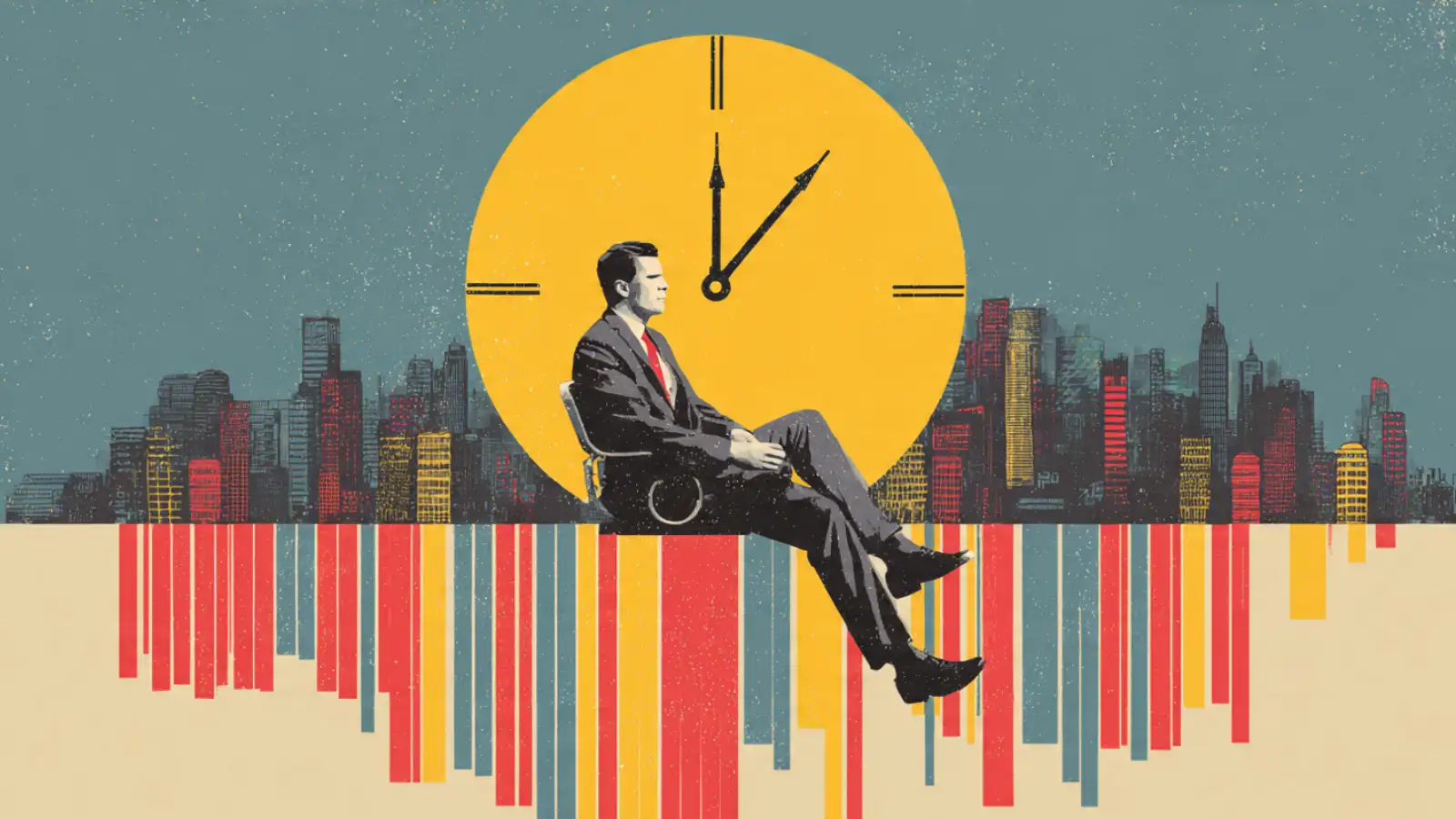
This feeling is so common that it almost feels universal. Whether you are working, studying, or managing daily responsibilities, weekends always seem to vanish faster than weekdays. It is not just in your head. There is a real psychological reason behind why this happens, and once you understand it, the pattern starts to make sense.
From how your brain processes time to how your routine changes, several subtle factors shape this experience. Even the way animals like dogs, cats, and birds react to routine can help us understand how deeply timing and repetition affect perception.
During weekdays, your schedule is structured. You wake up at a fixed time, follow a routine, and move through predictable tasks. This repetition creates more “mental markers” in your memory. When you look back, the day feels long because your brain has more checkpoints to recall.
On weekends, the structure fades. The day becomes more relaxed and less segmented. Without clear boundaries between activities, your brain stores fewer markers. As a result, time feels compressed.
It is similar to how animals like elephants or horses follow consistent daily patterns. When routines change, their behavior shifts noticeably. Humans are not very different in this sense.
When something is highly anticipated, your brain experiences it more quickly. The focus is on enjoying the moment rather than noticing the passage of time. As a result, hours seem to pass faster.
During weekdays, the opposite happens. You are often waiting for something to end. This creates a stretched feeling of time. Even a short period can feel long when you are constantly checking the clock.
Think of how a cat waits patiently before pouncing or how a fox stays alert before making a move. That build-up of anticipation changes how time feels, even in animals. In humans, the effect is even stronger because we are constantly thinking about what comes next.
Weekends, on the other hand, offer freedom. You can wake up later, change plans, or simply relax. While this freedom feels good, it removes the structure that helps your brain track time.
Without routine, hours blend into each other. Morning turns into afternoon without clear transitions. This makes the entire day feel shorter when you look back.
Even animals like wolves and deer rely on patterns for survival. Their movements are often tied to specific times of the day. When that pattern is disrupted, their behavior becomes less predictable. Humans experience something similar in terms of time perception.
Pleasant experiences tend to feel shorter while they are happening. This is because your attention is focused on the experience itself rather than the passage of time.
Weekdays, especially busy or stressful ones, create the opposite effect. When you are tired or overwhelmed, you become more aware of time. This makes each hour feel longer.
This emotional contrast is one of the biggest reasons behind the illusion that weekends disappear quickly.
Weekdays, despite being repetitive, often involve multiple small tasks and interactions. These add variety to your day in subtle ways.
Weekends, surprisingly, can become less varied. Even though they are free, people often stick to familiar patterns of rest. With fewer distinct experiences, the brain records less detail, making time feel shorter.
In nature, animals like monkeys or dolphins show increased alertness when exposed to new environments. This heightened awareness slows their perception of time. Humans respond in a similar way.
This transition creates a sense of urgency. Suddenly, you become aware that time is running out. This awareness speeds up your perception even more.
Instead of enjoying the moment, part of your mind is already focused on Monday. This split attention makes the remaining time feel even shorter.
Weekdays, with their structured flow and repeated checkpoints, leave behind a longer memory trail. This creates the illusion that they lasted longer.
It is not about how much time you had. It is about how your brain recorded it.
This feeling is so common that it almost feels universal. Whether you are working, studying, or managing daily responsibilities, weekends always seem to vanish faster than weekdays. It is not just in your head. There is a real psychological reason behind why this happens, and once you understand it, the pattern starts to make sense.
From how your brain processes time to how your routine changes, several subtle factors shape this experience. Even the way animals like dogs, cats, and birds react to routine can help us understand how deeply timing and repetition affect perception.
The Brain Doesn’t Measure Time, It Interprets It
One of the biggest reasons weekends feel shorter lies in how the brain works. Your brain does not track time like a clock. Instead, it builds a memory of experiences and uses that to estimate how long something felt.During weekdays, your schedule is structured. You wake up at a fixed time, follow a routine, and move through predictable tasks. This repetition creates more “mental markers” in your memory. When you look back, the day feels long because your brain has more checkpoints to recall.
On weekends, the structure fades. The day becomes more relaxed and less segmented. Without clear boundaries between activities, your brain stores fewer markers. As a result, time feels compressed.
It is similar to how animals like elephants or horses follow consistent daily patterns. When routines change, their behavior shifts noticeably. Humans are not very different in this sense.
Anticipation Makes Weekends Feel Shorter
Another hidden factor is anticipation. You spend most of the week looking forward to the weekend. This builds a sense of excitement and expectation.When something is highly anticipated, your brain experiences it more quickly. The focus is on enjoying the moment rather than noticing the passage of time. As a result, hours seem to pass faster.
During weekdays, the opposite happens. You are often waiting for something to end. This creates a stretched feeling of time. Even a short period can feel long when you are constantly checking the clock.
Think of how a cat waits patiently before pouncing or how a fox stays alert before making a move. That build-up of anticipation changes how time feels, even in animals. In humans, the effect is even stronger because we are constantly thinking about what comes next.
Routine vs Freedom: A Subtle Shift in Perception
Weekdays are built around routine. You follow a fixed schedule with defined tasks. This creates a sense of discipline and structure, which slows down your perception of time.Weekends, on the other hand, offer freedom. You can wake up later, change plans, or simply relax. While this freedom feels good, it removes the structure that helps your brain track time.
Without routine, hours blend into each other. Morning turns into afternoon without clear transitions. This makes the entire day feel shorter when you look back.
Even animals like wolves and deer rely on patterns for survival. Their movements are often tied to specific times of the day. When that pattern is disrupted, their behavior becomes less predictable. Humans experience something similar in terms of time perception.
The Role of Emotional Experience
Emotions play a powerful role in how time feels. Weekends are often associated with relaxation, happiness, and comfort. When you are in a positive emotional state, your brain processes time differently.Pleasant experiences tend to feel shorter while they are happening. This is because your attention is focused on the experience itself rather than the passage of time.
Weekdays, especially busy or stressful ones, create the opposite effect. When you are tired or overwhelmed, you become more aware of time. This makes each hour feel longer.
This emotional contrast is one of the biggest reasons behind the illusion that weekends disappear quickly.
Fewer New Experiences, Faster Time
Another interesting factor is novelty. When you experience something new, your brain pays more attention. This creates richer memories, making time feel longer in hindsight.Weekdays, despite being repetitive, often involve multiple small tasks and interactions. These add variety to your day in subtle ways.
Weekends, surprisingly, can become less varied. Even though they are free, people often stick to familiar patterns of rest. With fewer distinct experiences, the brain records less detail, making time feel shorter.
In nature, animals like monkeys or dolphins show increased alertness when exposed to new environments. This heightened awareness slows their perception of time. Humans respond in a similar way.
The Sunday Effect
There is also a psychological shift that happens on Sunday. As the day progresses, your mind starts preparing for the upcoming week.This transition creates a sense of urgency. Suddenly, you become aware that time is running out. This awareness speeds up your perception even more.
Instead of enjoying the moment, part of your mind is already focused on Monday. This split attention makes the remaining time feel even shorter.
How Memory Shapes the Illusion
At the end of the day, your sense of time is shaped more by memory than by actual hours. When you look back at your weekend, if there are fewer distinct memories, it feels like time passed quickly.Weekdays, with their structured flow and repeated checkpoints, leave behind a longer memory trail. This creates the illusion that they lasted longer.
It is not about how much time you had. It is about how your brain recorded it.
Next Story