
Why You Can Own a House in Greenland but Never the Land Beneath It

Greenland’s real estate system is strikingly different from what most of the world understands about property ownership. Here, individuals can purchase homes but they can never own the land on which those homes stand. This unusual arrangement stems from centuries-old cultural values and modern legal structures that treat land as a shared resource for all rather than a private commodity.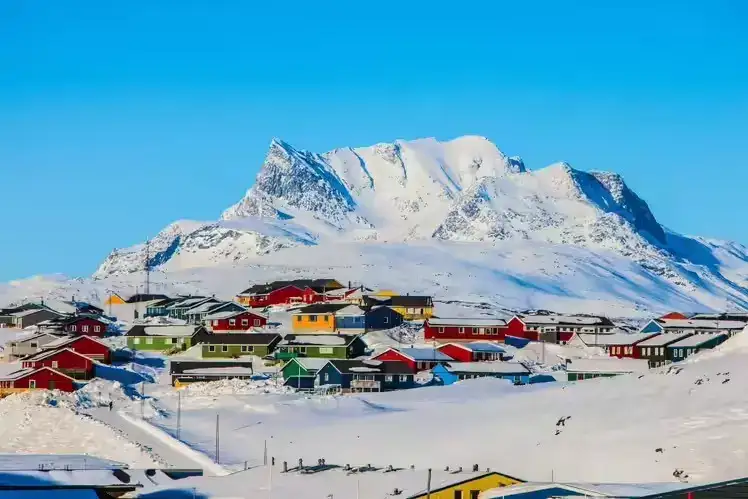
This right of use is crucial: while people can own the physical building or structure, the land remains under collective control. Site allocations can be granted indefinitely and can be transferred when a property changes ownership, but they cannot be bought, sold, or mortgaged independently from the house attached to them. This subtle legal nuance means that in Greenland, you are buying the house and its right of use, not the soil beneath.
Greenland is a sparsely populated Arctic territory with vast stretches of tundra and ice. Allowing freehold land ownership could lead to speculation, concentrated ownership by outsiders, or land commodification that conflicts with cultural values and community needs. The legal setup aims to protect local interests and prevent speculative buying that could price residents out of their own communities.
But eligibility rules are stringent. Only citizens of Greenland, Denmark, or the Faroe Islands can automatically apply for property and usage rights. Those without these nationalities must have lived in Greenland for at least two years and paid taxes to be eligible. Foreigners not meeting these conditions can apply for special exemptions, but these are granted at the discretion of authorities.
The Core of the System: Public Land Ownership
Under Greenlandic law, all land belongs collectively to the people and is administered by public authorities and municipalities. There is no private land ownership , meaning no one, not even native Greenlanders, can buy land outright. Instead, the government issues site allocations, which confer a right to use a specific plot for purposes like building a house, extending a structure, or making other developments.This right of use is crucial: while people can own the physical building or structure, the land remains under collective control. Site allocations can be granted indefinitely and can be transferred when a property changes ownership, but they cannot be bought, sold, or mortgaged independently from the house attached to them. This subtle legal nuance means that in Greenland, you are buying the house and its right of use, not the soil beneath.
Why This System Exists
Greenland’s approach to land reflects deep cultural and practical considerations. The concept partly originates from Indigenous traditions, especially among the Inuit, who historically viewed land as a communal legacy rather than a commodity to be traded. Even today, many Greenlanders describe themselves as stewards, not owners, of their territory a stance that stands in contrast to private land markets elsewhere.Greenland is a sparsely populated Arctic territory with vast stretches of tundra and ice. Allowing freehold land ownership could lead to speculation, concentrated ownership by outsiders, or land commodification that conflicts with cultural values and community needs. The legal setup aims to protect local interests and prevent speculative buying that could price residents out of their own communities.
How Property Purchases Work
If someone wants to build or buy a home, they must first apply for a site allocation through the local municipality. This is a formal request for the right to use a specific plot of land. Once granted, the applicant can build, improve, or buy a house on that land. When the house is sold, the site allocation is transferred to the new owner with government consent.But eligibility rules are stringent. Only citizens of Greenland, Denmark, or the Faroe Islands can automatically apply for property and usage rights. Those without these nationalities must have lived in Greenland for at least two years and paid taxes to be eligible. Foreigners not meeting these conditions can apply for special exemptions, but these are granted at the discretion of authorities.
Market Challenges and Reality
Even for citizens, entering the housing market can be tough. Places like Nuuk, the capital, face long waiting lists for homes and limited housing stock. Long-term planning and municipal oversight ensure that property development aligns with community plans rather than short-term profit motives.Next Story