
Why You Crave Junk Food and How to Control It

It’s almost impossible to resist that slice of pizza, burger, or a chocolate bar, even when you know it’s not good for your health. Junk food cravings are a common struggle, and understanding why they happen is the first step to managing them. Once you know the reasons behind these cravings, you can take practical steps to reduce them and make healthier choices.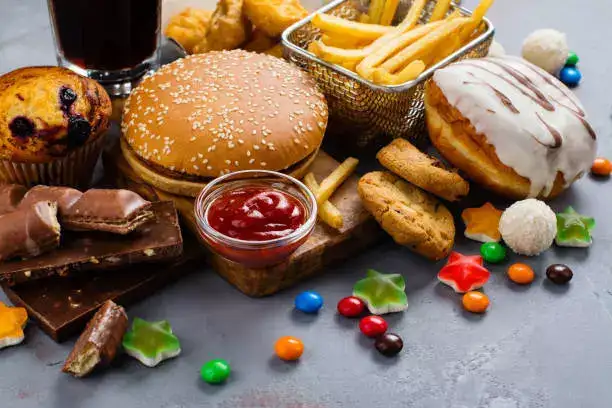
Why You Crave Junk Food
High Sugar, Salt, and Fat Content
Junk foods are often packed with sugar, salt, and unhealthy fats, which trigger the brain’s pleasure centers. This releases dopamine, the “feel-good” hormone, making you want more and reinforcing the habit of overeating.
Emotional Eating
Stress, boredom, anxiety, or sadness can lead to emotional eating. Many people turn to snacks like chips, ice cream, or chocolates for comfort, even when they’re not physically hungry.
Convenience and Habit
Fast food is easy, quick, and tasty. Over time, habitual snacking and convenience make junk food your go-to option, and your brain begins to associate it with instant rewards.
Blood Sugar Spikes
Refined carbs, sweets, and sugary drinks cause blood sugar to spike and then crash. This rapid fluctuation triggers your body to crave more high-calorie foods for quick energy.
Lack of Sleep
Sleep deprivation affects hunger hormones, increasing ghrelin (which stimulates appetite) and reducing leptin (which signals fullness). This makes you more likely to crave calorie-dense junk foods.
Marketing and Environment
Bright packaging, advertisements, and easy availability influence cravings. Seeing or smelling junk food can trigger desire even if you’re not hungry.
How to Control Junk Food Cravings
Eat Balanced Meals
Include protein, fiber, and healthy fats in your meals. These nutrients keep you full longer, stabilize blood sugar, and reduce sudden cravings.
Stay Hydrated
Sometimes your body confuses thirst with hunger. Drink water before reaching for a snack it may reduce unnecessary cravings.
Plan Healthy Snacks
Keep nuts, fruits, yogurt, or vegetable sticks handy. Having healthier alternatives available can prevent impulsive junk food consumption.
Manage Stress
Exercise, yoga, meditation, or deep breathing exercises can help manage stress and reduce emotional eating triggers.
Get Enough Sleep
Prioritize 7–8 hours of sleep per night. Proper rest balances hunger hormones and reduces cravings for high-calorie foods.
Avoid Temptation
Keep junk food out of sight at home or work. When it’s not easily accessible, you’re less likely to indulge.
Practice Mindful Eating
Focus on what you eat. Avoid eating while watching TV or scrolling your phone. Mindful eating helps you enjoy food, eat slower, and recognize when you’re full.
Chew Slowly and Savor Flavors
Taking your time with meals reduces overeating and helps your brain register satisfaction more effectively.
Identify Triggers
Keep a journal of when and why you crave junk food. Understanding triggers stress, boredom, or certain social situations can help you create a strategy to manage cravings.
Craving junk food is natural, but it doesn’t have to control your diet or health. By understanding the reasons behind these cravings and adopting practical strategies like balanced meals, stress management, and mindful eating you can reduce unhealthy snacking and enjoy long-term wellness. Small, consistent steps can lead to better energy, improved health, and a stronger control over your eating habits.
Why You Crave Junk Food
High Sugar, Salt, and Fat Content
Junk foods are often packed with sugar, salt, and unhealthy fats, which trigger the brain’s pleasure centers. This releases dopamine, the “feel-good” hormone, making you want more and reinforcing the habit of overeating. Emotional Eating
Stress, boredom, anxiety, or sadness can lead to emotional eating. Many people turn to snacks like chips, ice cream, or chocolates for comfort, even when they’re not physically hungry.Convenience and Habit
Fast food is easy, quick, and tasty. Over time, habitual snacking and convenience make junk food your go-to option, and your brain begins to associate it with instant rewards. Blood Sugar Spikes
Refined carbs, sweets, and sugary drinks cause blood sugar to spike and then crash. This rapid fluctuation triggers your body to crave more high-calorie foods for quick energy.Lack of Sleep
Sleep deprivation affects hunger hormones, increasing ghrelin (which stimulates appetite) and reducing leptin (which signals fullness). This makes you more likely to crave calorie-dense junk foods. Marketing and Environment
Bright packaging, advertisements, and easy availability influence cravings. Seeing or smelling junk food can trigger desire even if you’re not hungry. How to Control Junk Food Cravings
Eat Balanced Meals
Include protein, fiber, and healthy fats in your meals. These nutrients keep you full longer, stabilize blood sugar, and reduce sudden cravings. Stay Hydrated
Sometimes your body confuses thirst with hunger. Drink water before reaching for a snack it may reduce unnecessary cravings.You may also like
- Devil Wears Prada 2 ends Asia tour in Shanghai - Meryl Streep's blue look is the real headliner
- 8th Pay Commission Math: 'Take-Home' Salary Set to Rise Significantly Upon Implementation; Major Update on Dearness Allowance
- LPG Cylinder Rates: How much is the 14.2 kg gas cylinder selling for today? Check rates from Delhi to Mumbai.
- Want to close your PPF account prematurely? Find out when and how you can withdraw your money..
- “Periods Are Not An Excuse” Sreeleela's Viral Statement Sparks Massive Outrage Online
Plan Healthy Snacks
Keep nuts, fruits, yogurt, or vegetable sticks handy. Having healthier alternatives available can prevent impulsive junk food consumption. Manage Stress
Exercise, yoga, meditation, or deep breathing exercises can help manage stress and reduce emotional eating triggers. Get Enough Sleep
Prioritize 7–8 hours of sleep per night. Proper rest balances hunger hormones and reduces cravings for high-calorie foods. Avoid Temptation
Keep junk food out of sight at home or work. When it’s not easily accessible, you’re less likely to indulge. Practice Mindful Eating
Focus on what you eat. Avoid eating while watching TV or scrolling your phone. Mindful eating helps you enjoy food, eat slower, and recognize when you’re full.Chew Slowly and Savor Flavors
Taking your time with meals reduces overeating and helps your brain register satisfaction more effectively. Identify Triggers
Keep a journal of when and why you crave junk food. Understanding triggers stress, boredom, or certain social situations can help you create a strategy to manage cravings. Craving junk food is natural, but it doesn’t have to control your diet or health. By understanding the reasons behind these cravings and adopting practical strategies like balanced meals, stress management, and mindful eating you can reduce unhealthy snacking and enjoy long-term wellness. Small, consistent steps can lead to better energy, improved health, and a stronger control over your eating habits.






More from our partners


Loving Newspoint? Download the app now
