
Feeling Tired All the Time? Hidden Causes You Might Be Ignoring

There are days when you wake up, go through your routine, and still feel like you have run a marathon without actually moving much. No heavy work, no intense activity, yet your body feels sluggish and your mind refuses to cooperate. It is confusing, and honestly, a little frustrating.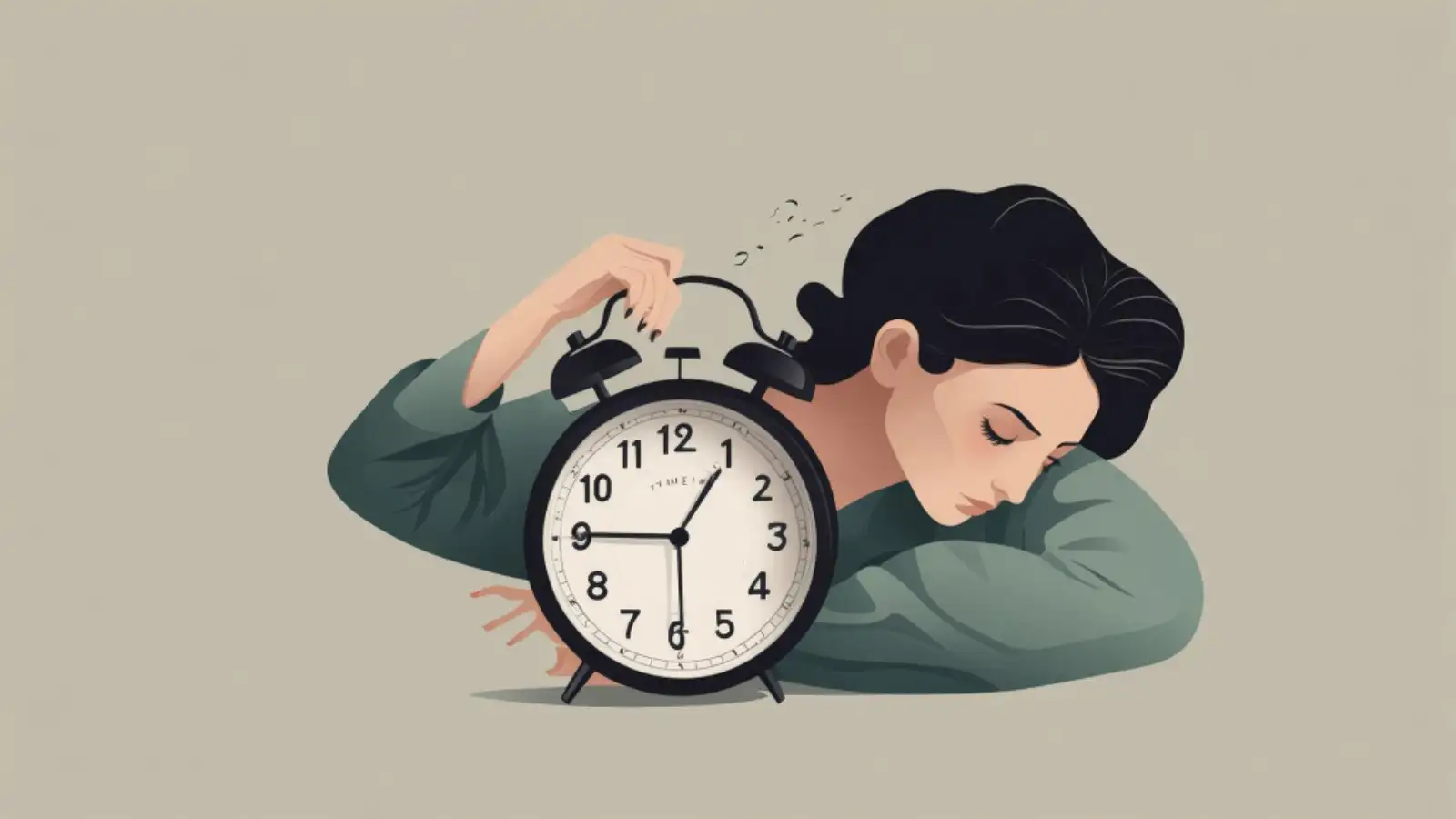
This kind of tiredness is becoming more common than we realize. People are feeling drained not because they are overworking physically, but because something deeper is quietly consuming their energy. Understanding this matters because constant fatigue does not just affect productivity. It affects mood, relationships, and overall quality of life.
Let’s break down why this happens and what might really be behind that unexplained exhaustion.
Your brain is always active. Even when your body is at rest, your mind keeps processing thoughts, worries, and information. This constant activity uses energy. Over time, it builds up into a feeling of deep tiredness that sleep alone does not fix.
Imagine sitting all day, scrolling, thinking, planning, worrying, and overanalyzing. You may not feel physically tired, but your mind is working non-stop. That invisible effort drains you slowly, making you feel like you did something exhausting even when you did not.
When your mind keeps replaying situations, imagining outcomes, or worrying about things beyond your control, it creates a constant loop of mental activity. This loop does not give your brain a chance to rest.
Overthinking also triggers stress responses in the body. Even if you are sitting still, your body reacts as if you are dealing with a real challenge. Your heart rate may slightly increase, your muscles may stay tense, and your energy gets used up faster.
This is why you can feel completely exhausted after a day that looked calm on the outside.
Notifications, social media, emails, news updates, and endless scrolling may seem harmless, but they overload your brain. Each piece of information demands attention, even if only for a few seconds.
This constant switching between tasks and information sources tires your brain. It reduces your ability to focus and increases mental fatigue. Even though you are not physically active, your brain is working overtime.
Interrupted sleep, late-night screen usage, or irregular sleep schedules can prevent your body from reaching deep, restorative sleep stages. Without proper rest, your brain and body do not fully recover.
As a result, you wake up already feeling tired. This kind of fatigue stays with you throughout the day, making even simple tasks feel overwhelming.
Unresolved feelings, stress, anxiety, or even subtle dissatisfaction can sit quietly in the background and drain your energy. You may not consciously think about them all the time, but your mind is still processing them.
Carrying emotional weight is like holding something heavy all day without realizing it. Over time, it leads to exhaustion, even if your daily routine seems easy.
When you do not move enough, your body’s energy systems slow down. Blood circulation decreases, muscles become stiff, and your overall alertness drops.
Movement helps boost energy levels by improving oxygen flow and releasing feel-good chemicals in the brain. Without it, your body stays in a low-energy state, which feels like constant fatigue.
Even these small choices use mental energy. When your brain keeps making decisions without enough breaks, it starts to feel overwhelmed. This leads to decision fatigue, where even simple choices feel exhausting.
By the end of the day, you may feel drained even if you have not done anything physically demanding.
Irregular eating patterns, lack of hydration, and too much caffeine can disrupt your body’s natural rhythm. While these may give temporary boosts, they often lead to energy crashes later.
A lifestyle that lacks balance makes it harder for your body to maintain steady energy throughout the day. Over time, this creates a cycle where you feel tired more often, even without doing much.
When you are not mentally engaged or emotionally invested in what you are doing, your brain does not feel stimulated. This lack of engagement can feel like low energy or fatigue.
It is not always about physical or mental exhaustion . Sometimes, it is about not feeling connected to your tasks or environment.
This kind of tiredness is becoming more common than we realize. People are feeling drained not because they are overworking physically, but because something deeper is quietly consuming their energy. Understanding this matters because constant fatigue does not just affect productivity. It affects mood, relationships, and overall quality of life.
Let’s break down why this happens and what might really be behind that unexplained exhaustion.
The Difference Between Physical and Mental Fatigue
When people think about tiredness, they often associate it with physical work. But in reality, mental fatigue can be just as exhausting, if not more.Your brain is always active. Even when your body is at rest, your mind keeps processing thoughts, worries, and information. This constant activity uses energy. Over time, it builds up into a feeling of deep tiredness that sleep alone does not fix.
Imagine sitting all day, scrolling, thinking, planning, worrying, and overanalyzing. You may not feel physically tired, but your mind is working non-stop. That invisible effort drains you slowly, making you feel like you did something exhausting even when you did not.
The Silent Drain of Overthinking
One of the biggest reasons behind feeling tired without doing much is overthinking.When your mind keeps replaying situations, imagining outcomes, or worrying about things beyond your control, it creates a constant loop of mental activity. This loop does not give your brain a chance to rest.
Overthinking also triggers stress responses in the body. Even if you are sitting still, your body reacts as if you are dealing with a real challenge. Your heart rate may slightly increase, your muscles may stay tense, and your energy gets used up faster.
This is why you can feel completely exhausted after a day that looked calm on the outside.
Digital Overload Is Real
We live in a world where screens are always within reach. From the moment you wake up to the moment you go to sleep, your brain is constantly absorbing information.Notifications, social media, emails, news updates, and endless scrolling may seem harmless, but they overload your brain. Each piece of information demands attention, even if only for a few seconds.
This constant switching between tasks and information sources tires your brain. It reduces your ability to focus and increases mental fatigue. Even though you are not physically active, your brain is working overtime.
Poor Sleep Quality, Not Just Quantity
Many people believe that as long as they get enough hours of sleep, they should feel refreshed. But the quality of sleep matters more than the number of hours.Interrupted sleep, late-night screen usage, or irregular sleep schedules can prevent your body from reaching deep, restorative sleep stages. Without proper rest, your brain and body do not fully recover.
As a result, you wake up already feeling tired. This kind of fatigue stays with you throughout the day, making even simple tasks feel overwhelming.
Emotional Weight You May Not Notice
Emotions play a bigger role in energy levels than most people realize.Unresolved feelings, stress, anxiety, or even subtle dissatisfaction can sit quietly in the background and drain your energy. You may not consciously think about them all the time, but your mind is still processing them.
Carrying emotional weight is like holding something heavy all day without realizing it. Over time, it leads to exhaustion, even if your daily routine seems easy.
Lack of Movement Can Make You More Tired
It may sound strange, but doing nothing physically can actually make you feel more tired.When you do not move enough, your body’s energy systems slow down. Blood circulation decreases, muscles become stiff, and your overall alertness drops.
Movement helps boost energy levels by improving oxygen flow and releasing feel-good chemicals in the brain. Without it, your body stays in a low-energy state, which feels like constant fatigue.
Decision Fatigue Is Draining You
Every day, you make hundreds of decisions. Some are small, like what to eat or what to wear, while others require more thought.Even these small choices use mental energy. When your brain keeps making decisions without enough breaks, it starts to feel overwhelmed. This leads to decision fatigue, where even simple choices feel exhausting.
You may also like
- A toad near your home isn't just a coincidence: Here's what it really indicates about your surroundings
- World Health Day 2026: Importance of Regular Health Check-Ups
- Essential Safety Tips for a Safe Boat Riding Experience
- Discover India's Most Breathtaking Sunset Beaches
- Explore the Enchanting Summer Retreats of Meghalaya
By the end of the day, you may feel drained even if you have not done anything physically demanding.
The Role of Lifestyle Habits
Your daily habits quietly shape your energy levels.Irregular eating patterns, lack of hydration, and too much caffeine can disrupt your body’s natural rhythm. While these may give temporary boosts, they often lead to energy crashes later.
A lifestyle that lacks balance makes it harder for your body to maintain steady energy throughout the day. Over time, this creates a cycle where you feel tired more often, even without doing much.
Feeling Unmotivated Can Feel Like Fatigue
Sometimes, what feels like tiredness is actually a lack of motivation.When you are not mentally engaged or emotionally invested in what you are doing, your brain does not feel stimulated. This lack of engagement can feel like low energy or fatigue.
It is not always about physical or mental exhaustion . Sometimes, it is about not feeling connected to your tasks or environment.






More from our partners


Loving Newspoint? Download the app now
