
Why You Keep Feeling Thirsty During Pregnancy


Feeling thirsty during pregnancy can make you feel like you're never drinking enough water. While it is normal to feel thirstier than usual because your body is busy supporting your growing baby, sometimes that thirst can feel almost impossible to satisfy.
You might think that drinking whenever you feel thirsty is enough, but extreme thirst can sometimes be a sign that your body needs more attention. In some cases, it could even point to issues like dehydration or gestational diabetes. Paying attention to these signals can help you take better care of yourself and your baby.
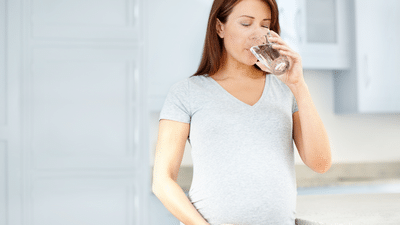
Is Extreme Thirst Normal During Pregnancy?
Feeling thirstier than usual is one of the most common pregnancy symptoms. It usually starts in the first trimester and becomes more noticeable as your pregnancy progresses.
Why does increased thirst happen in pregnancy?
Why Does Pregnancy Trigger Intense Thirst?
Your body goes through several changes during pregnancy that naturally increase your need for fluids:
When Should Thirst Be a Cause for Concern in Pregnancy?
Most pregnancy-related thirst is normal, but very intense or persistent thirst can sometimes signal an underlying condition:
Your needs may be higher if you’re carrying twins, exercising regularly, or spending time in hot and humid conditions.
How to Manage Extreme Thirst During Pregnancy
A few easy habits can help you drink enough without forcing it:
Feeling thirsty during pregnancy is usually normal, but it’s important to pay attention to your body. If your thirst comes with other symptoms like fatigue, frequent urination, or blurred vision, don’t ignore it. Speak with your doctor to rule out underlying conditions.
Whether you’re pregnant, a new mom, or navigating postpartum, you don’t have to do it alone. Join our support group to connect, share, and support one another.
FAQs on Why You Keep Feeling Thirsty During PregnancyCan caffeine worsen extreme thirst during pregnancy?
Yes. Caffeine is a mild diuretic, which can increase fluid loss and make you feel thirstier. Does age affect how thirsty you feel in pregnancy?
Yes. Older pregnant individuals may experience stronger thirst due to natural changes in kidney function and the body’s fluid regulation.
You might think that drinking whenever you feel thirsty is enough, but extreme thirst can sometimes be a sign that your body needs more attention. In some cases, it could even point to issues like dehydration or gestational diabetes. Paying attention to these signals can help you take better care of yourself and your baby.
Is Extreme Thirst Normal During Pregnancy?
Feeling thirstier than usual is one of the most common pregnancy symptoms. It usually starts in the first trimester and becomes more noticeable as your pregnancy progresses.
Why does increased thirst happen in pregnancy?
- Higher fluid needs from the first trimester: Your body needs extra fluids to support increased blood volume and your baby’s development. This often shows up as stronger or more frequent thirst, especially alongside early symptoms like fatigue or nausea.
- Growing demands in the second and third trimesters: As your bump grows, your body requires even more water for circulation, digestion and amniotic fluid levels. This can make thirst feel more urgent.
Why Does Pregnancy Trigger Intense Thirst?
Your body goes through several changes during pregnancy that naturally increase your need for fluids:
- Increased blood production: Your body produces more blood to support the growing baby and placenta. This higher blood volume requires additional fluids to stay balanced.
- Maintaining amniotic fluid levels: Amniotic fluid needs constant replenishment, and your body uses more water to keep these levels stable throughout pregnancy.
- Expanded circulation: As your circulatory system grows to support both you and your baby, your overall fluid requirement rises.
- Changes in progesterone and hCG: These hormones can affect how your body manages water and electrolytes, which can increase thirst.
- Faster kidney filtration: Your kidneys work more efficiently during pregnancy, causing you to urinate more often. This leads to quicker fluid loss and naturally increases your need to drink.
- Heat and physical activity: Warm weather and regular activity increase sweating, making hydration even more important.
- Higher metabolism: Your metabolic rate rises to support your baby’s growth. This increased energy use contributes to greater water needs.
When Should Thirst Be a Cause for Concern in Pregnancy?
Most pregnancy-related thirst is normal, but very intense or persistent thirst can sometimes signal an underlying condition:
- Gestational diabetes: This temporary condition affects how your body manages blood sugar. When symptoms appear, excessive thirst is one of the most noticeable, along with fatigue, blurred vision and frequent urination. Routine screening between 24 and 28 weeks helps detect it early.
- Gestational diabetes insipidus (rare): This condition is linked to low levels of a hormone that controls fluid balance. It causes extreme thirst and unusually large amounts of urine throughout the day, making hydration feel difficult to maintain.
- HELLP syndrome: A serious condition related to liver and blood function, usually occurring later in pregnancy. Along with a strong thirst, symptoms can include severe tiredness, nausea, vomiting or sharp pain under the right rib area.
- Effects of morning sickness or diarrhoea: Vomiting, loose stools or a fever can lead to dehydration, causing dry mouth, dizziness and thirst that lasts longer than usual.
- Thirst that does not improve with drinking: Normal pregnancy thirst settles after you hydrate. If it continues despite regular fluid intake, speak to your doctor.
Your needs may be higher if you’re carrying twins, exercising regularly, or spending time in hot and humid conditions.
How to Manage Extreme Thirst During Pregnancy
A few easy habits can help you drink enough without forcing it:
- Keep water accessible: Carry a bottle in your bag, keep one at your desk and place another where you relax at home. Setting gentle hourly reminders can help you take regular sips without thinking too much about it.
- Make water more appealing: Chilled water often feels more refreshing. Ice cubes, homemade ice pops or cold drinks can help you increase your intake without upsetting your stomach.
- Add water-rich foods: Include cucumbers, oranges, watermelon, and other hydrating fruits and vegetables in your meals.
- Reduce salty and sugary foods: Snacks high in salt or sugar can increase dehydration.
- Try simple alternatives to plain water: Infused water with fruits, coconut water, pregnancy-safe herbal teas, or a glass of milk can help you meet your daily fluid needs.
- Improve your night-time environment: If dry air increases thirst at night, using a humidifier can make breathing more comfortable and reduce dryness.
Feeling thirsty during pregnancy is usually normal, but it’s important to pay attention to your body. If your thirst comes with other symptoms like fatigue, frequent urination, or blurred vision, don’t ignore it. Speak with your doctor to rule out underlying conditions.
Whether you’re pregnant, a new mom, or navigating postpartum, you don’t have to do it alone. Join our support group to connect, share, and support one another.
FAQs on Why You Keep Feeling Thirsty During Pregnancy
Yes. Caffeine is a mild diuretic, which can increase fluid loss and make you feel thirstier.
Yes. Older pregnant individuals may experience stronger thirst due to natural changes in kidney function and the body’s fluid regulation.
Next Story