
Why You Shouldn’t Stir Rice Immediately After Cooking: The Secret to Perfect Fluffy Grains

Cooking perfect rice isn’t just about getting the water ratio right, it’s also about what you do after the cooking ends. Many people make the mistake of stirring rice immediately, not realising this simple habit can ruin its texture. Here’s why patience is the key to light, fluffy rice.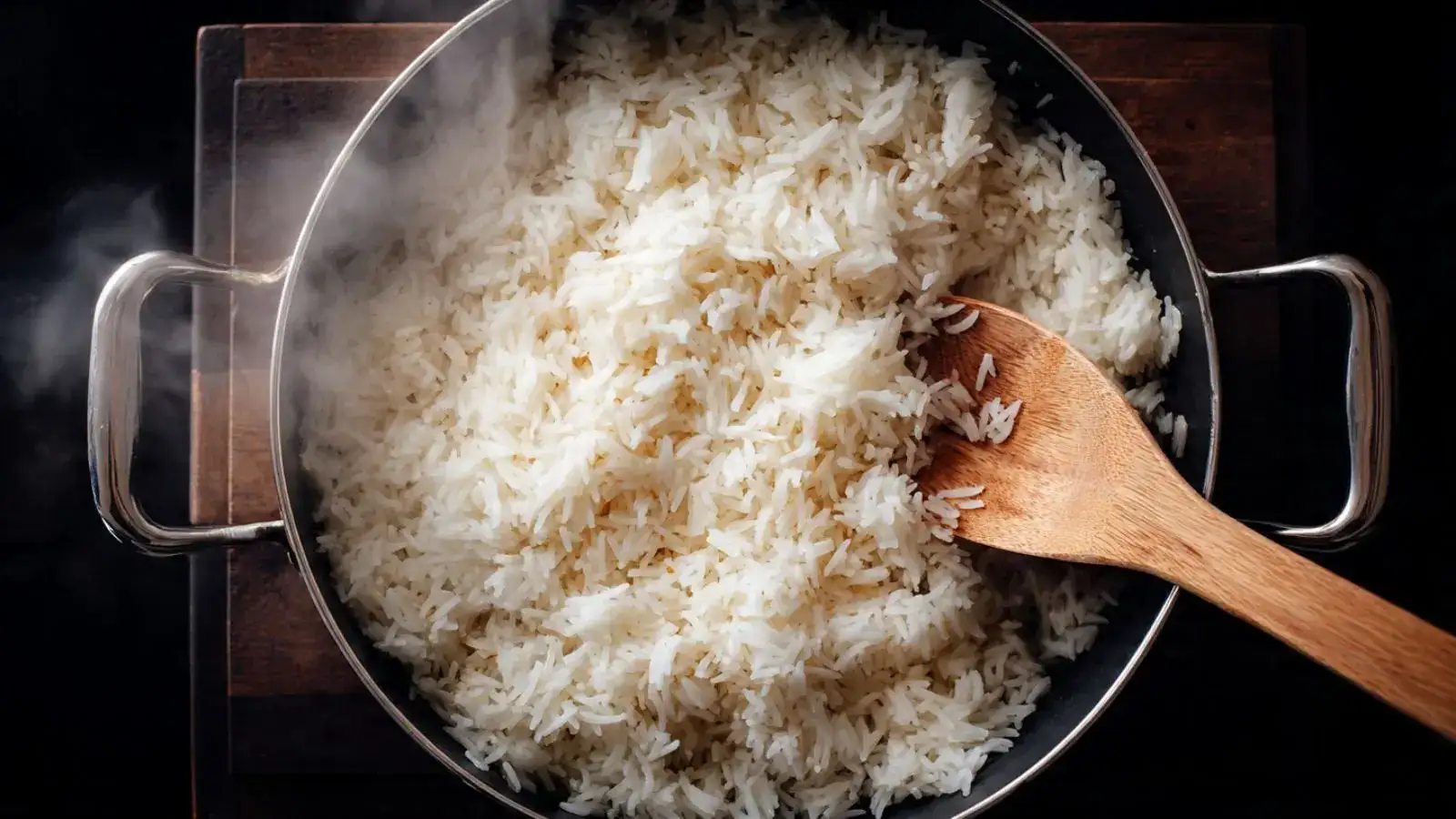
What Happens When Rice Finishes Cooking?
When rice is done cooking, it has absorbed water and the starch inside each grain has softened. At this stage, the grains are still delicate and releasing steam. Their structure hasn’t fully set yet, which makes them more likely to break if disturbed too soon.
Why Stirring Hot Rice Is a Mistake
Stirring rice immediately after cooking disrupts the grains while they are still soft. This causes them to break and release excess starch, which leads to a sticky and clumpy texture. Instead of separate, fluffy grains, the rice can turn dense and slightly mushy.
The Importance of Letting Rice Rest
Letting rice rest for 5-10 minutes after cooking is essential. During this time, the remaining steam redistributes moisture evenly throughout the pot. This helps the grains firm up slightly and improves their overall texture, making them easier to separate without damage.
How Steam Affects the Final Texture
Even after the heat is turned off, trapped steam continues to cook the rice gently. If you remove the lid or stir too early, this steam escapes and interrupts the final cooking stage. Keeping the lid on allows the rice to finish cooking evenly and develop the right consistency.
The Right Way to Handle Cooked Rice
To get perfectly fluffy rice, follow these simple steps:
Does This Apply to All Types of Rice?
This principle works for most types of rice, including basmati, jasmine, and other long-grain varieties. However, certain dishes are exceptions. Recipes like risotto require continuous stirring to achieve a creamy texture, while sticky rice is meant to be more cohesive. For plain steamed rice, minimal handling is always best.
A Small Step That Makes a Big Difference
Waiting a few minutes before stirring may seem minor, but it significantly improves the final result. It enhances texture, keeps the grains separate, and makes the rice more enjoyable to eat.
Perfect rice isn’t just about cooking time or water ratio - it’s also about patience. By allowing the rice to rest before stirring, you can achieve light, fluffy grains every time. Sometimes, the simplest habits lead to the best results in the kitchen.
What Happens When Rice Finishes Cooking?
When rice is done cooking, it has absorbed water and the starch inside each grain has softened. At this stage, the grains are still delicate and releasing steam. Their structure hasn’t fully set yet, which makes them more likely to break if disturbed too soon.
Why Stirring Hot Rice Is a Mistake
Stirring rice immediately after cooking disrupts the grains while they are still soft. This causes them to break and release excess starch, which leads to a sticky and clumpy texture. Instead of separate, fluffy grains, the rice can turn dense and slightly mushy.
The Importance of Letting Rice Rest
Letting rice rest for 5-10 minutes after cooking is essential. During this time, the remaining steam redistributes moisture evenly throughout the pot. This helps the grains firm up slightly and improves their overall texture, making them easier to separate without damage.
How Steam Affects the Final Texture
Even after the heat is turned off, trapped steam continues to cook the rice gently. If you remove the lid or stir too early, this steam escapes and interrupts the final cooking stage. Keeping the lid on allows the rice to finish cooking evenly and develop the right consistency.
You may also like
- Long seasonal transition periods, like this year, are bad for pets
- TTE's kind gesture on a train for Indian soldiers, and a quiet reminder of what respect really looks like
- Auto driver's unexpected kindness: A ₹443 ride becomes a lesson in empathy for a young man
- महिलाओं के लिए इंटिमेट संबंधों के अदृश्य स्वास्थ्य लाभ
- Rising trend of at-home beauty devices sparks safety concerns
The Right Way to Handle Cooked Rice
To get perfectly fluffy rice, follow these simple steps:
- Turn off the heat once the rice is cooked
- Let it rest covered for 5–10 minutes
- Gently fluff the rice using a fork or rice paddle
Does This Apply to All Types of Rice?
This principle works for most types of rice, including basmati, jasmine, and other long-grain varieties. However, certain dishes are exceptions. Recipes like risotto require continuous stirring to achieve a creamy texture, while sticky rice is meant to be more cohesive. For plain steamed rice, minimal handling is always best.
A Small Step That Makes a Big Difference
Waiting a few minutes before stirring may seem minor, but it significantly improves the final result. It enhances texture, keeps the grains separate, and makes the rice more enjoyable to eat.
Perfect rice isn’t just about cooking time or water ratio - it’s also about patience. By allowing the rice to rest before stirring, you can achieve light, fluffy grains every time. Sometimes, the simplest habits lead to the best results in the kitchen.






More from our partners


Loving Newspoint? Download the app now
