
Why Your Body Needs Protein and What Happens Without It

Protein is often associated with gym routines and muscle building, but its importance goes far beyond fitness. It is one of the key nutrients your body needs every single day to function smoothly. From repairing tissues to supporting vital processes, protein plays a central role in keeping the body strong and balanced at every stage of life.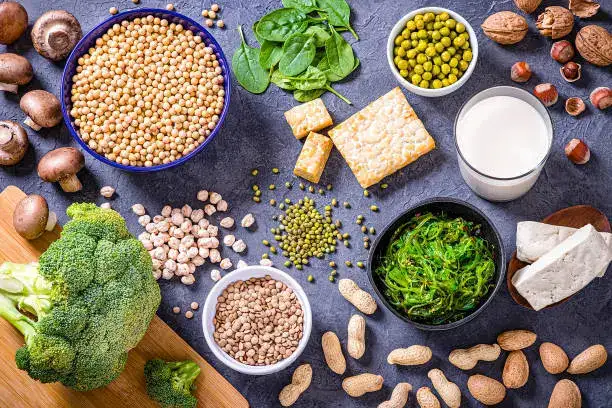
The Building Block of the Body
Protein is made up of amino acids, which are essential for building and repairing tissues. It supports muscle growth, strengthens bones, and helps maintain healthy skin, blood, and cartilage.
Beyond structure, protein is also involved in producing enzymes and hormones that control important body functions such as digestion, metabolism, and immunity.
This makes protein especially important for growing children, recovering patients, and anyone dealing with physical or mental stress.
What Happens When You Don’t Get Enough
A lack of protein can gradually affect the body in several ways. One of the earliest signs is fatigue. When protein intake is low, the body may begin breaking down muscle tissue to meet its energy needs.
Over time, this can lead to reduced muscle strength, weakness, and lower stamina. Everyday tasks may start to feel more tiring, and overall energy levels may drop.
Effects on Hair, Skin and Healing
Protein is crucial for maintaining healthy hair, skin, and nails. When the body does not get enough, it prioritises essential functions and reduces support to these areas.
As a result, you may notice hair fall, dry or dull skin, brittle nails, and slower healing of cuts and wounds.
These changes are often early visible signs that your diet may be lacking in protein.
Impact on Immunity and Overall Health
Protein also supports the immune system by helping produce antibodies that fight infections. A deficiency can weaken the body’s natural defence, making it easier to fall sick and harder to recover.
In the long term, consistently low protein intake may affect overall health, including muscle loss and reduced physical performance.
Who Is at Risk
Why Consistent Intake Matters
Protein works best when consumed regularly throughout the day rather than in a single meal. Spreading protein intake across breakfast, lunch, and dinner helps the body absorb and use it more efficiently.
Including protein-rich foods like eggs, dairy, pulses, fish, poultry, and nuts in daily meals can help maintain a healthy balance.
A Small Change With Big Impact
Protein may seem like a simple part of your diet, but its role is wide-ranging and essential. It supports strength, recovery, immunity, and overall well-being.
Paying attention to your daily protein intake and maintaining a balanced diet can make a noticeable difference in your energy levels, health, and quality of life over time.
The Building Block of the Body
Protein is made up of amino acids, which are essential for building and repairing tissues. It supports muscle growth, strengthens bones, and helps maintain healthy skin, blood, and cartilage. Beyond structure, protein is also involved in producing enzymes and hormones that control important body functions such as digestion, metabolism, and immunity.
This makes protein especially important for growing children, recovering patients, and anyone dealing with physical or mental stress.
What Happens When You Don’t Get Enough
A lack of protein can gradually affect the body in several ways. One of the earliest signs is fatigue. When protein intake is low, the body may begin breaking down muscle tissue to meet its energy needs. Over time, this can lead to reduced muscle strength, weakness, and lower stamina. Everyday tasks may start to feel more tiring, and overall energy levels may drop.
Effects on Hair, Skin and Healing
Protein is crucial for maintaining healthy hair, skin, and nails. When the body does not get enough, it prioritises essential functions and reduces support to these areas. As a result, you may notice hair fall, dry or dull skin, brittle nails, and slower healing of cuts and wounds.
These changes are often early visible signs that your diet may be lacking in protein.
Impact on Immunity and Overall Health
Protein also supports the immune system by helping produce antibodies that fight infections. A deficiency can weaken the body’s natural defence, making it easier to fall sick and harder to recover. In the long term, consistently low protein intake may affect overall health, including muscle loss and reduced physical performance.
Who Is at Risk
- Certain groups are more likely to have low protein intake. Older adults may need more protein to maintain muscle mass and prevent weakness.
- Children and teenagers require sufficient protein for proper growth and development.
- Pregnant women, people following restrictive diets, and those who frequently skip meals may also fall short. In many cases, people do not realise their intake is low until symptoms begin to appear.
Why Consistent Intake Matters
Protein works best when consumed regularly throughout the day rather than in a single meal. Spreading protein intake across breakfast, lunch, and dinner helps the body absorb and use it more efficiently. Including protein-rich foods like eggs, dairy, pulses, fish, poultry, and nuts in daily meals can help maintain a healthy balance.
A Small Change With Big Impact
Protein may seem like a simple part of your diet, but its role is wide-ranging and essential. It supports strength, recovery, immunity, and overall well-being. Paying attention to your daily protein intake and maintaining a balanced diet can make a noticeable difference in your energy levels, health, and quality of life over time.
Next Story