
Why Your Brain Constantly Tricks You Into Seeing Faces In Everyday Objects

Have you ever looked at the front of a car and thought it looked like it was smiling? Or spotted a face in a piece of toast or a cloud? This strange yet common experience isn’t your imagination running wild—it’s your brain doing exactly what it’s wired to do. According to neuroscientists and psychologists, the human brain is uniquely tuned to recognise faces—even when none actually exist. This fascinating phenomenon is called pareidolia, and it reveals how our minds constantly search for meaning in the world around us.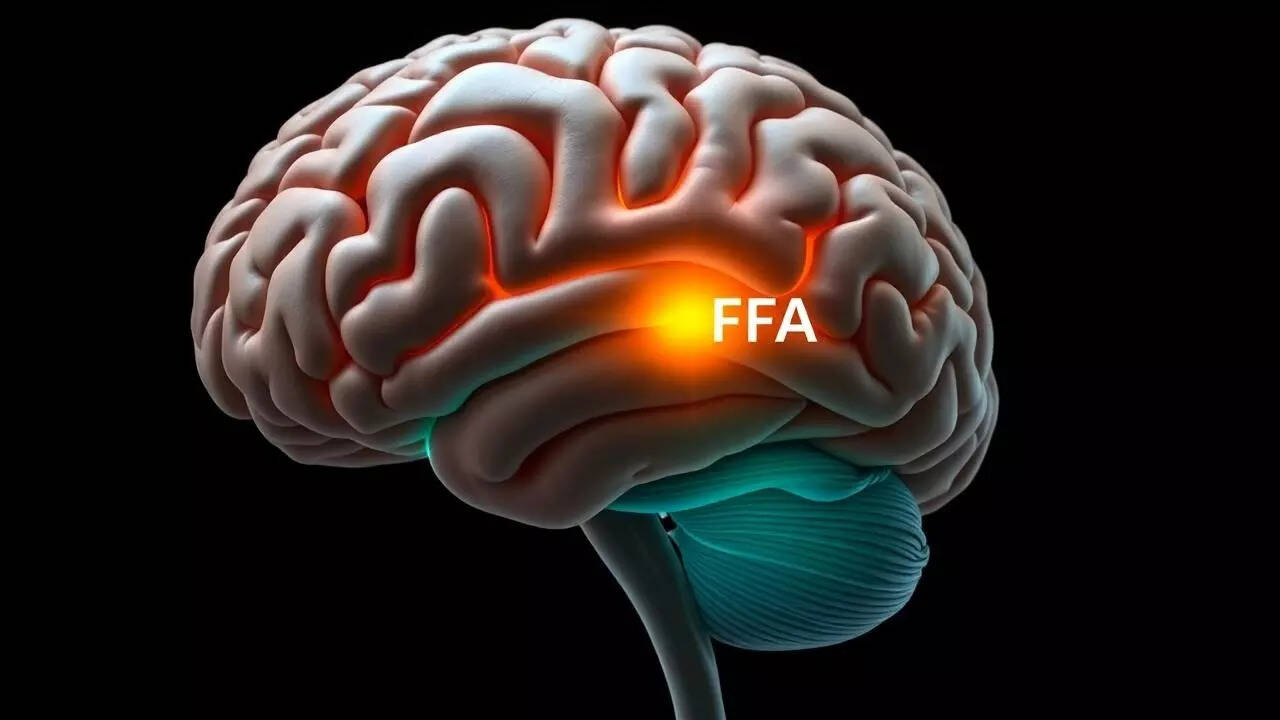
Here’s how and why your brain turns random patterns into familiar human features.
Experts say this is an evolved survival mechanism. Throughout evolution, our ancestors had to detect faces quickly and accurately to assess social cues, threats or trustworthiness. The ability to pick out a face in milliseconds—whether in darkness or camouflage—offered a huge advantage. As a result, our brains developed a hypersensitive face-detection system that sometimes sees faces even when they’re not really there.
Studies using MRI scans have shown that even when subjects see “fake” faces in random shapes, their FFA lights up similarly to when they see a real human face. That means your brain processes a face-like image almost the same way it processes actual people.
According to experts, this reflects how deeply social we are as a species. Our brains are wired to seek emotional meaning even in inanimate objects, as part of an instinctive attempt to make sense of our environment.
Artists and designers sometimes intentionally use pareidolia to evoke emotional responses. Cartoonists, for instance, exaggerate facial expressions on simple shapes to make characters more relatable. Even architecture and car design may subtly play into face-like structures to create friendly or powerful impressions.
This shows that pareidolia is not just a quirky feature of perception—it’s shaped by development, cognition and neural flexibility.
However, in rare cases, heightened pareidolia may also occur in people experiencing certain mental health conditions, like schizophrenia. In such contexts, the brain may over-interpret stimuli in ways that affect reality perception.
The next time you spot a smiling face in a tree trunk or a startled expression in your toast, know that your brain is doing what it has evolved to do—search for faces, meaning and connection. It’s a fascinating glimpse into how our minds constantly interpret the world, often without our conscious awareness.
What may seem like a trick is actually a powerful reminder of just how complex and social the human brain truly is.
Here’s how and why your brain turns random patterns into familiar human features.
What Is Pareidolia and Why Does It Happen?
Pareidolia is a psychological occurrence where people see recognisable shapes—most often faces—in unrelated objects. It’s why people might spot a man on the moon, a smiling potato, or an angry expression on the front of a bag.Experts say this is an evolved survival mechanism. Throughout evolution, our ancestors had to detect faces quickly and accurately to assess social cues, threats or trustworthiness. The ability to pick out a face in milliseconds—whether in darkness or camouflage—offered a huge advantage. As a result, our brains developed a hypersensitive face-detection system that sometimes sees faces even when they’re not really there.
Your Brain's Face-Detection System at Work
In the brain, a region called the fusiform face area (FFA) is responsible for facial recognition. This area is so specialised that it becomes activated not just by real faces, but by any pattern that remotely resembles one.Studies using MRI scans have shown that even when subjects see “fake” faces in random shapes, their FFA lights up similarly to when they see a real human face. That means your brain processes a face-like image almost the same way it processes actual people.
Why We Tend to See Emotions Too
Interestingly, when pareidolia occurs, people don’t just see a face—they often interpret emotion as well. You might say a plug socket looks surprised, or a tree bark looks grumpy. This is because our brain doesn’t just identify the facial structure—it tries to decode the emotional expression behind it, using the same emotional-processing centres used for real human interaction.According to experts, this reflects how deeply social we are as a species. Our brains are wired to seek emotional meaning even in inanimate objects, as part of an instinctive attempt to make sense of our environment.
Pareidolia in Culture, Art and Belief
This tendency to see faces has played a major role in art, religion and culture. People have reported seeing divine figures in food, faces in clouds, or mythical beings in rock formations. Often, these sightings are interpreted as signs or messages, reinforcing deeply held beliefs.You may also like
- Delhi sees over 50 pc rise in heart-related deaths in 2024, toll crosses 3.29 lakh in 20 yrs
 Tanjore paintings: JEEViKA empowers Bihar's Krishna Devi to combine art with livelihood
- Rupee hits record low as Economic Survey flags currency 'paradox'
- Nobody informed us: Deceased flight attendant Pinky Mali's father hurt at 'inhumane' treatment
- Fino Q3: Profit Plummets 47% YoY To INR 12 Cr
Artists and designers sometimes intentionally use pareidolia to evoke emotional responses. Cartoonists, for instance, exaggerate facial expressions on simple shapes to make characters more relatable. Even architecture and car design may subtly play into face-like structures to create friendly or powerful impressions.
Children and the Elderly Experience It Differently
Interestingly, age affects how often and how strongly people experience pareidolia. Young children tend to see more faces in objects, as their brain is still developing filters for visual information. On the other hand, older adults may also experience increased pareidolia due to changes in how their brain interprets sensory input.This shows that pareidolia is not just a quirky feature of perception—it’s shaped by development, cognition and neural flexibility.
Is It a Sign of Creativity or a Problem?
Seeing faces everywhere isn’t a flaw—it’s a natural part of how human brains process the world. In fact, research suggests a link between pareidolia and creativity. People who are more imaginative or open to abstract thinking may experience it more often.However, in rare cases, heightened pareidolia may also occur in people experiencing certain mental health conditions, like schizophrenia. In such contexts, the brain may over-interpret stimuli in ways that affect reality perception.
The next time you spot a smiling face in a tree trunk or a startled expression in your toast, know that your brain is doing what it has evolved to do—search for faces, meaning and connection. It’s a fascinating glimpse into how our minds constantly interpret the world, often without our conscious awareness.
What may seem like a trick is actually a powerful reminder of just how complex and social the human brain truly is.






More from our partners


Loving Newspoint? Download the app now
