
Why Your Cat Targets Your Armchair and How to Redirect Their Natural Instincts Effectively

Walking into your living room to find the corner of your bespoke velvet sofa transformed into a pile of loose threads is a rite of passage for many pet owners. However, before you despair, it is important to understand that your cat isn’t being spiteful. Scratching is a deeply ingrained, biological necessity for felines. They do it to shed the outer husks of their claws, to mark their territory with scent glands in their paws, and to give their bodies a satisfying full-body stretch.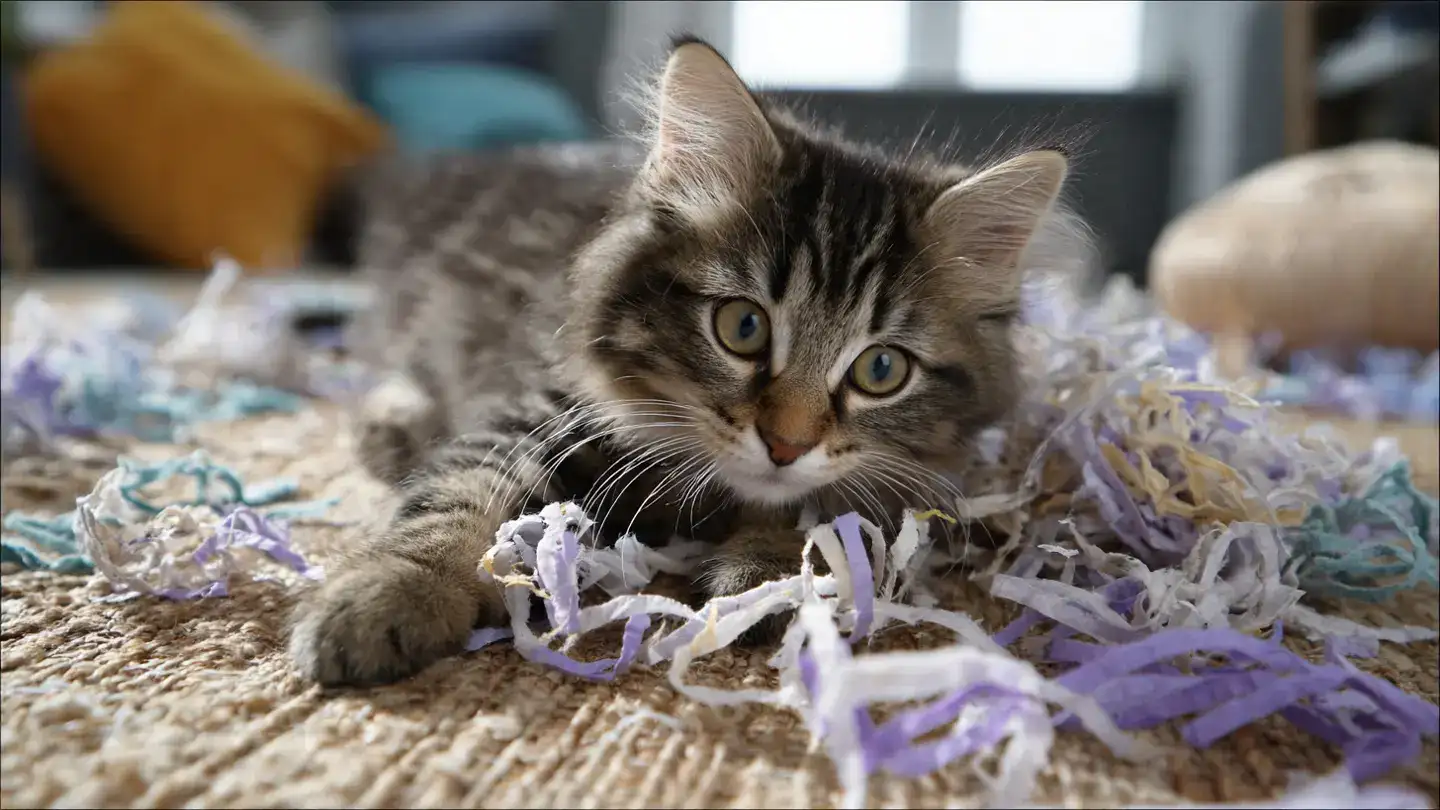
Understanding this motive is the first step if you want to stop your cat from scratching furniture . You cannot stop the act of scratching entirely, as that would be like asking a human to stop clipping their nails or stretching their hamstrings. Instead, the goal is to redirect that energy toward appropriate targets. By working with your cat’s instincts rather than against them, you can create a harmonious home where both your pet and your upholstery can coexist in peace.
Texture is equally important. While many humans prefer the look of carpeted posts, most cats actually prefer sisal rope or corrugated cardboard. These materials allow their claws to sink in and "shred" effectively, which is what they find satisfying. Place these alternatives directly next to the pieces of furniture they currently favour. Once the cat begins using the post regularly, you can slowly migrate it to a more convenient location for your floor plan.
Avoid using harsh punishments or shouting, as this only creates anxiety and can lead to further behavioural issues. Instead, use scent-based deterrents. Many cats dislike the smell of citrus or menthol. A light spritz of a cat-safe repellent on the fabric can make the furniture much less inviting. The aim is to make the sofa "boring" and the scratching post "exciting."
Vertical space is another form of enrichment that helps. Cat trees, window perches, and wall-mounted shelves allow your cat to survey their kingdom from a height. When a cat feels secure and stimulated in their environment, they are far less likely to engage in stress-induced scratching. A happy cat is usually a well-behaved cat, and a little extra play time can go a long way in saving your decor.
You should also keep an eye on the condition of their claws. Regular trimming can reduce the urge to scratch and minimise the damage if they do slip up. If you are uncomfortable clipping their nails yourself, many groomers or veterinary nurses offer this as a quick and affordable service. Keeping the tips blunt makes the "shredding" experience much less rewarding for the cat.
It may take a few weeks for your cat to fully transition to their new habits, so stay patient. Don't remove the protective tape or guards too early; wait until you see them consistently choosing the post over the sofa for at least fourteen days. With a bit of persistence and the right equipment, you can successfully preserve your furniture and maintain a happy, healthy relationship with your feline friend.
Image Courtesy: Meta AI
Understanding this motive is the first step if you want to stop your cat from scratching furniture . You cannot stop the act of scratching entirely, as that would be like asking a human to stop clipping their nails or stretching their hamstrings. Instead, the goal is to redirect that energy toward appropriate targets. By working with your cat’s instincts rather than against them, you can create a harmonious home where both your pet and your upholstery can coexist in peace.
Providing Superior Alternatives
The most common reason cats target furniture is that it offers the perfect resistance and height. To combat this, you must provide feline scratching posts that are actually appealing to a cat. A flimsy post that wobbles when touched will be ignored in favour of a heavy, stable armchair. Ensure any post you buy is tall enough for your cat to fully extend their body and sturdy enough to take their full weight without tipping over.Texture is equally important. While many humans prefer the look of carpeted posts, most cats actually prefer sisal rope or corrugated cardboard. These materials allow their claws to sink in and "shred" effectively, which is what they find satisfying. Place these alternatives directly next to the pieces of furniture they currently favour. Once the cat begins using the post regularly, you can slowly migrate it to a more convenient location for your floor plan.
Protecting Your Assets Temporarily
While you are training your cat to use their new equipment, you may need to protect furniture from cats using physical barriers. Double-sided sticky tape is a fantastic deterrent; cats loathe the sticky sensation on their paw pads and will quickly learn to avoid that specific area. There are also specialised plastic guards that can be pinned to the corners of sofas to create a slick surface that offers no "grip" for questing claws.You may also like
- This American mega city has a unique international status. Can you take a guess?
- “I can't hear….” How this deaf and mute couple in the Himalayas are creating unforgettable memories for travellers
- The couch conundrum: Why your furniture might be stealing your heat
- Mario and Luigi's real-life link: The unexpected family connection you didn't know about
- Trouble Sleeping at Night? Try These 5 Proven Techniques to Fall Asleep Faster
Avoid using harsh punishments or shouting, as this only creates anxiety and can lead to further behavioural issues. Instead, use scent-based deterrents. Many cats dislike the smell of citrus or menthol. A light spritz of a cat-safe repellent on the fabric can make the furniture much less inviting. The aim is to make the sofa "boring" and the scratching post "exciting."
The Role of Feline Enrichment Ideas
Sometimes, destructive scratching is a symptom of boredom or pent-up energy. If your cat doesn't have enough mental stimulation, they may turn to your furniture to create their own entertainment. Incorporating various feline enrichment ideas into your daily routine can significantly reduce unwanted behaviours. Interactive play sessions with wand toys mimic the thrill of the hunt and tire your cat out both physically and mentally.Vertical space is another form of enrichment that helps. Cat trees, window perches, and wall-mounted shelves allow your cat to survey their kingdom from a height. When a cat feels secure and stimulated in their environment, they are far less likely to engage in stress-induced scratching. A happy cat is usually a well-behaved cat, and a little extra play time can go a long way in saving your decor.
Consistent Cat Behaviour Modification
Consistency is the secret ingredient in any successful cat behaviour modification plan. Every time you see your cat move toward the furniture to scratch, gently pick them up and place them next to their post. When they use the post, reward them immediately with a high-value treat or a chin rub. Positive reinforcement is infinitely more powerful than negative feedback in the feline world.You should also keep an eye on the condition of their claws. Regular trimming can reduce the urge to scratch and minimise the damage if they do slip up. If you are uncomfortable clipping their nails yourself, many groomers or veterinary nurses offer this as a quick and affordable service. Keeping the tips blunt makes the "shredding" experience much less rewarding for the cat.
Adapting to Your Cat's Preferences
Pay attention to how your cat scratches. Do they prefer to stretch upwards on a vertical surface, or do they like to get low and scratch horizontally along a rug? If your cat is a horizontal scratcher, a vertical post won't interest them. In this case, flat cardboard scratchers or sisal mats are your best bet. Matching the alternative to their specific style is the most efficient way to protect your home.It may take a few weeks for your cat to fully transition to their new habits, so stay patient. Don't remove the protective tape or guards too early; wait until you see them consistently choosing the post over the sofa for at least fourteen days. With a bit of persistence and the right equipment, you can successfully preserve your furniture and maintain a happy, healthy relationship with your feline friend.
Image Courtesy: Meta AI






More from our partners


Loving Newspoint? Download the app now
