
Why Your Hair Is Getting Damaged Faster Than Before

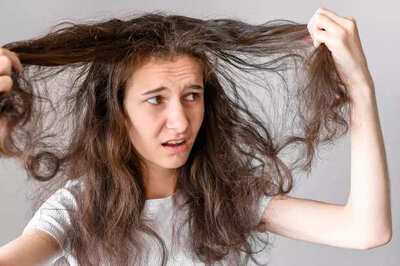
Have you ever noticed that the feel of your hair has changed over the past few years? It can feel scratchy, shatter easily, or appear thinner. The smoothness is short-lived, even after conditioning or oiling. Today, a lot of people are dealing with this issue. Damage to hair appears to occur more quickly now than in the past. In actuality, our way of life has evolved significantly. Compared to previous generations, we use more styling tools, experiment with more chemical treatments, and deal with more pollution. However, nutrition and stress can have an impact on hair health. You can prevent major damage to your hair by being aware of these factors.
Excess Heat Styling Without Protection
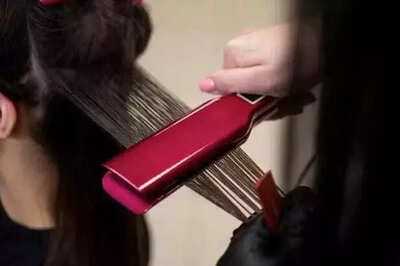
The use of heat styling in daily grooming has become commonplace. For work, school, events, and even informal get-togethers, straighteners, curling irons, and blow dryers are utilized. Although these instruments give hair a polished appearance, continuous exposure to high heat gradually damages the structure of the hair.
Keratin is the protein that makes up hair. This protein starts to degrade when it is frequently exposed to high temperatures. The hair strand's inherent moisture evaporates. Hair gets dry, harsh, and more prone to breaking as a result. Because they believe it is an unnecessary step, many consumers avoid using heat protectant goods. However, direct heat is more harmful when left unprotected. While using a straightener on the highest setting every day may provide quick smoothness, it eventually causes breakage and broken ends. The damage takes time to manifest. It develops gradually. Hair may first feel a little dry. The ends begin to split later. Even the mid-length eventually loses its strength. Lower temperatures and less heat use can have a significant impact.
Chemical Treatments and Frequent Hair Coloring
Chemical treatment is another important factor contributing to accelerated hair deterioration. These days, rebonding, bleaching, smoothing, and coloring hair are all quite popular. It's great to try new hair colors or have sleek, straight hair. However, the internal structure of hair is altered by these events. Particularly severe is bleaching. It weakens the cuticle layer of hair by removing its natural pigment. Hair rapidly loses moisture when the cuticle is damaged. It becomes lifeless and harsh to the touch. Dryness is increased by coloring frequently without allowing enough time between sessions. Every month, some people dye their hair. The strands get thinner and more brittle with time. Breakage might result from even basic combing. The health of the scalp is also impacted by chemical smoothing procedures. They could cause irritation or worse hair loss if done frequently. Hair cannot completely heal itself if chemicals have caused deep harm. To a certain degree, deep conditioning is beneficial, but severely damaged hair may require clipping. It's crucial to consider long-term implications before undergoing any chemical treatment. A short-term hairstyle shouldn't result in long-term hair damage.
Pollution, Sun Exposure, and Hard Water
The harm to the environment is more severe now than ever. In several cities, pollution levels have risen. Every day, hazardous particles, smoke, and dust land on hair. These particles give hair a harsh, lifeless appearance. Sun exposure is another factor. UV rays have an impact on hair just like they do on skin. Dryness and deterioration of the outer layer might result from prolonged exposure. Your hair may lose its natural luster more quickly if you travel a lot or spend a lot of time outside. Another unspoken factor is hard water. High concentrations of minerals like calcium and magnesium can be found in tap water in many places. Hair strands accumulate these minerals. Hair becomes heavy, dry, and challenging to manage over time. Hair may not feel silky or clean even after washing. Hair appears lifeless when mineral deposits and product accumulation are combined. This issue can be lessened by installing a water filter or periodically using a light clarifying shampoo. Because environmental harm occurs gradually, it frequently goes undiscovered. However, regular exposure without protection can hasten the degeneration of hair.
Poor Diet and Stress

External maintenance is not the sole factor that affects hair health. Hair growth is also influenced by your diet and emotional state. Low protein consumption, processed foods, and irregular meals are common features of the modern lifestyle. Iron, protein, and other vitamins are necessary for healthy hair growth. Hair weakens from the ground up if the body does not receive enough nutrients. There may be an increase in shedding. Hormonal imbalance and iron deficiency are frequent causes of abrupt hair loss. Another significant factor is stress. The body is impacted by ongoing mental stress in a variety of ways. It may interfere with the cycle of natural hair growth. More hair enters the shedding phase when stress levels stay elevated for extended periods of time. Many people disregard their food and mental wellness in favor of shampoos and oils. Hair health can be improved from the inside out by drinking plenty of water, eating well-balanced meals, and reducing stress through exercise or rest. The foundation of healthy hair is the body. Internal weaknesses cannot be fixed by external products alone.
Small Changes Can Make a Big DifferenceThere are multiple factors contributing to the increased rate of hair damage. Heat, chemicals, pollution, and lifestyle choices all play a part. Though handy, modern living is sometimes taxing on our hair. The good news is that your hair may be protected with minor adjustments. Use a protectant at all times and minimize heat styling. Steer clear of regular chemical treatments. When exposed to intense sunlight, cover your hair, and after exposure to pollutants, carefully wash it. Boost your nutrition and control your stress. Hair takes time to recover. It requires patience and regular attention. Strength and luster can be gradually restored by treating your hair with patience and gentleness.
Discover expert advice and the latest updates in Skin Care, Hair Care, Wellness, Dermatology, and more at Stay Young guide to lasting beauty and holistic health!
Frequently Asked Questions (FAQs) 1. Why is my hair getting damaged even after regular oiling?
Oiling helps with moisture, but it cannot fully protect hair from heat styling, chemical treatments, pollution, or poor diet. If damage is caused by internal weakness or excessive heat, oil alone will not solve the problem.
2. How often should I use heat styling tools?
It is better to limit heat styling to special occasions. If you must use it, keep the temperature low and always apply a heat protectant to reduce protein damage and dryness.
3. Can damaged hair become healthy again?
Severely damaged hair cannot completely repair itself because hair is made of dead protein cells. However, deep conditioning, trimming split ends, and avoiding further damage can improve its appearance and strength.
4. Does pollution really affect hair health?
Yes. Dust, smoke, and harmful particles settle on hair and make it rough and dull. Long term exposure can weaken strands and irritate the scalp if not cleaned properly.
5. Can stress cause hair damage or hair fall?
Yes. High stress levels can disturb the natural hair growth cycle. This may lead to increased shedding and weaker roots over time. Managing stress and maintaining a balanced diet supports healthier hair growth.
Excess Heat Styling Without Protection
Frequent use of straighteners and blow dryers can dry out hair and cause split ends over time.
The use of heat styling in daily grooming has become commonplace. For work, school, events, and even informal get-togethers, straighteners, curling irons, and blow dryers are utilized. Although these instruments give hair a polished appearance, continuous exposure to high heat gradually damages the structure of the hair.
Chemical Treatments and Frequent Hair Coloring
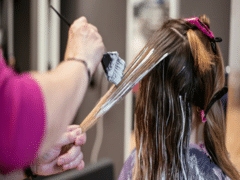
Frequent bleaching, coloring, and smoothing can weaken the hair cuticle, leading to dryness, breakage, and long-term damage.
Chemical treatment is another important factor contributing to accelerated hair deterioration. These days, rebonding, bleaching, smoothing, and coloring hair are all quite popular. It's great to try new hair colors or have sleek, straight hair. However, the internal structure of hair is altered by these events. Particularly severe is bleaching. It weakens the cuticle layer of hair by removing its natural pigment. Hair rapidly loses moisture when the cuticle is damaged. It becomes lifeless and harsh to the touch. Dryness is increased by coloring frequently without allowing enough time between sessions. Every month, some people dye their hair. The strands get thinner and more brittle with time. Breakage might result from even basic combing. The health of the scalp is also impacted by chemical smoothing procedures. They could cause irritation or worse hair loss if done frequently. Hair cannot completely heal itself if chemicals have caused deep harm. To a certain degree, deep conditioning is beneficial, but severely damaged hair may require clipping. It's crucial to consider long-term implications before undergoing any chemical treatment. A short-term hairstyle shouldn't result in long-term hair damage.
Pollution, Sun Exposure, and Hard Water
The harm to the environment is more severe now than ever. In several cities, pollution levels have risen. Every day, hazardous particles, smoke, and dust land on hair. These particles give hair a harsh, lifeless appearance. Sun exposure is another factor. UV rays have an impact on hair just like they do on skin. Dryness and deterioration of the outer layer might result from prolonged exposure. Your hair may lose its natural luster more quickly if you travel a lot or spend a lot of time outside. Another unspoken factor is hard water. High concentrations of minerals like calcium and magnesium can be found in tap water in many places. Hair strands accumulate these minerals. Hair becomes heavy, dry, and challenging to manage over time. Hair may not feel silky or clean even after washing. Hair appears lifeless when mineral deposits and product accumulation are combined. This issue can be lessened by installing a water filter or periodically using a light clarifying shampoo. Because environmental harm occurs gradually, it frequently goes undiscovered. However, regular exposure without protection can hasten the degeneration of hair.
Poor Diet and Stress
Balanced nutrition, proper hydration, and stress management are essential for maintaining strong, healthy hair from within.
External maintenance is not the sole factor that affects hair health. Hair growth is also influenced by your diet and emotional state. Low protein consumption, processed foods, and irregular meals are common features of the modern lifestyle. Iron, protein, and other vitamins are necessary for healthy hair growth. Hair weakens from the ground up if the body does not receive enough nutrients. There may be an increase in shedding. Hormonal imbalance and iron deficiency are frequent causes of abrupt hair loss. Another significant factor is stress. The body is impacted by ongoing mental stress in a variety of ways. It may interfere with the cycle of natural hair growth. More hair enters the shedding phase when stress levels stay elevated for extended periods of time. Many people disregard their food and mental wellness in favor of shampoos and oils. Hair health can be improved from the inside out by drinking plenty of water, eating well-balanced meals, and reducing stress through exercise or rest. The foundation of healthy hair is the body. Internal weaknesses cannot be fixed by external products alone.
Small Changes Can Make a Big DifferenceThere are multiple factors contributing to the increased rate of hair damage. Heat, chemicals, pollution, and lifestyle choices all play a part. Though handy, modern living is sometimes taxing on our hair. The good news is that your hair may be protected with minor adjustments. Use a protectant at all times and minimize heat styling. Steer clear of regular chemical treatments. When exposed to intense sunlight, cover your hair, and after exposure to pollutants, carefully wash it. Boost your nutrition and control your stress. Hair takes time to recover. It requires patience and regular attention. Strength and luster can be gradually restored by treating your hair with patience and gentleness.
Discover expert advice and the latest updates in Skin Care, Hair Care, Wellness, Dermatology, and more at Stay Young guide to lasting beauty and holistic health!
Frequently Asked Questions (FAQs) 1. Why is my hair getting damaged even after regular oiling?
Oiling helps with moisture, but it cannot fully protect hair from heat styling, chemical treatments, pollution, or poor diet. If damage is caused by internal weakness or excessive heat, oil alone will not solve the problem.
It is better to limit heat styling to special occasions. If you must use it, keep the temperature low and always apply a heat protectant to reduce protein damage and dryness.
3. Can damaged hair become healthy again?
Severely damaged hair cannot completely repair itself because hair is made of dead protein cells. However, deep conditioning, trimming split ends, and avoiding further damage can improve its appearance and strength.
Yes. Dust, smoke, and harmful particles settle on hair and make it rough and dull. Long term exposure can weaken strands and irritate the scalp if not cleaned properly.
5. Can stress cause hair damage or hair fall?
Yes. High stress levels can disturb the natural hair growth cycle. This may lead to increased shedding and weaker roots over time. Managing stress and maintaining a balanced diet supports healthier hair growth.
Next Story