
Why Your Parrot Is Plucking Its Feathers - And How to Help

Parrots captivate us with their vibrant feathers, sharp minds, and emotional bonds. So when a beloved parrot starts pulling out its own feathers, it’s heartbreaking, and often misunderstood. Feather plucking isn’t just a quirky habit or boredom; it’s a silent cry for help.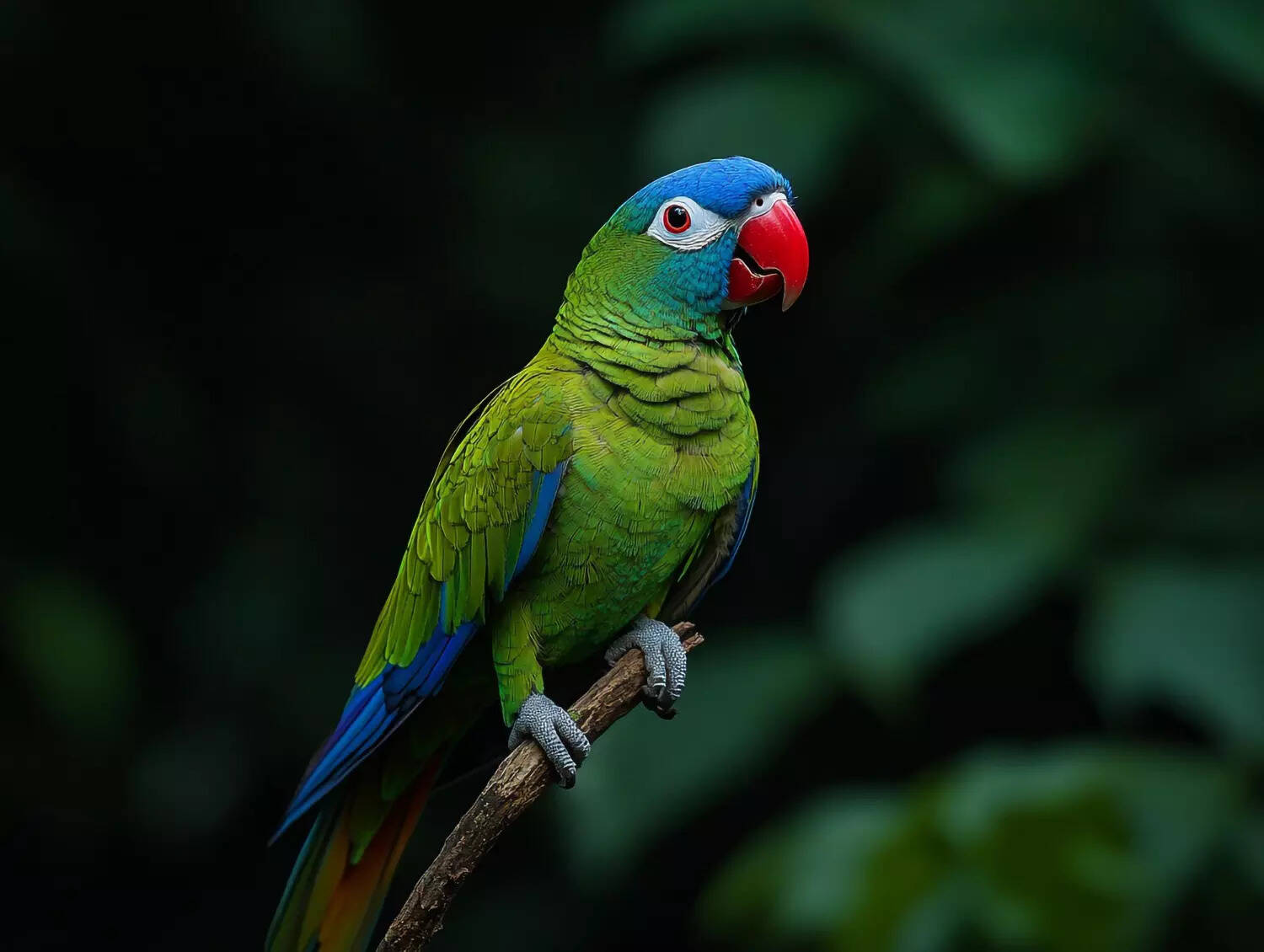
What Feather Plucking Really Is
Feather plucking happens when a parrot pulls out or chews its feathers, sometimes even damaging the skin. It usually starts slowly, a feather here, a bald patch there, but can worsen over time. Unlike normal grooming, feather plucking signals that something is wrong physically, emotionally, or environmentally.Emotional Stress Is a Leading Cause
Parrots are social, emotional creatures. In the wild, they live in flocks and form lifelong bonds. Alone in a cage for long hours, they can feel abandoned. Loneliness, lack of interaction, or sudden absence of their trusted human can trigger feather plucking as a coping mechanism.Boredom Harms Mental Health
Highly intelligent species like African Greys, Macaws, and Cockatoos need stimulation. Without toys, puzzles, or challenges, boredom can lead to frustration, stress, and self-destructive habits. Feather plucking becomes a way to release pent-up energy.Anxiety and Fear Matter More Than You Think
Parrots are sensitive to noise, changes in the home, or new pets. Stressful events—like moving, losing a companion, or frequent disruptions, can trigger plucking. A bird that feels unsafe may turn to its feathers for comfort.Hormones Can Add to the Problem
Breeding seasons, sexual frustration, or territorial behaviors can make parrots more prone to plucking. Over-petting, artificial lighting, or irregular sleep cycles may worsen hormonal stress, leading to self-destructive behavior.Diet Affects Feathers and Mood
A seed-only diet can deprive parrots of vitamins, minerals, and fatty acids, weakening feathers and causing skin irritation. Nutritional deficiencies may also lead to low energy, irritability, and depression, fueling feather plucking.Medical Issues Should Never Be Ignored
Feather plucking can be a response to discomfort from skin infections, mites, allergies, or internal conditions like liver or thyroid problems. If a parrot is in pain, it may pluck to relieve itself since it can’t communicate discomfort verbally.Past Trauma Leaves a Mark
Parrots with histories of neglect, improper handling, or frequent rehoming often continue plucking even in loving homes. Trauma leaves emotional scars that require patient care and rebuilding trust.You may also like
 WaveX invites applications from startups for 'India AI Summit' next month
 Stock markets snap 3-day rally dragged by metal, IT stocks
 Bhavnath Mahashivratri fair to be grand and memorable: Gujarat Dy CM
- Akshay Kumar's son Aarav is too softhearted says wife Twinkle: 'People took advantage….'
 Paytm Shares Plunge About 5% Despite Strong Q3 Performance
Social Isolation Can Be Deadly
Parrots need connection. Lack of interaction or long hours alone can trigger feather plucking. Single-bird households should ensure daily socialization, talking, out-of-cage time, and observation of household activities to keep parrots emotionally healthy.Overdependence on One Human Can Backfire
While strong bonds are beautiful, over-attachment can cause anxiety when that person is away. Balanced bonding, allowing independence while providing security, is key to emotional stability.Environment Matters
Small cages, poor lighting, lack of ventilation, and constant noise can cause stress. Parrots thrive with space to climb, explore, natural light, and rotated toys. A stimulating environment reduces feather-plucking triggers.Why Feather Plucking Becomes Habitual
Plucking releases endorphins, giving temporary relief. Even after the original stressor is gone, parrots may continue the behavior. Early intervention, patience, and understanding are essential; scolding only makes it worse.Helping Your Parrot Heal
Start with a vet check to rule out medical causes. Improve diet, social interaction, and environment. Provide mental stimulation through toys, foraging, and training. Maintain routines, consistent sleep, and minimize stress. Healing takes time, empathy, and patience.Love Isn’t Always Enough
Affection alone won’t stop plucking. Parrots need stimulation, structure, respect for instincts, and emotional security. Recognizing plucking as communication rather than misbehavior is crucial.When to Seek Professional Help
Severe or persistent feather plucking warrants an avian vet or bird behavior specialist. They can identify hidden triggers and recommend tailored strategies to restore your parrot’s health and happiness.Listen to Your Parrot
Feather plucking is not defiance, it’s pain. Every missing feather carries a message. With awareness, patience, and compassion, parrots can recover and find joy again. Understanding their silent language may be the greatest act of love you offer.





More from our partners


Loving Newspoint? Download the app now
