
Why Your Stomach Feels Stuck And the Foods That Fix It Fast


There are days when your stomach just does not feel right. You feel full, heavy, and uncomfortable, but nothing seems to move. It can affect your mood, your energy, and even your focus. Many people face this problem but ignore it or depend on quick fixes. The truth is, your digestion depends a lot on what you eat and how you live your daily life. Small habits and food choices play a big role. In this article, we will understand why your stomach feels stuck and what simple foods and habits can help you feel light and normal again.

Reasons Your Digestion Is Slowing Down

Before fixing the problem, it is important to understand what is causing it. One of the most common reasons is low fiber intake. If your meals mostly include refined food like white bread, packaged snacks, or fast food, your body does not get enough fiber to support smooth digestion. Another major reason is not drinking enough water. Your digestive system needs water to break down food and move waste easily. When your body is dehydrated, everything slows down. A sedentary lifestyle also affects digestion. If you sit for long hours and do not move much, your gut also becomes slow. Movement helps your intestines work better. Stress is another hidden reason. When you are stressed, your body focuses less on digestion. This can lead to bloating, discomfort, and irregular bowel movement. Understanding these reasons helps you see that the problem is not random. It is often linked to everyday habits.
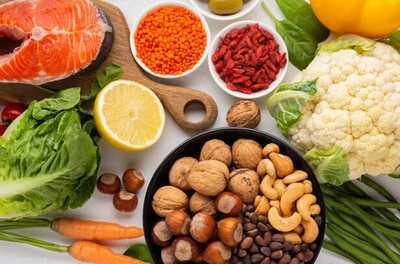
Foods That Get Things Moving Fast (Natural Relief)The good news is that certain foods can naturally help your stomach feel better and support bowel movement. Fiber-rich foods are the first thing you should focus on. Oats, whole grains, fruits like apples and bananas, and vegetables like spinach and carrots are great choices. Fiber adds bulk to your stool and makes it easier to pass. Some foods work like natural laxatives. Prunes are one of the most popular options. They contain natural compounds that support digestion. Flaxseeds are also helpful. You can add them to your meals or take them with water. Hydrating foods are equally important. Foods like cucumber, watermelon, and oranges have high water content. They help keep your digestive system active and prevent dryness. Curd or yogurt can also support gut health because it contains good bacteria. These bacteria help balance your digestive system and improve overall function. The key is consistency. Eating these foods once in a while may not help much. But adding them to your daily routine can make a big difference.
Worst Foods That Make It Worse

While adding the right foods is important, avoiding the wrong ones is just as necessary. Processed foods are one of the biggest problems. Items like chips, instant noodles, and packaged snacks often lack fiber and contain unhealthy fats. These foods slow down digestion and can make you feel more bloated. Fried foods are also hard to digest. They take longer to break down in the stomach and can create a feeling of heaviness. Eating them regularly can worsen the problem. Excess dairy can be an issue for some people. Milk, cheese, and cream may cause discomfort or constipation, especially if your body does not digest lactose well. Sugary foods and drinks can also affect your gut. They may disturb the balance of good bacteria and lead to digestive issues. Being mindful of these foods does not mean you have to avoid them completely. But reducing their intake can help your stomach feel much lighter and more comfortable.
Simple Daily Habits That Boost Bowel MovementAlong with food, your daily habits play a big role in how your digestion works. Starting your day with warm water can help activate your digestive system. It is a simple habit but very effective. Some people also add a few drops of lemon for better results. Regular meal timing is another important factor. Eating at the same time every day helps your body follow a natural rhythm. Irregular eating patterns can confuse your digestive system. Physical activity is also necessary. You do not need intense workouts. Even a 20 to 30 minute walk can help your gut move better. Movement encourages your intestines to do their job properly. Listening to your body is important too. Do not ignore the urge to go to the bathroom. Delaying it can make the problem worse over time. Sleep also affects digestion. Poor sleep can slow down your body functions, including your gut. Try to maintain a proper sleep routine. These habits may seem small, but together they create a strong impact. They help your body work naturally without depending on medicines.
Small Changes, Big Relief for Your Gut
A stuck stomach is uncomfortable, but it is often a sign that your body needs better care. Simple changes in your diet and lifestyle can bring noticeable relief. By understanding the reasons behind slow digestion, choosing the right foods, avoiding harmful ones, and building healthy habits, you can improve your gut health step by step. The goal is not perfection but consistency. When you take care of your digestion daily, your body responds in a positive way. Over time, you will feel lighter, more active, and more in control of your health.
Discover expert advice and the latest updates in Skin Care, Hair Care, Wellness, Dermatology, and more at Stay Young guide to lasting beauty and holistic health!
Frequently Asked Question (FAQs) 1. What causes the feeling of a stuck stomach?
A stuck stomach is usually caused by low fiber intake, dehydration, lack of physical activity, or stress. These factors slow down digestion and make bowel movement difficult.
2. Which foods help relieve constipation quickly?
Foods like prunes, oats, flaxseeds, fruits, and green vegetables help improve bowel movement. Hydrating foods like cucumber and watermelon also support digestion.
3. How much water should I drink for better digestion?
Drinking around 7 to 8 glasses of water daily can help keep your digestive system active and prevent constipation.
4. Which foods should I avoid when feeling constipated?
You should limit processed foods, fried items, excess dairy, and sugary snacks as they can slow down digestion and worsen the problem.
5. When should I see a doctor for constipation?
If constipation lasts for several days, causes severe pain, or happens frequently, it is better to consult a doctor for proper guidance.
Reasons Your Digestion Is Slowing Down
Low fiber, less water, and inactive habits can slow down your digestion without you realizing it.
Before fixing the problem, it is important to understand what is causing it. One of the most common reasons is low fiber intake. If your meals mostly include refined food like white bread, packaged snacks, or fast food, your body does not get enough fiber to support smooth digestion. Another major reason is not drinking enough water. Your digestive system needs water to break down food and move waste easily. When your body is dehydrated, everything slows down. A sedentary lifestyle also affects digestion. If you sit for long hours and do not move much, your gut also becomes slow. Movement helps your intestines work better. Stress is another hidden reason. When you are stressed, your body focuses less on digestion. This can lead to bloating, discomfort, and irregular bowel movement. Understanding these reasons helps you see that the problem is not random. It is often linked to everyday habits.
Foods That Get Things Moving Fast (Natural Relief)The good news is that certain foods can naturally help your stomach feel better and support bowel movement. Fiber-rich foods are the first thing you should focus on. Oats, whole grains, fruits like apples and bananas, and vegetables like spinach and carrots are great choices. Fiber adds bulk to your stool and makes it easier to pass. Some foods work like natural laxatives. Prunes are one of the most popular options. They contain natural compounds that support digestion. Flaxseeds are also helpful. You can add them to your meals or take them with water. Hydrating foods are equally important. Foods like cucumber, watermelon, and oranges have high water content. They help keep your digestive system active and prevent dryness. Curd or yogurt can also support gut health because it contains good bacteria. These bacteria help balance your digestive system and improve overall function. The key is consistency. Eating these foods once in a while may not help much. But adding them to your daily routine can make a big difference.
Worst Foods That Make It Worse
Processed, fried, and sugary foods can slow your gut and leave you feeling heavy and bloated.
While adding the right foods is important, avoiding the wrong ones is just as necessary. Processed foods are one of the biggest problems. Items like chips, instant noodles, and packaged snacks often lack fiber and contain unhealthy fats. These foods slow down digestion and can make you feel more bloated. Fried foods are also hard to digest. They take longer to break down in the stomach and can create a feeling of heaviness. Eating them regularly can worsen the problem. Excess dairy can be an issue for some people. Milk, cheese, and cream may cause discomfort or constipation, especially if your body does not digest lactose well. Sugary foods and drinks can also affect your gut. They may disturb the balance of good bacteria and lead to digestive issues. Being mindful of these foods does not mean you have to avoid them completely. But reducing their intake can help your stomach feel much lighter and more comfortable.
Simple Daily Habits That Boost Bowel MovementAlong with food, your daily habits play a big role in how your digestion works. Starting your day with warm water can help activate your digestive system. It is a simple habit but very effective. Some people also add a few drops of lemon for better results. Regular meal timing is another important factor. Eating at the same time every day helps your body follow a natural rhythm. Irregular eating patterns can confuse your digestive system. Physical activity is also necessary. You do not need intense workouts. Even a 20 to 30 minute walk can help your gut move better. Movement encourages your intestines to do their job properly. Listening to your body is important too. Do not ignore the urge to go to the bathroom. Delaying it can make the problem worse over time. Sleep also affects digestion. Poor sleep can slow down your body functions, including your gut. Try to maintain a proper sleep routine. These habits may seem small, but together they create a strong impact. They help your body work naturally without depending on medicines.
Small Changes, Big Relief for Your Gut
Small daily changes can improve digestion and help you feel active, light, and comfortable.
A stuck stomach is uncomfortable, but it is often a sign that your body needs better care. Simple changes in your diet and lifestyle can bring noticeable relief. By understanding the reasons behind slow digestion, choosing the right foods, avoiding harmful ones, and building healthy habits, you can improve your gut health step by step. The goal is not perfection but consistency. When you take care of your digestion daily, your body responds in a positive way. Over time, you will feel lighter, more active, and more in control of your health.
Discover expert advice and the latest updates in Skin Care, Hair Care, Wellness, Dermatology, and more at Stay Young guide to lasting beauty and holistic health!
Frequently Asked Question (FAQs) 1. What causes the feeling of a stuck stomach?
A stuck stomach is usually caused by low fiber intake, dehydration, lack of physical activity, or stress. These factors slow down digestion and make bowel movement difficult.
Foods like prunes, oats, flaxseeds, fruits, and green vegetables help improve bowel movement. Hydrating foods like cucumber and watermelon also support digestion.
3. How much water should I drink for better digestion?
Drinking around 7 to 8 glasses of water daily can help keep your digestive system active and prevent constipation.
You should limit processed foods, fried items, excess dairy, and sugary snacks as they can slow down digestion and worsen the problem.
5. When should I see a doctor for constipation?
If constipation lasts for several days, causes severe pain, or happens frequently, it is better to consult a doctor for proper guidance.
Next Story