
World’s Most Expensive Food Ingredients That Cost More Than Gold

When people think about luxury food, the first image that often comes to mind is a fine dining restaurant. Elegant interiors, carefully plated dishes and a long tasting menu prepared by a famous chef. But in many cases, the real luxury in food lies not in the restaurant but in the ingredients themselves.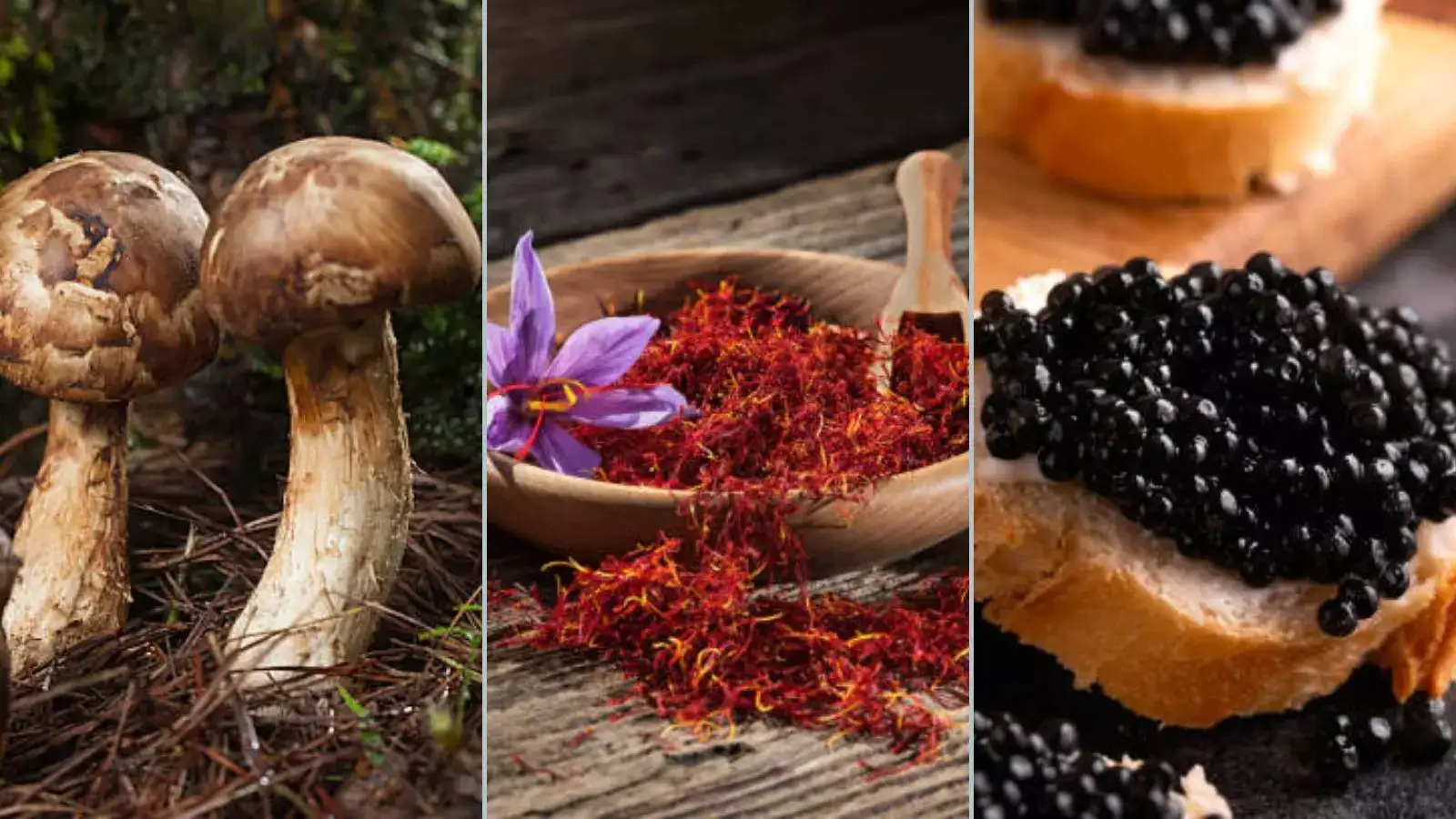
Across the world, there are certain foods that have become famous for their rarity and remarkable price. Some of these ingredients grow only in very specific climates. Others take years, or even decades, before they are ready to be harvested. A few are difficult to cultivate and must be found in the wild, making them even more valuable.
Because of these factors, their prices can reach extraordinary levels. In some cases, these foods cost more per gram than precious metals. While most people may never cook with them at home, their stories reveal how fascinating and diverse the world of food can be.
Here are five of the most expensive food ingredients in the world and the reasons behind their high value.
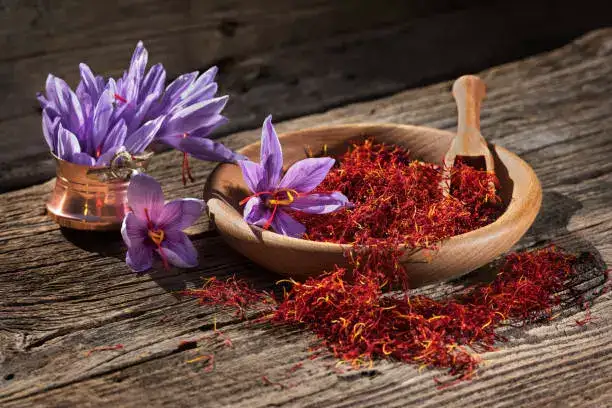
Saffron is widely known as the most expensive spice in the world. It comes from the delicate purple flower called Crocus sativus. While the flower itself looks simple, the valuable part lies in the thin red threads inside it.
Each flower produces only three tiny threads of saffron. To collect them, farmers must carefully hand pick the flowers and remove the threads one by one. It takes thousands of flowers to produce even a small quantity of saffron.
This labour intensive harvesting process is the main reason for its high price. High quality saffron can cost anywhere between ₹400 and ₹1,500 per gram depending on its origin and quality.
In cooking, saffron is prized for its vibrant golden colour, rich aroma and subtle flavour. It is commonly used in dishes such as biryani, paella and certain desserts, where even a small pinch can transform the dish.
Matsutake Mushrooms: A Rare Treasure of the Forest
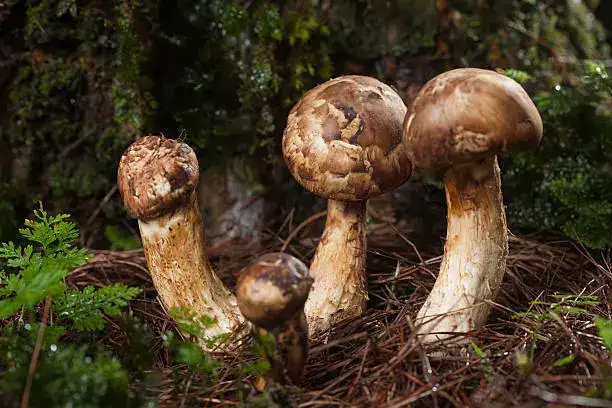
Matsutake mushrooms are considered a prized delicacy in Japan and several parts of East Asia. What makes them so valuable is how difficult they are to find.
Unlike many other mushrooms, matsutake cannot easily be cultivated on farms. They grow naturally in forests near specific types of pine trees, which are usually more than two decades old. Because of this, they depend heavily on natural forest conditions.
Foragers must search forest floors during a short harvest season to find them. Sometimes it takes hours of searching to discover just a few mushrooms. This limited availability has made them extremely valuable.
In Japan, matsutake mushrooms also hold cultural importance. They are sometimes given as prestigious seasonal gifts and are associated with traditional autumn cuisine.
Kopi Luwak: The Coffee with a Unique Story
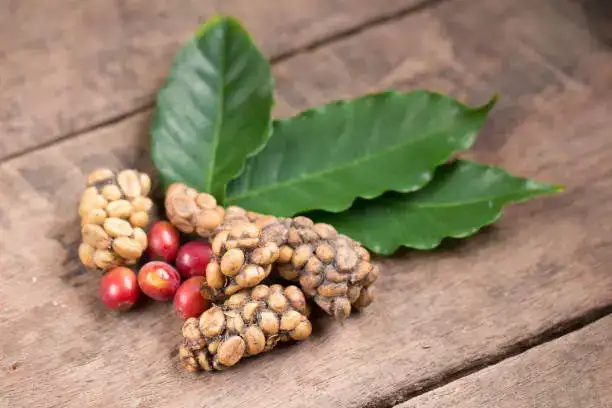
Kopi Luwak is one of the most unusual and famous coffees in the world, mainly because of how the beans are processed.
The beans come from coffee cherries eaten by the Asian palm civet, a small mammal that lives in parts of Southeast Asia. After the cherries pass through the animal’s digestive system, the beans are collected, cleaned and roasted.
This natural fermentation process is believed to change the flavour of the beans. Coffee enthusiasts often describe Kopi Luwak as smoother and less acidic than regular coffee, with earthy flavours and hints of chocolate or caramel.
Because the production process is slow and the supply is limited, the price is high. Farmed Kopi Luwak generally costs around ₹4,500 to ₹9,000 per kilogram, while coffee collected from wild civets can sell for over ₹27,000 per kilogram.
Beluga Caviar: A Delicacy That Requires Patience
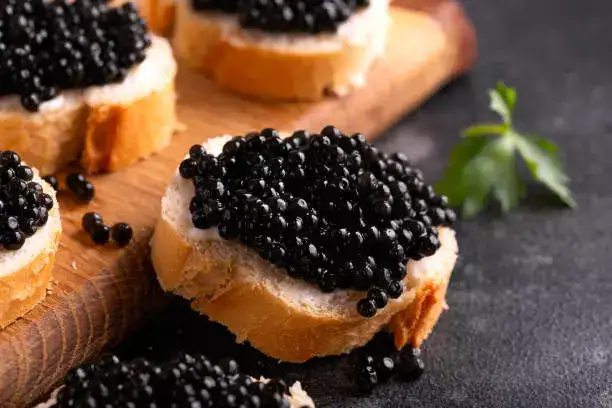
Beluga caviar is made from the eggs of the beluga sturgeon, a large fish found mainly in the Caspian Sea. It is considered one of the most luxurious seafood delicacies in the world.
One of the main reasons for its high cost is the long time it takes for the fish to mature. Beluga sturgeon can take around 20 years before they begin producing eggs suitable for harvesting.
This slow natural process limits supply and makes the caviar extremely valuable. Overfishing in the past has also reduced wild populations, further increasing its rarity.
Beluga caviar is known for its large, soft eggs and creamy texture. The flavour is delicate with mild nutty notes, making it a favourite in high end cuisine. Prices typically range from ₹56,000 to ₹85,000 for just 100 grams.
White Alba Truffles: Italy’s Hidden Culinary Gem
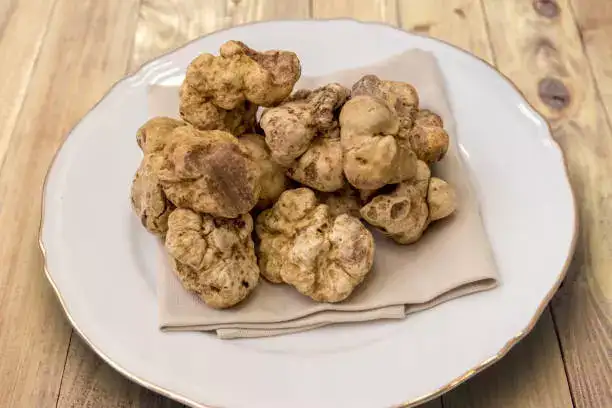
White Alba truffles are among the rarest and most prized fungi in the culinary world. They grow underground in the Piedmont region of Italy, usually near the roots of trees such as oak, poplar, hazelnut and linden.
Unlike some other truffles, White Alba truffles cannot be cultivated. They must be found in the wild, hidden beneath the soil. Truffle hunters often rely on specially trained dogs to detect their strong aroma underground.
Because they are difficult to find and available only during a short season, their prices can be extremely high. White Alba truffles can cost between ₹2 lakh and ₹4 lakh per kilogram depending on their size, quality and harvest conditions.
Chefs usually shave thin slices of these truffles over pasta, risotto or eggs just before serving so their powerful aroma remains intact.
Why Rare Foods Become So Expensive
When we look at many of the world’s most expensive ingredients, a common pattern appears. Most of them depend heavily on nature and time. Climate conditions, forest ecosystems, ocean environments and slow growth cycles all play an important role.
From saffron threads carefully harvested by hand to truffles hidden deep in forest soil, these ingredients require patience and effort long before they reach the kitchen.
While most people may never regularly cook with such ingredients, their stories continue to attract curiosity. They remind us that behind every extraordinary dish, there is often a long journey shaped by tradition, nature and remarkable craftsmanship.
Across the world, there are certain foods that have become famous for their rarity and remarkable price. Some of these ingredients grow only in very specific climates. Others take years, or even decades, before they are ready to be harvested. A few are difficult to cultivate and must be found in the wild, making them even more valuable.
Because of these factors, their prices can reach extraordinary levels. In some cases, these foods cost more per gram than precious metals. While most people may never cook with them at home, their stories reveal how fascinating and diverse the world of food can be.
Here are five of the most expensive food ingredients in the world and the reasons behind their high value.
Saffron: The World’s Most Precious Spice
Saffron is widely known as the most expensive spice in the world. It comes from the delicate purple flower called Crocus sativus. While the flower itself looks simple, the valuable part lies in the thin red threads inside it.
Each flower produces only three tiny threads of saffron. To collect them, farmers must carefully hand pick the flowers and remove the threads one by one. It takes thousands of flowers to produce even a small quantity of saffron.
This labour intensive harvesting process is the main reason for its high price. High quality saffron can cost anywhere between ₹400 and ₹1,500 per gram depending on its origin and quality.
In cooking, saffron is prized for its vibrant golden colour, rich aroma and subtle flavour. It is commonly used in dishes such as biryani, paella and certain desserts, where even a small pinch can transform the dish.
Matsutake Mushrooms: A Rare Treasure of the Forest
Matsutake mushrooms are considered a prized delicacy in Japan and several parts of East Asia. What makes them so valuable is how difficult they are to find.
Unlike many other mushrooms, matsutake cannot easily be cultivated on farms. They grow naturally in forests near specific types of pine trees, which are usually more than two decades old. Because of this, they depend heavily on natural forest conditions.
Foragers must search forest floors during a short harvest season to find them. Sometimes it takes hours of searching to discover just a few mushrooms. This limited availability has made them extremely valuable.
In Japan, matsutake mushrooms also hold cultural importance. They are sometimes given as prestigious seasonal gifts and are associated with traditional autumn cuisine.
Kopi Luwak: The Coffee with a Unique Story
Kopi Luwak is one of the most unusual and famous coffees in the world, mainly because of how the beans are processed.
The beans come from coffee cherries eaten by the Asian palm civet, a small mammal that lives in parts of Southeast Asia. After the cherries pass through the animal’s digestive system, the beans are collected, cleaned and roasted.
This natural fermentation process is believed to change the flavour of the beans. Coffee enthusiasts often describe Kopi Luwak as smoother and less acidic than regular coffee, with earthy flavours and hints of chocolate or caramel.
Because the production process is slow and the supply is limited, the price is high. Farmed Kopi Luwak generally costs around ₹4,500 to ₹9,000 per kilogram, while coffee collected from wild civets can sell for over ₹27,000 per kilogram.
Beluga Caviar: A Delicacy That Requires Patience
Beluga caviar is made from the eggs of the beluga sturgeon, a large fish found mainly in the Caspian Sea. It is considered one of the most luxurious seafood delicacies in the world.
One of the main reasons for its high cost is the long time it takes for the fish to mature. Beluga sturgeon can take around 20 years before they begin producing eggs suitable for harvesting.
This slow natural process limits supply and makes the caviar extremely valuable. Overfishing in the past has also reduced wild populations, further increasing its rarity.
Beluga caviar is known for its large, soft eggs and creamy texture. The flavour is delicate with mild nutty notes, making it a favourite in high end cuisine. Prices typically range from ₹56,000 to ₹85,000 for just 100 grams.
White Alba Truffles: Italy’s Hidden Culinary Gem
White Alba truffles are among the rarest and most prized fungi in the culinary world. They grow underground in the Piedmont region of Italy, usually near the roots of trees such as oak, poplar, hazelnut and linden.
Unlike some other truffles, White Alba truffles cannot be cultivated. They must be found in the wild, hidden beneath the soil. Truffle hunters often rely on specially trained dogs to detect their strong aroma underground.
Because they are difficult to find and available only during a short season, their prices can be extremely high. White Alba truffles can cost between ₹2 lakh and ₹4 lakh per kilogram depending on their size, quality and harvest conditions.
Chefs usually shave thin slices of these truffles over pasta, risotto or eggs just before serving so their powerful aroma remains intact.
Why Rare Foods Become So Expensive
When we look at many of the world’s most expensive ingredients, a common pattern appears. Most of them depend heavily on nature and time. Climate conditions, forest ecosystems, ocean environments and slow growth cycles all play an important role. From saffron threads carefully harvested by hand to truffles hidden deep in forest soil, these ingredients require patience and effort long before they reach the kitchen.
While most people may never regularly cook with such ingredients, their stories continue to attract curiosity. They remind us that behind every extraordinary dish, there is often a long journey shaped by tradition, nature and remarkable craftsmanship.
Next Story