
World’s Most Expensive Rice Costs ₹12,000 Per Kg: Here’s Why It’s So Special

Rice is usually seen as one of the most affordable staple foods across the world. It is bought in large quantities, cooked daily, and rarely associated with luxury. But there is one exception that completely changes this perception.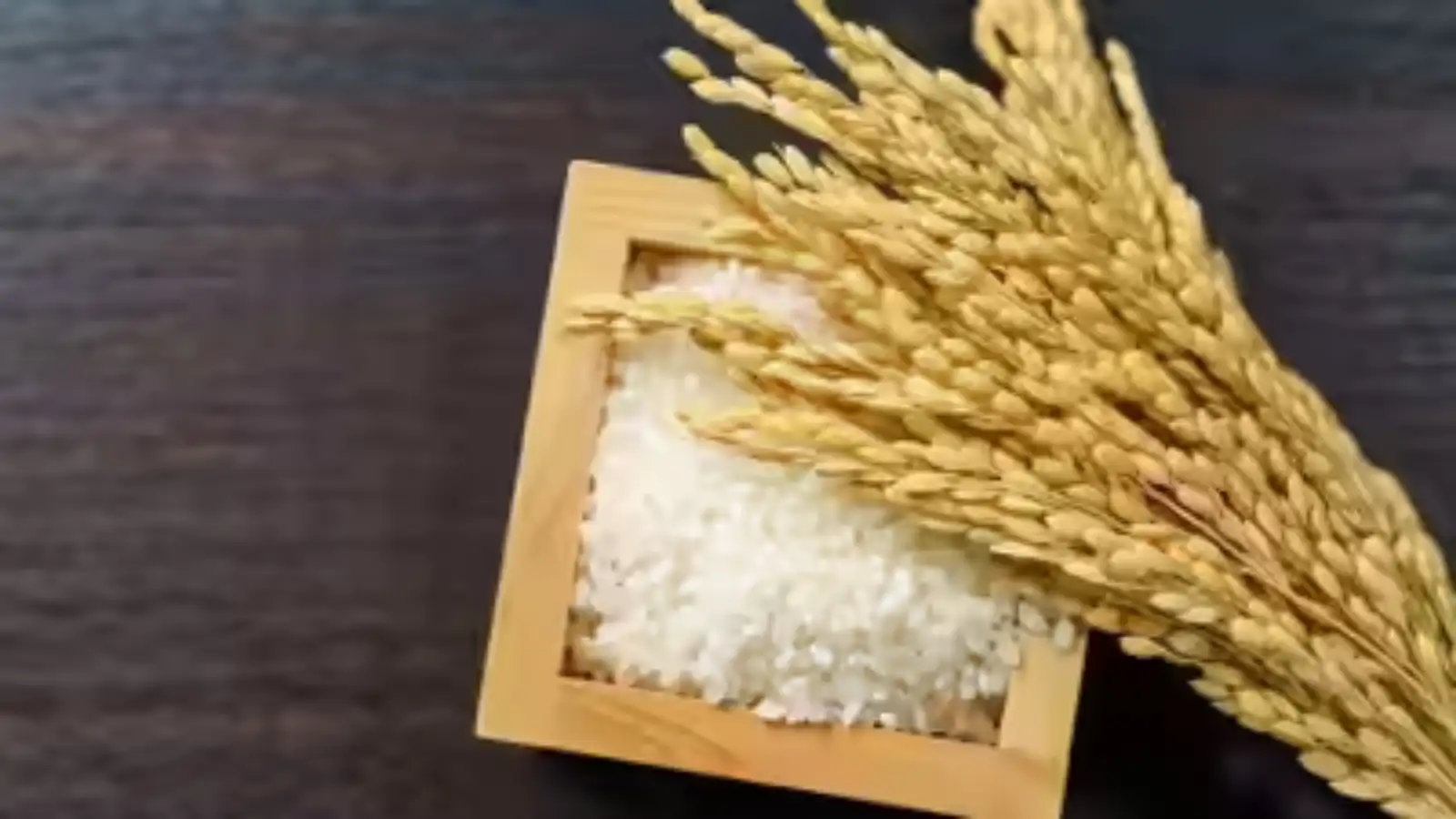
In Japan, a special variety of rice has earned global attention for being priced higher than premium meat and even aged wine. Known as the most expensive rice in the world, this rare grain is not just food - it is considered a luxury experience.
Kinmemai Premium: The Most Expensive Rice in the World
The title of the most expensive rice in the world goes to Kinmemai Premium rice, developed in Japan by the Toyo Rice Corporation .
In 2016, it officially entered the record books after being recognised by Guinness World Records for its extraordinary price. At that time, it was valued at around $109 per kilogram, making headlines worldwide.
Today, its price has increased further, reaching nearly $120–$122 per kilogram, which is approximately ₹10,000–₹12,000 per kg in 2026. To put this in perspective, regular white rice typically costs only a fraction of this amount.
Even a small quantity of this luxury rice can cost as much as an entire meal at a high-end restaurant.
What Makes Kinmemai Premium Rice So Special?
The most expensive rice in the world is not costly by chance. Its value comes from a combination of rare ingredients, careful selection, and advanced processing techniques.
Instead of using a single rice variety, the producers blend five award-winning rice types from different regions of Japan. This unique combination creates a grain that is:
The result is a premium-quality rice designed not just for nutrition, but for culinary enjoyment at the highest level.
Why It Takes Six Months Before It Reaches Your Plate
One of the biggest reasons Kinmemai Premium stands out as the most expensive rice in the world is its unusual ageing process.
Most rice is milled and sold quickly after harvesting. However, this luxury rice follows a very different journey. After harvesting, the grains are stored and allowed to mature for nearly six months before milling begins.
Why is this ageing important?
During this resting period:
This slow maturation process is similar to how fine cheese or premium meats are aged to enhance taste and quality.
The Secret Layer Most Rice Producers Remove
Most people assume white rice is simply the inner part of the grain. However, there is a delicate layer between the outer husk and the core known as the sub-aleurone layer.
In standard rice production, this layer is usually removed during milling. But what makes the most expensive rice in the world unique is that this layer is carefully preserved.
Why does this layer matter?
The sub-aleurone layer:
By protecting this layer, Kinmemai Premium rice delivers a richer taste and more complex flavour profile than ordinary rice.
Interestingly, it also improves water absorption, meaning the rice cooks evenly and develops a soft yet structured texture.
No-Wash Rice: A Modern Japanese Innovation
Another unique feature of this luxury rice is that it does not require washing before cooking.
In most cases, rice is washed to remove excess starch and impurities. But Kinmemai Premium is designed using advanced milling technology that eliminates unnecessary surface elements while preserving flavour.
Washing it would actually reduce its taste and nutritional value. This makes it a true example of modern Japanese food engineering, where convenience meets premium quality.
Advanced Technology Behind the High Price
The reason Kinmemai Premium is considered the most expensive rice in the world is not just rarity—it is also technology.
Traditional rice milling uses friction, which generates heat and can damage nutrients. In contrast, Toyo Rice Corporation uses a specialised “de-waxing” process”.
This system:
This level of precision is rarely seen in food processing, which adds significantly to the production cost.
Nutritional Value Beyond Ordinary Rice
Kinmemai Premium is not just about taste - it also offers enhanced nutritional benefits.
Research suggests it contains:
These qualities make it more than just a carbohydrate source. It is positioned as a functional luxury food.
Why This Rice Is Considered a Luxury Food
The most expensive rice in the world is not meant for everyday consumption. It is crafted for people who see food as an experience rather than just nourishment.
Its high price is driven by:
All of these factors combine to create a product that stands at the intersection of food science, tradition, and luxury.
Kinmemai Premium rice has redefined how people look at a simple staple food. What was once ordinary has been transformed into a luxury item through innovation, patience, and precision.
While most of the world continues to view rice as an everyday necessity, this Japanese creation proves that even the simplest grain can become the most expensive rice in the world when science and craftsmanship come together.
In Japan, a special variety of rice has earned global attention for being priced higher than premium meat and even aged wine. Known as the most expensive rice in the world, this rare grain is not just food - it is considered a luxury experience.
Kinmemai Premium: The Most Expensive Rice in the World
The title of the most expensive rice in the world goes to Kinmemai Premium rice, developed in Japan by the Toyo Rice Corporation .
In 2016, it officially entered the record books after being recognised by Guinness World Records for its extraordinary price. At that time, it was valued at around $109 per kilogram, making headlines worldwide.
Today, its price has increased further, reaching nearly $120–$122 per kilogram, which is approximately ₹10,000–₹12,000 per kg in 2026. To put this in perspective, regular white rice typically costs only a fraction of this amount.
Even a small quantity of this luxury rice can cost as much as an entire meal at a high-end restaurant.
What Makes Kinmemai Premium Rice So Special?
The most expensive rice in the world is not costly by chance. Its value comes from a combination of rare ingredients, careful selection, and advanced processing techniques.
Instead of using a single rice variety, the producers blend five award-winning rice types from different regions of Japan. This unique combination creates a grain that is:
- Naturally sweeter
- Softer and fluffier in texture
- Rich in aroma and taste
The result is a premium-quality rice designed not just for nutrition, but for culinary enjoyment at the highest level.
Why It Takes Six Months Before It Reaches Your Plate
One of the biggest reasons Kinmemai Premium stands out as the most expensive rice in the world is its unusual ageing process.
Most rice is milled and sold quickly after harvesting. However, this luxury rice follows a very different journey. After harvesting, the grains are stored and allowed to mature for nearly six months before milling begins.
Why is this ageing important?
During this resting period:
- The flavour deepens naturally
- The texture becomes richer and more refined
- The grains develop a creamy yet firm consistency when cooked
This slow maturation process is similar to how fine cheese or premium meats are aged to enhance taste and quality.
The Secret Layer Most Rice Producers Remove
Most people assume white rice is simply the inner part of the grain. However, there is a delicate layer between the outer husk and the core known as the sub-aleurone layer.
In standard rice production, this layer is usually removed during milling. But what makes the most expensive rice in the world unique is that this layer is carefully preserved.
Why does this layer matter?
The sub-aleurone layer:
- Contains natural flavour compounds
- Enhances sweetness and aroma
- Holds important nutrients and “umami” elements
By protecting this layer, Kinmemai Premium rice delivers a richer taste and more complex flavour profile than ordinary rice.
Interestingly, it also improves water absorption, meaning the rice cooks evenly and develops a soft yet structured texture.
No-Wash Rice: A Modern Japanese Innovation
Another unique feature of this luxury rice is that it does not require washing before cooking.
In most cases, rice is washed to remove excess starch and impurities. But Kinmemai Premium is designed using advanced milling technology that eliminates unnecessary surface elements while preserving flavour.
Washing it would actually reduce its taste and nutritional value. This makes it a true example of modern Japanese food engineering, where convenience meets premium quality.
Advanced Technology Behind the High Price
The reason Kinmemai Premium is considered the most expensive rice in the world is not just rarity—it is also technology.
Traditional rice milling uses friction, which generates heat and can damage nutrients. In contrast, Toyo Rice Corporation uses a specialised “de-waxing” process”.
This system:
You may also like
- Unique Business: Woman Sells Breast Milk to Bodybuilders
- Credit Card Applications: Applying Too Frequently Can Damage Your Credit Score and Loan Approval Chances
- Transform Your Life with This Unique Pigeon Feather Ritual
- Market Volatility: Should You Invest via Lump Sum or SIP? Experts Share the Right Formula
- New Labour Codes Implemented: Double Overtime Pay, Stronger Worker Rights and Major Benefits for Gig Employees
- Gently removes only the outer wax layer
- Protects internal nutrients and flavour
- Uses machines that adjust based on each grain’s thickness
This level of precision is rarely seen in food processing, which adds significantly to the production cost.
Nutritional Value Beyond Ordinary Rice
Kinmemai Premium is not just about taste - it also offers enhanced nutritional benefits.
Research suggests it contains:
- Higher levels of Vitamin B1, B6, and Vitamin E
- Increased natural compounds that support immune health
- Around six times more beneficial lipopolysaccharides compared to standard rice
These qualities make it more than just a carbohydrate source. It is positioned as a functional luxury food.
Why This Rice Is Considered a Luxury Food
The most expensive rice in the world is not meant for everyday consumption. It is crafted for people who see food as an experience rather than just nourishment.
Its high price is driven by:
- Rare blended rice varieties
- Long ageing process
- Precision milling technology
- Limited production from select Japanese regions like Niigata and Nagano
All of these factors combine to create a product that stands at the intersection of food science, tradition, and luxury.
Kinmemai Premium rice has redefined how people look at a simple staple food. What was once ordinary has been transformed into a luxury item through innovation, patience, and precision.
While most of the world continues to view rice as an everyday necessity, this Japanese creation proves that even the simplest grain can become the most expensive rice in the world when science and craftsmanship come together.






More from our partners


Loving Newspoint? Download the app now
