
World’s Only Nation With Over 3,400 Buildings Above 150 Metres

When it comes to towering skylines and modern urban development, China has emerged as the undisputed global leader. The country now holds the record for having the highest number of skyscrapers in the world, with more than 3,400 buildings standing over 150 metres tall. From futuristic cityscapes to engineering marvels, China’s rapid rise in skyscraper construction has transformed its major cities into symbols of economic growth and technological progress.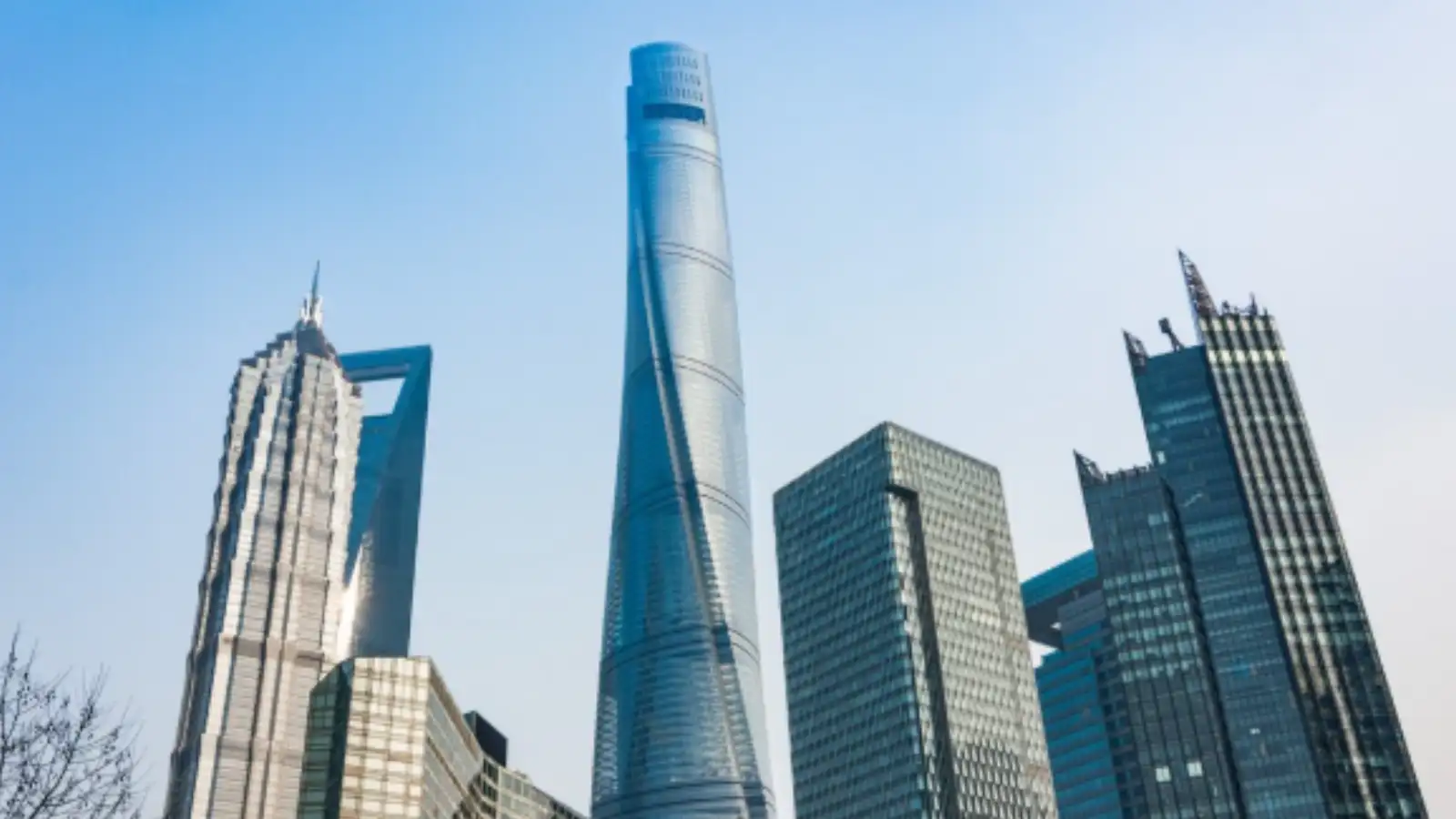
China Has the Highest Number of Skyscrapers in the World
According to data compiled by the World Population Review, China tops the global list for the number of tall buildings exceeding 150 metres in height. The report highlights the country’s unmatched dominance in high-rise construction.
China reportedly has:
These figures place China far ahead of other countries in terms of skyscraper development.
Shanghai Tower Is China’s Tallest Building
Among China’s many iconic skyscrapers, the Shanghai Tower stands as the tallest. The twisting supertall skyscraper has become one of the most recognisable landmarks in the country and reflects China’s advancement in architecture and engineering.
Located in Shanghai, the tower is known for its futuristic design, observation decks, and sustainable construction features.
Why Skyscrapers Are Important for Modern Cities
Skyscrapers are more than just tall buildings. They represent economic strength, urban expansion, and technological innovation. As cities continue to grow in population, vertical construction helps maximise limited land space while accommodating offices, apartments, hotels, shopping centres, and commercial establishments.
Over the years, skyscrapers have evolved into architectural masterpieces that combine luxury, functionality, and sustainability.
United States Ranks Behind China in Tall Buildings
The United States remains one of the world’s leading nations for skyscrapers, although it trails far behind China in total numbers.
Reports suggest that the US has:
Cities such as New York City and Chicago continue to be famous for their impressive skylines and historic skyscrapers.
UAE Is Home to the World’s Tallest Building
The United Arab Emirates is another major player in the skyscraper race. The country is home to the iconic Burj Khalifa, which remains the tallest building in the world.
The UAE also features the towering Marina 101, known for its remarkable height and luxury design.
According to reports, the UAE has:
Apart from China, the United States, and the UAE, several Asian countries also feature prominently in global skyscraper rankings. Countries such as Malaysia, Japan, and South Korea have continued investing heavily in high-rise urban development.
Their modern skylines showcase a blend of advanced engineering, smart city planning, and cutting-edge architecture.
China’s Skyline Continues to Grow
China’s dominance in skyscraper construction reflects its rapid urbanisation and economic rise over the past few decades. Cities across the country continue to add new high-rise buildings, reshaping skylines and redefining modern architecture.
With thousands of skyscrapers already standing and more under development, China remains the world’s undisputed skyscraper capital.
China Has the Highest Number of Skyscrapers in the World
According to data compiled by the World Population Review, China tops the global list for the number of tall buildings exceeding 150 metres in height. The report highlights the country’s unmatched dominance in high-rise construction.
China reportedly has:
- More than 3,400 buildings taller than 150 metres
- Over 1,200 buildings exceeding 200 metres
- Around 122 skyscrapers taller than 300 metres
These figures place China far ahead of other countries in terms of skyscraper development.
Shanghai Tower Is China’s Tallest Building
Among China’s many iconic skyscrapers, the Shanghai Tower stands as the tallest. The twisting supertall skyscraper has become one of the most recognisable landmarks in the country and reflects China’s advancement in architecture and engineering.
Located in Shanghai, the tower is known for its futuristic design, observation decks, and sustainable construction features.
Why Skyscrapers Are Important for Modern Cities
Skyscrapers are more than just tall buildings. They represent economic strength, urban expansion, and technological innovation. As cities continue to grow in population, vertical construction helps maximise limited land space while accommodating offices, apartments, hotels, shopping centres, and commercial establishments.
Over the years, skyscrapers have evolved into architectural masterpieces that combine luxury, functionality, and sustainability.
United States Ranks Behind China in Tall Buildings
The United States remains one of the world’s leading nations for skyscrapers, although it trails far behind China in total numbers.
Reports suggest that the US has:
- Around 900 buildings taller than 150 metres
- Approximately 246 buildings over 200 metres
- Nearly 30 skyscrapers exceeding 300 metres
Cities such as New York City and Chicago continue to be famous for their impressive skylines and historic skyscrapers.
UAE Is Home to the World’s Tallest Building
The United Arab Emirates is another major player in the skyscraper race. The country is home to the iconic Burj Khalifa, which remains the tallest building in the world.
The UAE also features the towering Marina 101, known for its remarkable height and luxury design.
According to reports, the UAE has:
- More than 340 buildings above 150 metres
- Around 158 buildings taller than 200 metres
- Other Countries With Large Numbers of Skyscrapers
Apart from China, the United States, and the UAE, several Asian countries also feature prominently in global skyscraper rankings. Countries such as Malaysia, Japan, and South Korea have continued investing heavily in high-rise urban development.
Their modern skylines showcase a blend of advanced engineering, smart city planning, and cutting-edge architecture.
China’s Skyline Continues to Grow
China’s dominance in skyscraper construction reflects its rapid urbanisation and economic rise over the past few decades. Cities across the country continue to add new high-rise buildings, reshaping skylines and redefining modern architecture.
With thousands of skyscrapers already standing and more under development, China remains the world’s undisputed skyscraper capital.
Next Story