
Chaitra Navratri 2026: Can Auspicious Ceremonies Be Performed During Navratri?

Chaitra Navratri 2026 will begin on March 19, 2026, marking the start of one of the most sacred Hindu festivals dedicated to Goddess Durga. During these nine spiritually significant days, devotees worship the nine forms of the Goddess and seek blessings for prosperity, happiness, and well-being. However, many people often wonder whether auspicious ceremonies such as weddings, housewarming, or mundan can be performed during this period. Here is what religious beliefs and traditions say.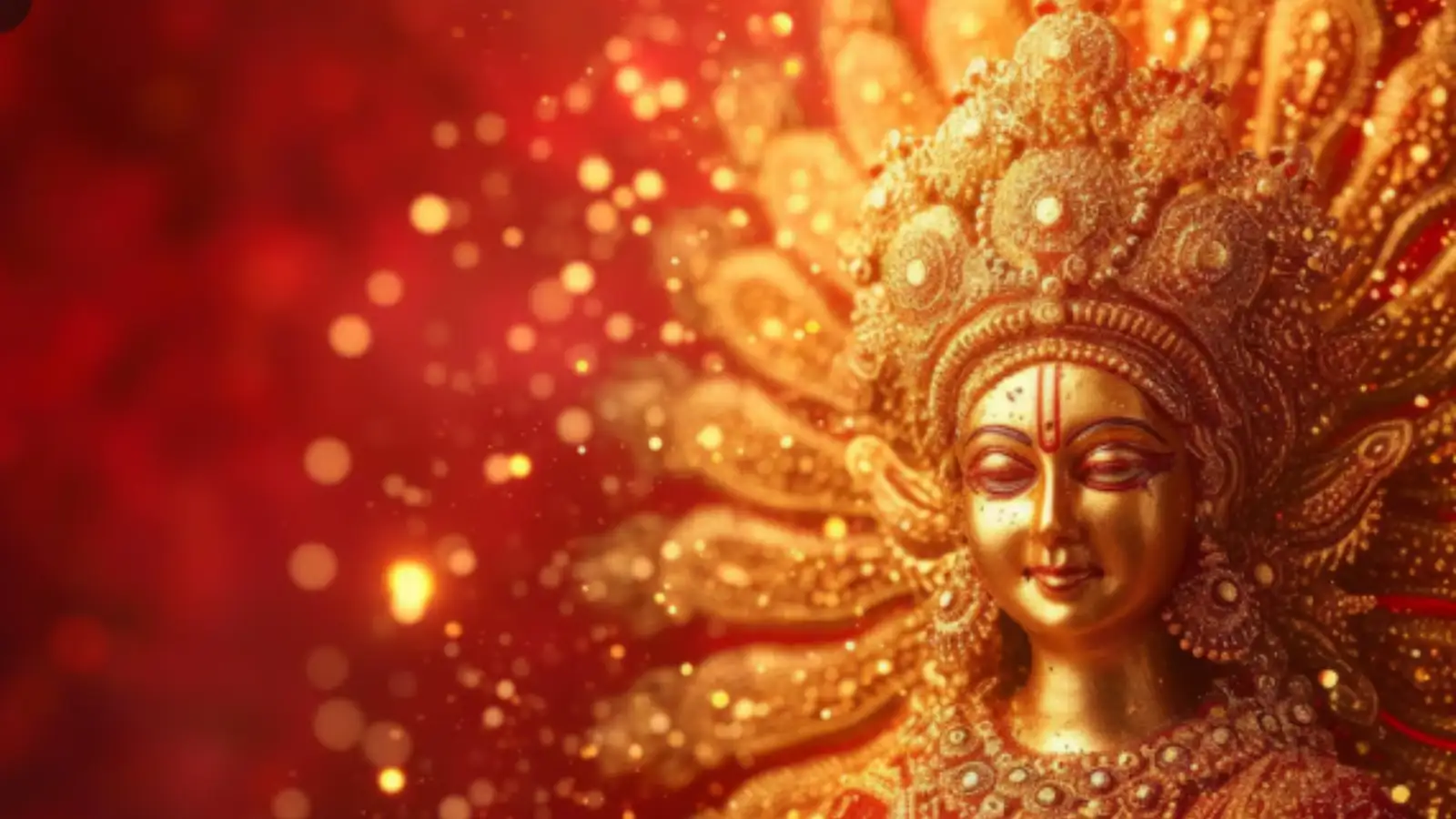
When Does Chaitra Navratri 2026 Begin?
Chaitra Navratri begins on the Pratipada (first day) of the Shukla Paksha in the Hindu month of Chaitra. The festival continues for nine days, ending with Ram Navami.
In 2026, Chaitra Navratri will start on March 19. Throughout the festival, devotees observe fasts, perform special prayers, and worship the nine divine manifestations of Goddess Durga. The period is considered highly sacred for spiritual growth and devotion.
Why Navratri Is Considered Spiritually Important
The nine days of Navratri are dedicated to devotion, meditation, and spiritual awakening. Devotees offer prayers to the Goddess to remove negativity from life and invite peace, prosperity, and strength.
Because this time is associated with intense spiritual practices, it is traditionally reserved for worship rather than celebrations or material festivities.
Are Auspicious Ceremonies Allowed During Navratri?
According to Hindu traditions, some auspicious activities may be performed during Navratri, while others are avoided.
Ceremonies that are generally considered acceptable during Navratri include:
However, marriages are usually not performed during Navratri. The primary reason is that these nine days are meant for devotion and spiritual discipline, while marriage ceremonies are associated with celebration and worldly enjoyment.
What Is Kharmas and Why Does It Matter?
Another important factor influencing auspicious ceremonies during Chaitra Navratri 2026 is the Kharmas period.
Kharmas occurs when the Sun enters the zodiac signs Sagittarius (Dhanu) or Pisces (Meena). This period happens twice every year and is considered astrologically unsuitable for major auspicious events.
In 2026, Kharmas will begin on March 15 and continue until mid-April. Since Chaitra Navratri falls within this time frame, it affects the timing of certain ceremonies.
Can Housewarming or Mundan Be Performed During Navratri 2026?
Although Navratri itself is considered auspicious, the presence of Kharmas in 2026 changes the situation.
Because Kharmas starts on March 15, just a few days before Chaitra Navratri begins, many auspicious ceremonies - including housewarming (Griha Pravesh) and mundan rituals - are generally avoided during this time.
The reason is that during Kharmas, the influence of the Sun and Jupiter is believed to weaken, making it astrologically unfavourable for major life events.
Chaitra Navratri 2026, starting on March 19, is a deeply sacred time dedicated to worship and spiritual practices. While some small beginnings or religious rituals may be acceptable, major ceremonies such as marriages and housewarming are typically avoided this year due to the Kharmas period. Devotees are encouraged to focus on prayer, fasting, and seeking the blessings of Goddess Durga during these nine auspicious days.
When Does Chaitra Navratri 2026 Begin?
Chaitra Navratri begins on the Pratipada (first day) of the Shukla Paksha in the Hindu month of Chaitra. The festival continues for nine days, ending with Ram Navami.
In 2026, Chaitra Navratri will start on March 19. Throughout the festival, devotees observe fasts, perform special prayers, and worship the nine divine manifestations of Goddess Durga. The period is considered highly sacred for spiritual growth and devotion.
Why Navratri Is Considered Spiritually Important
The nine days of Navratri are dedicated to devotion, meditation, and spiritual awakening. Devotees offer prayers to the Goddess to remove negativity from life and invite peace, prosperity, and strength.
Because this time is associated with intense spiritual practices, it is traditionally reserved for worship rather than celebrations or material festivities.
Are Auspicious Ceremonies Allowed During Navratri?
According to Hindu traditions, some auspicious activities may be performed during Navratri, while others are avoided.
Ceremonies that are generally considered acceptable during Navratri include:
- Beginning a new business or project
- Performing mundan (head-shaving ceremony)
- Conducting housewarming rituals in certain situations
However, marriages are usually not performed during Navratri. The primary reason is that these nine days are meant for devotion and spiritual discipline, while marriage ceremonies are associated with celebration and worldly enjoyment.
What Is Kharmas and Why Does It Matter?
Another important factor influencing auspicious ceremonies during Chaitra Navratri 2026 is the Kharmas period.
Kharmas occurs when the Sun enters the zodiac signs Sagittarius (Dhanu) or Pisces (Meena). This period happens twice every year and is considered astrologically unsuitable for major auspicious events.
In 2026, Kharmas will begin on March 15 and continue until mid-April. Since Chaitra Navratri falls within this time frame, it affects the timing of certain ceremonies.
Can Housewarming or Mundan Be Performed During Navratri 2026?
Although Navratri itself is considered auspicious, the presence of Kharmas in 2026 changes the situation.
Because Kharmas starts on March 15, just a few days before Chaitra Navratri begins, many auspicious ceremonies - including housewarming (Griha Pravesh) and mundan rituals - are generally avoided during this time.
The reason is that during Kharmas, the influence of the Sun and Jupiter is believed to weaken, making it astrologically unfavourable for major life events.
Chaitra Navratri 2026, starting on March 19, is a deeply sacred time dedicated to worship and spiritual practices. While some small beginnings or religious rituals may be acceptable, major ceremonies such as marriages and housewarming are typically avoided this year due to the Kharmas period. Devotees are encouraged to focus on prayer, fasting, and seeking the blessings of Goddess Durga during these nine auspicious days.






More from our partners


Loving Newspoint? Download the app now
