
Chaitra Navratri 2026 Fasting Rules: Essential Guidelines Devotees Should Follow

Chaitra Navratri 2026 fasting rules are an important aspect of the sacred nine-day festival dedicated to Goddess Durga. In 2026, Chaitra Navratri will begin on 19 March and devotees across the country will worship the nine divine forms of the Goddess with prayers, rituals and fasting. While many people keep fasts for the entire nine days, some observe fasting only on the first day and on Durga Ashtami. Even if the fast is observed only on these two days, certain religious guidelines must be followed to ensure the fast is spiritually meaningful.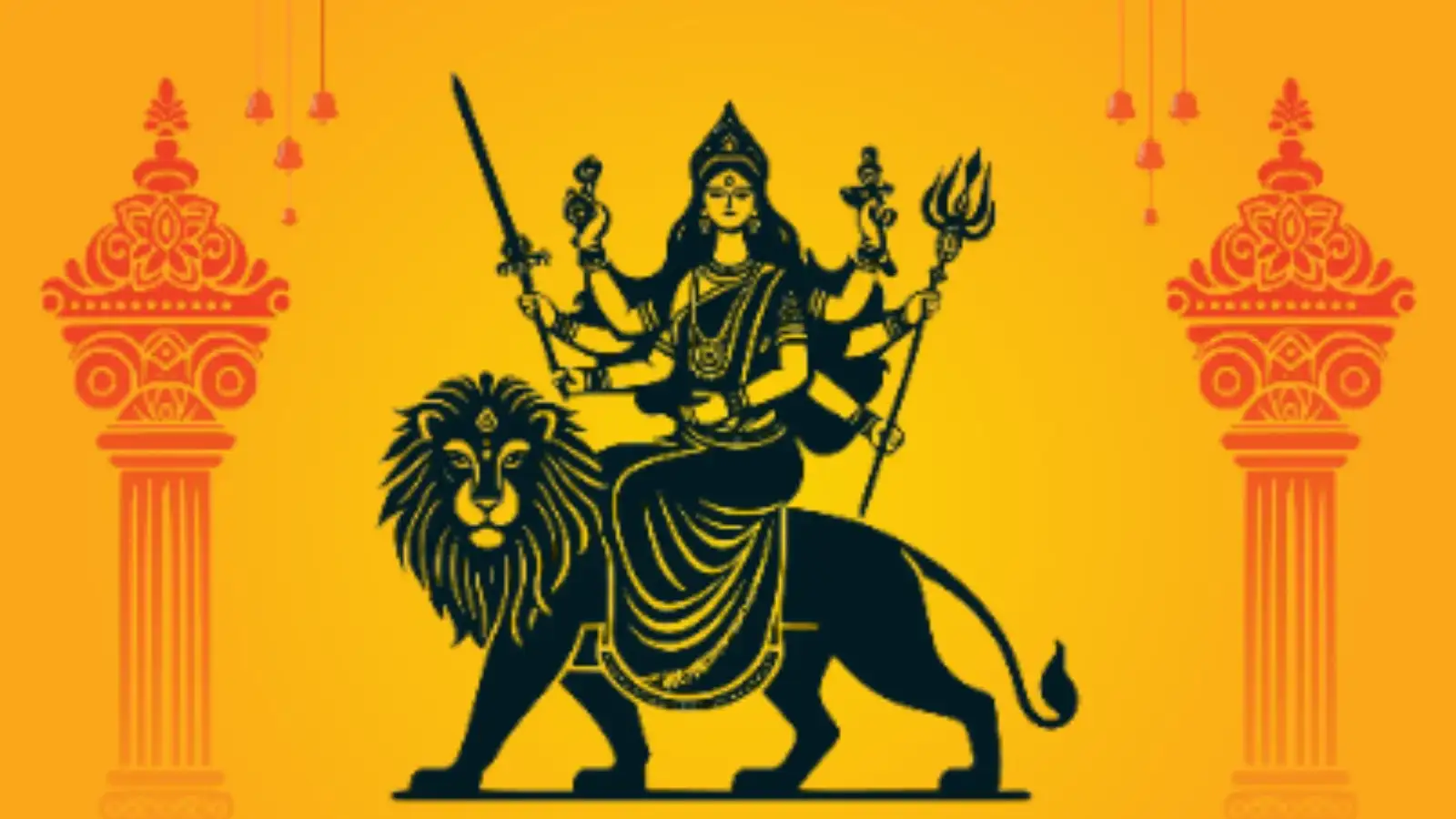
When Chaitra Navratri 2026 Begins
Chaitra Navratri begins on Chaitra Shukla Pratipada, the first day of the Hindu lunar month of Chaitra. In 2026, the festival will start on Thursday, 19 March and continue for nine days. During this period, devotees offer prayers to the nine forms of Goddess Durga and seek her blessings for peace, prosperity and protection.
Fasting on the First Day and Ashtami
Not everyone is able to observe the fast for all nine days. In such cases, devotees choose to fast on the first day of Navratri and on Durga Ashtami, which is considered highly auspicious. This practice is often referred to as observing the beginning and concluding fasts of Navratri.
Even though the fasting period is shorter, devotees are expected to follow certain spiritual disciplines throughout the festival.
How to Take the Navratri Fast Vow
On the first day of Chaitra Navratri, devotees should wake up early, take a bath and wear clean clothes before beginning the rituals. After preparing the place of worship, they should hold rice grains, red flowers and water in their hands and take a vow to observe the Navratri fast while praying to Goddess Durga.
This vow symbolises devotion and commitment to observing the fast on the first day and on Durga Ashtami.
Kalash Sthapana and Lighting the Sacred Lamp
After taking the vow and performing the initial prayers, devotees traditionally perform Kalash Sthapana, which involves placing a sacred pot at the place of worship.
An Akhand Jyoti, or an eternal lamp, is also lit for Goddess Durga. If maintaining a continuous flame is not possible, devotees can light a ghee lamp during their morning and evening prayers. The lamp represents divine energy and is considered an important part of Navratri worship.
Foods Allowed During the Fast
During the fasting period, devotees follow a simple satvik diet that avoids regular grains and focuses on light and pure foods. Common foods consumed during Navratri fasting include:
These foods are considered suitable for fasting and are widely used to prepare special Navratri meals.
Foods That Should Be Avoided
Certain foods are avoided during Navratri because they are considered tamasic in nature. Devotees observing the fast should refrain from consuming:
Avoiding these foods is believed to help maintain purity and discipline during the sacred period.
Important Spiritual Rules During Navratri
Apart from food restrictions, devotees are also expected to follow certain spiritual practices during Navratri. They are encouraged to maintain self-discipline, remain calm and keep their surroundings peaceful.
It is also considered important to maintain celibacy during the festival and avoid negative emotions such as anger, greed, jealousy and attachment. Focusing on devotion and positive thoughts helps strengthen the spiritual significance of the fast.
Special Worship on Pratipada and Durga Ashtami
Each day of Navratri is dedicated to a different form of Goddess Durga. On the first day, devotees worship Goddess Shailputri, the first form of the Goddess. Durga Ashtami, one of the most important days of the festival, is dedicated to Goddess Mahagauri, who symbolises purity and compassion.
On Ashtami, many devotees also perform Kanya Puja, where young girls are worshipped as manifestations of the divine feminine energy.
Importance of Navratri Havan
A sacred fire ritual, known as Navratri Havan, is commonly performed on Durga Ashtami. This ritual is believed to purify the home environment, remove negative energies and invite divine blessings.
Many families consider the havan an essential part of their Navratri celebrations and perform it with great devotion.
When to Conclude the Navratri Fast
The fast is generally concluded on Mahanavami, the ninth day of Navratri. However, customs may vary in different regions. In some places, devotees break their fast only after completing the Navratri havan and receiving prasad. In other regions, the fast may be concluded on Vijaya Dashami.
Following local or family traditions while ending the fast is considered the most appropriate practice.
Spiritual Benefits of Observing the Fast
Observing the Chaitra Navratri fast with devotion is believed to bring positivity and harmony into one’s life. It helps devotees strengthen their spiritual connection with Goddess Durga and seek her blessings for prosperity, happiness and protection. When the fast is observed with sincerity and discipline, it is believed to bring auspicious results and spiritual fulfilment.
When Chaitra Navratri 2026 Begins
Chaitra Navratri begins on Chaitra Shukla Pratipada, the first day of the Hindu lunar month of Chaitra. In 2026, the festival will start on Thursday, 19 March and continue for nine days. During this period, devotees offer prayers to the nine forms of Goddess Durga and seek her blessings for peace, prosperity and protection.
Fasting on the First Day and Ashtami
Not everyone is able to observe the fast for all nine days. In such cases, devotees choose to fast on the first day of Navratri and on Durga Ashtami, which is considered highly auspicious. This practice is often referred to as observing the beginning and concluding fasts of Navratri.
Even though the fasting period is shorter, devotees are expected to follow certain spiritual disciplines throughout the festival.
How to Take the Navratri Fast Vow
On the first day of Chaitra Navratri, devotees should wake up early, take a bath and wear clean clothes before beginning the rituals. After preparing the place of worship, they should hold rice grains, red flowers and water in their hands and take a vow to observe the Navratri fast while praying to Goddess Durga.
This vow symbolises devotion and commitment to observing the fast on the first day and on Durga Ashtami.
Kalash Sthapana and Lighting the Sacred Lamp
After taking the vow and performing the initial prayers, devotees traditionally perform Kalash Sthapana, which involves placing a sacred pot at the place of worship.
An Akhand Jyoti, or an eternal lamp, is also lit for Goddess Durga. If maintaining a continuous flame is not possible, devotees can light a ghee lamp during their morning and evening prayers. The lamp represents divine energy and is considered an important part of Navratri worship.
Foods Allowed During the Fast
During the fasting period, devotees follow a simple satvik diet that avoids regular grains and focuses on light and pure foods. Common foods consumed during Navratri fasting include:
- Fruits and fresh juices
- Milk and dairy products
- Dry fruits and nuts
- Dishes made from buckwheat flour (kuttu)
- Water chestnut flour (singhara)
- Sago (sabudana)
- Rock salt (sendha namak)
These foods are considered suitable for fasting and are widely used to prepare special Navratri meals.
Foods That Should Be Avoided
Certain foods are avoided during Navratri because they are considered tamasic in nature. Devotees observing the fast should refrain from consuming:
- Onion and garlic
- Meat and non-vegetarian food
- Alcohol
- Wheat, rice and lentils
Avoiding these foods is believed to help maintain purity and discipline during the sacred period.
Important Spiritual Rules During Navratri
Apart from food restrictions, devotees are also expected to follow certain spiritual practices during Navratri. They are encouraged to maintain self-discipline, remain calm and keep their surroundings peaceful.
It is also considered important to maintain celibacy during the festival and avoid negative emotions such as anger, greed, jealousy and attachment. Focusing on devotion and positive thoughts helps strengthen the spiritual significance of the fast.
Special Worship on Pratipada and Durga Ashtami
Each day of Navratri is dedicated to a different form of Goddess Durga. On the first day, devotees worship Goddess Shailputri, the first form of the Goddess. Durga Ashtami, one of the most important days of the festival, is dedicated to Goddess Mahagauri, who symbolises purity and compassion.
On Ashtami, many devotees also perform Kanya Puja, where young girls are worshipped as manifestations of the divine feminine energy.
Importance of Navratri Havan
A sacred fire ritual, known as Navratri Havan, is commonly performed on Durga Ashtami. This ritual is believed to purify the home environment, remove negative energies and invite divine blessings.
Many families consider the havan an essential part of their Navratri celebrations and perform it with great devotion.
When to Conclude the Navratri Fast
The fast is generally concluded on Mahanavami, the ninth day of Navratri. However, customs may vary in different regions. In some places, devotees break their fast only after completing the Navratri havan and receiving prasad. In other regions, the fast may be concluded on Vijaya Dashami.
Following local or family traditions while ending the fast is considered the most appropriate practice.
Spiritual Benefits of Observing the Fast
Observing the Chaitra Navratri fast with devotion is believed to bring positivity and harmony into one’s life. It helps devotees strengthen their spiritual connection with Goddess Durga and seek her blessings for prosperity, happiness and protection. When the fast is observed with sincerity and discipline, it is believed to bring auspicious results and spiritual fulfilment.






More from our partners


Loving Newspoint? Download the app now
