
Chaitra Navratri Diet Guide: What to Eat, What to Skip, and Why It Matters

The arrival of Chaitra marks a fresh spiritual beginning, bringing with it the Hindu New Year and the vibrant nine-day festival of Chaitra Navratri. This sacred period is devoted to Goddess Durga, where fasting, prayers, and mindful living take center stage.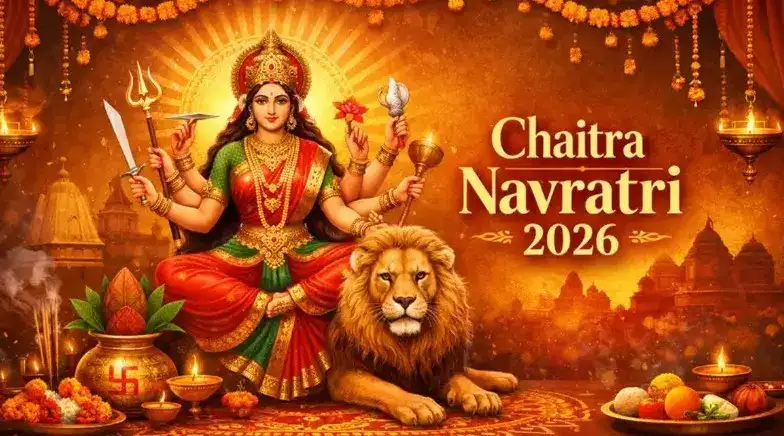
But Navratri fasting isn’t just about devotion, it’s also deeply connected to health and seasonal balance.
Why Diet Rules Matter During Chaitra
Chaitra falls at the cusp of winter and summer, when the body naturally craves lighter, cooling foods. Traditional fasting helps detoxify the system, improve digestion, and keep energy levels steady.
The focus is on sattvic foods, simple, clean, and nourishing, believed to calm the mind and enhance spiritual focus.
What You Can Eat During Navratri
Fasting meals are designed to be light yet energising. Common choices include:
Foods to Avoid During Fasting
Certain items are skipped to maintain purity and discipline:
Stay Hydrated, Stay Energised
Fluids play a key role during fasting. Popular choices include:
Health Benefits of Chaitra Fasting
Beyond spirituality, fasting offers several wellness perks. It gives the digestive system a break, supports metabolism, and helps the body adjust to seasonal changes. After a heavy winter diet, this shift to lighter foods can feel refreshing and revitalising.
Finding the Right Balance
While traditions guide the diet, it’s important to listen to your body. Balanced nutrition matters, especially for those with health conditions, consulting a doctor before strict fasting is always a wise choice.
With mindful eating and devotion, Chaitra Navratri becomes more than a ritual, it turns into a holistic reset for both body and mind.
But Navratri fasting isn’t just about devotion, it’s also deeply connected to health and seasonal balance.
Why Diet Rules Matter During Chaitra
Chaitra falls at the cusp of winter and summer, when the body naturally craves lighter, cooling foods. Traditional fasting helps detoxify the system, improve digestion, and keep energy levels steady.The focus is on sattvic foods, simple, clean, and nourishing, believed to calm the mind and enhance spiritual focus.
What You Can Eat During Navratri
Fasting meals are designed to be light yet energising. Common choices include: - Fresh fruits like bananas, apples, papayas, and pomegranates
- Dairy products such as milk, curd, paneer, and buttermilk
- Fasting flours like kuttu (buckwheat), singhara (water chestnut), and rajgira (amaranth)
- Sabudana (sago), often prepared as khichdi or vada
- Rock salt (sendha namak) instead of regular salt
- Nuts and seeds like almonds, peanuts, cashews, and makhana
Foods to Avoid During Fasting
Certain items are skipped to maintain purity and discipline: - Regular grains like wheat and rice
- Onion and garlic
- Processed and packaged foods
- Table salt
- Meat, eggs, and alcohol
Stay Hydrated, Stay Energised
Fluids play a key role during fasting. Popular choices include: - Lemon water with rock salt
- Coconut water
- Milk-based drinks
- Fresh fruit juices
Health Benefits of Chaitra Fasting
Beyond spirituality, fasting offers several wellness perks. It gives the digestive system a break, supports metabolism, and helps the body adjust to seasonal changes. After a heavy winter diet, this shift to lighter foods can feel refreshing and revitalising. Finding the Right Balance
While traditions guide the diet, it’s important to listen to your body. Balanced nutrition matters, especially for those with health conditions, consulting a doctor before strict fasting is always a wise choice.With mindful eating and devotion, Chaitra Navratri becomes more than a ritual, it turns into a holistic reset for both body and mind.
Next Story