
Monotheism in Islam vs Hindu Dharma: Understanding the Core Beliefs and Theological Differences

When we talk about world religions and their core beliefs, Islam and Hindu Dharma often stand out because of their distinct theological foundations. A comparison of monotheism in Islam and the diverse theological paths in Hindu Dharma offers a meaningful way to understand how different traditions approach the concept of God, spirituality, and human purpose.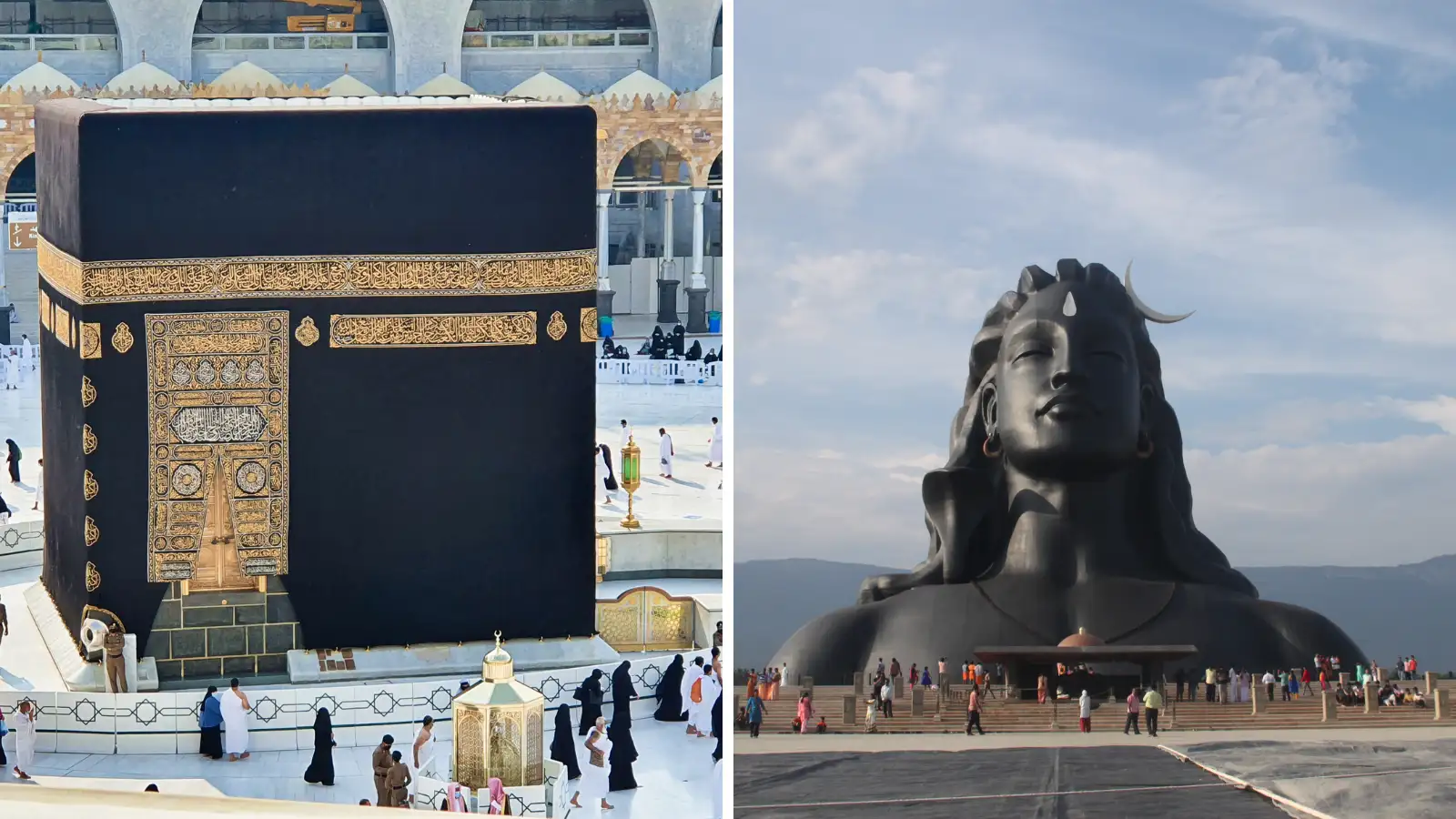
While Islam is firmly rooted in monotheism, Hindu Dharma presents a broad and layered spiritual framework that includes multiple philosophical interpretations. Understanding these differences helps readers appreciate both traditions in a thoughtful and informed way.
Monotheism in Islam: The Foundation of Tawhid
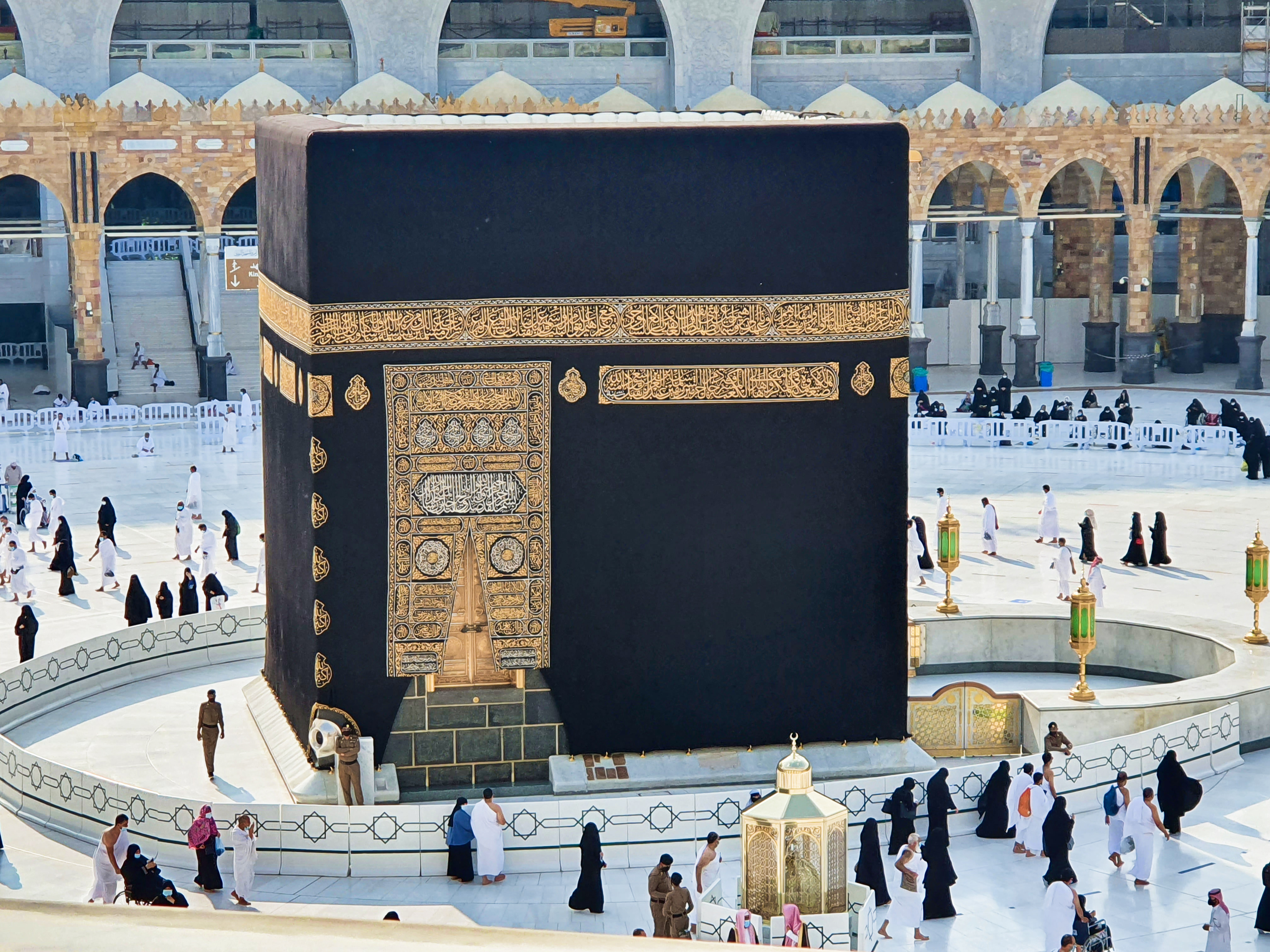
At the heart of Islam lies the principle of Tawhid, which refers to the absolute oneness of God. Islam teaches that there is only one God, known as Allah, who is unique, eternal, and incomparable. This belief in strict monotheism forms the central pillar of Islamic theology and shapes every aspect of a Muslim’s faith and practice.
In Islam, God has no partners, no offspring, and no equals. Worship is directed solely to Allah, and associating partners with Him is considered the gravest sin. The Quran consistently emphasizes that God is singular and beyond human likeness.
The concept of monotheism in Islam is not just a theological idea but a way of life. From daily prayers to moral conduct, everything revolves around submission to the will of one God. This unified understanding of divine authority gives Islam a clear and structured spiritual identity.
Hindu Dharma: A Spectrum of Theological Perspectives
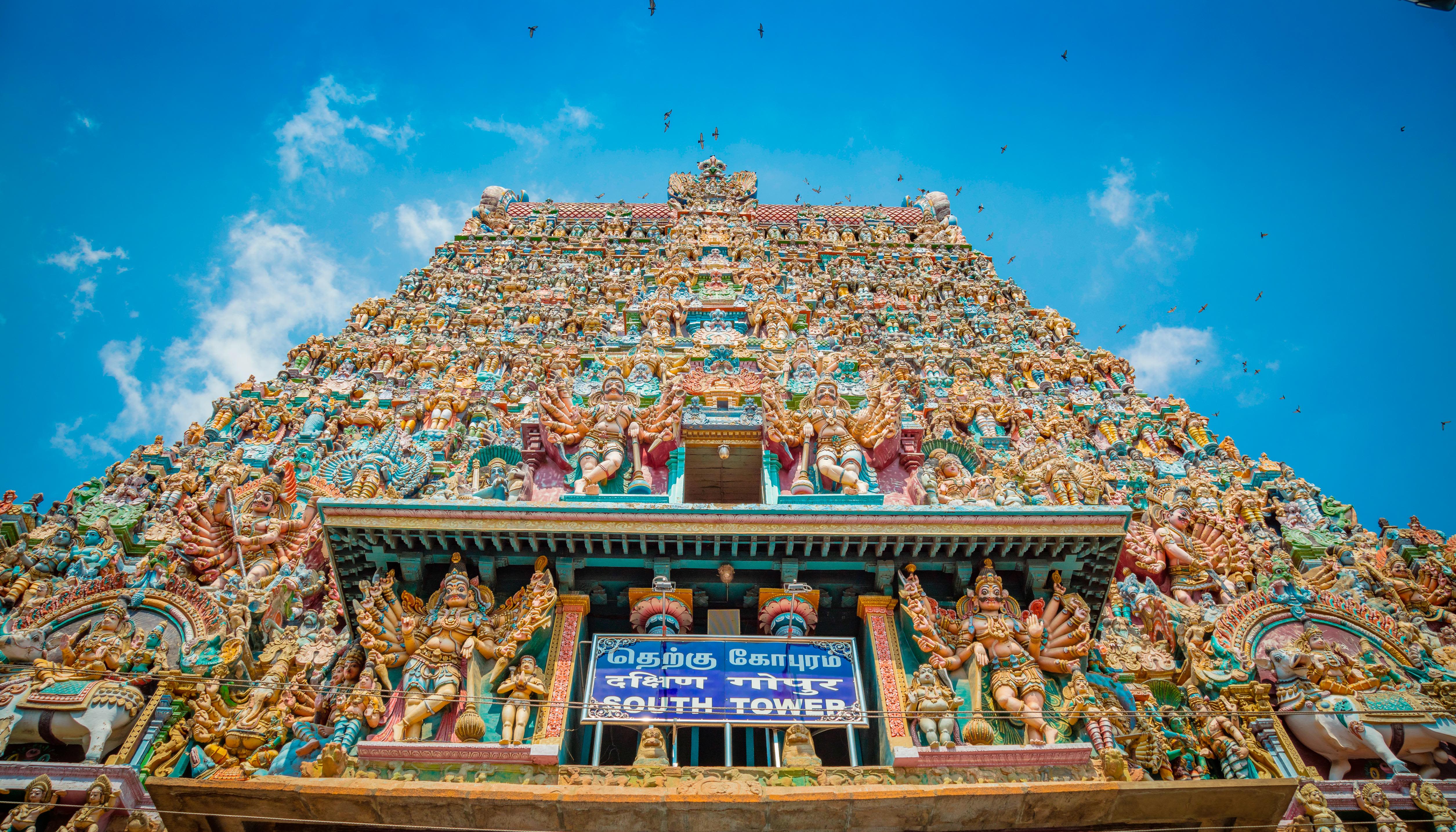
In contrast, Hindu Dharma offers a wide spectrum of theological perspectives. Rather than being centered on a single doctrinal statement about God, Hindu traditions encompass multiple philosophies and spiritual paths.
Hindu Dharma includes devotional worship of deities such as Vishnu, Shiva, and Durga, each representing different aspects of the divine. For many practitioners, these deities are expressions of one ultimate reality known as Brahman. This allows for both personal devotion and philosophical reflection within the same religious framework.

Some schools of Hindu thought are strongly monistic, teaching that all existence is ultimately one. Others are dualistic or even theistic in ways that resemble monotheistic traditions. This diversity is not seen as contradictory but as different paths toward spiritual realization.
Understanding God: Singular Authority vs Expansive Reality
The comparison between Islam and Hindu Dharma becomes especially clear when examining their views on God. Islam presents a clear and uncompromising vision of one supreme Creator who governs the universe with complete authority. There is no ambiguity about divine unity in Islamic theology.
Hindu Dharma, on the other hand, allows for multiple ways of understanding the divine. While some followers worship one chosen deity with deep devotion, others meditate on the abstract concept of Brahman, the ultimate and formless reality. This flexibility allows individuals to approach spirituality according to their temperament and philosophical inclination.
In essence, Islam emphasizes unity in belief and worship, while Hindu Dharma embraces unity through diversity.
Scripture and Spiritual Guidance
Islam is guided primarily by the Quran, which Muslims believe to be the final and unaltered revelation of God. The teachings of the Prophet Muhammad also serve as an essential source of guidance. Together, they provide a comprehensive framework for faith, law, and daily living.
Hindu Dharma draws from a vast body of scriptures, including the Vedas, Upanishads, Bhagavad Gita, and various Puranas. These texts present different philosophical viewpoints and spiritual instructions. Rather than enforcing a single doctrinal path, Hindu scriptures often encourage exploration and contemplation.
This difference reflects the broader contrast between Islamic monotheism and Hindu theological diversity. Islam maintains doctrinal consistency centered on one God and one revealed text, while Hindu Dharma accommodates multiple interpretations and spiritual approaches.
Paths to Spiritual Fulfillment
In Islam, spiritual fulfillment comes through submission to Allah, observance of religious duties, and adherence to moral principles. The Five Pillars of Islam serve as a structured guide to living a faithful life. The focus remains on obedience, devotion, and accountability before one God.
Hindu Dharma presents several spiritual paths, such as Bhakti Yoga, the path of devotion, Jnana Yoga, the path of knowledge, and Karma Yoga, the path of action. Each path provides a different way to connect with the divine or achieve liberation, known as moksha.
This variety highlights a key difference between Islam and Hindu Dharma. Islam centers spiritual life on unified belief and practice, while Hindu Dharma allows seekers to choose among multiple paths that suit their spiritual goals.
The comparison between monotheism in Islam and the diverse theological paths in Hindu Dharma reveals two distinct yet deeply meaningful approaches to faith. Islam stands firmly on the principle of Tawhid, emphasizing the absolute oneness of God and a structured framework of worship and law.
Hindu Dharma, by contrast, embraces a rich tapestry of beliefs and practices, allowing for devotion to many deities as well as philosophical reflection on ultimate reality.
Understanding these core beliefs helps foster respect and awareness in a world where religious diversity continues to shape cultures and societies. Both Islam and Hindu Dharma offer profound spiritual insights, each rooted in its own theological vision and historical development.
While Islam is firmly rooted in monotheism, Hindu Dharma presents a broad and layered spiritual framework that includes multiple philosophical interpretations. Understanding these differences helps readers appreciate both traditions in a thoughtful and informed way.
Monotheism in Islam: The Foundation of Tawhid
At the heart of Islam lies the principle of Tawhid, which refers to the absolute oneness of God. Islam teaches that there is only one God, known as Allah, who is unique, eternal, and incomparable. This belief in strict monotheism forms the central pillar of Islamic theology and shapes every aspect of a Muslim’s faith and practice.
In Islam, God has no partners, no offspring, and no equals. Worship is directed solely to Allah, and associating partners with Him is considered the gravest sin. The Quran consistently emphasizes that God is singular and beyond human likeness.
The concept of monotheism in Islam is not just a theological idea but a way of life. From daily prayers to moral conduct, everything revolves around submission to the will of one God. This unified understanding of divine authority gives Islam a clear and structured spiritual identity.
Hindu Dharma: A Spectrum of Theological Perspectives
In contrast, Hindu Dharma offers a wide spectrum of theological perspectives. Rather than being centered on a single doctrinal statement about God, Hindu traditions encompass multiple philosophies and spiritual paths.
Hindu Dharma includes devotional worship of deities such as Vishnu, Shiva, and Durga, each representing different aspects of the divine. For many practitioners, these deities are expressions of one ultimate reality known as Brahman. This allows for both personal devotion and philosophical reflection within the same religious framework.
Some schools of Hindu thought are strongly monistic, teaching that all existence is ultimately one. Others are dualistic or even theistic in ways that resemble monotheistic traditions. This diversity is not seen as contradictory but as different paths toward spiritual realization.
Understanding God: Singular Authority vs Expansive Reality
The comparison between Islam and Hindu Dharma becomes especially clear when examining their views on God. Islam presents a clear and uncompromising vision of one supreme Creator who governs the universe with complete authority. There is no ambiguity about divine unity in Islamic theology. Hindu Dharma, on the other hand, allows for multiple ways of understanding the divine. While some followers worship one chosen deity with deep devotion, others meditate on the abstract concept of Brahman, the ultimate and formless reality. This flexibility allows individuals to approach spirituality according to their temperament and philosophical inclination.
In essence, Islam emphasizes unity in belief and worship, while Hindu Dharma embraces unity through diversity.
Scripture and Spiritual Guidance
Islam is guided primarily by the Quran, which Muslims believe to be the final and unaltered revelation of God. The teachings of the Prophet Muhammad also serve as an essential source of guidance. Together, they provide a comprehensive framework for faith, law, and daily living. Hindu Dharma draws from a vast body of scriptures, including the Vedas, Upanishads, Bhagavad Gita, and various Puranas. These texts present different philosophical viewpoints and spiritual instructions. Rather than enforcing a single doctrinal path, Hindu scriptures often encourage exploration and contemplation.
This difference reflects the broader contrast between Islamic monotheism and Hindu theological diversity. Islam maintains doctrinal consistency centered on one God and one revealed text, while Hindu Dharma accommodates multiple interpretations and spiritual approaches.
Paths to Spiritual Fulfillment
In Islam, spiritual fulfillment comes through submission to Allah, observance of religious duties, and adherence to moral principles. The Five Pillars of Islam serve as a structured guide to living a faithful life. The focus remains on obedience, devotion, and accountability before one God. Hindu Dharma presents several spiritual paths, such as Bhakti Yoga, the path of devotion, Jnana Yoga, the path of knowledge, and Karma Yoga, the path of action. Each path provides a different way to connect with the divine or achieve liberation, known as moksha.
This variety highlights a key difference between Islam and Hindu Dharma. Islam centers spiritual life on unified belief and practice, while Hindu Dharma allows seekers to choose among multiple paths that suit their spiritual goals.
The comparison between monotheism in Islam and the diverse theological paths in Hindu Dharma reveals two distinct yet deeply meaningful approaches to faith. Islam stands firmly on the principle of Tawhid, emphasizing the absolute oneness of God and a structured framework of worship and law.
Hindu Dharma, by contrast, embraces a rich tapestry of beliefs and practices, allowing for devotion to many deities as well as philosophical reflection on ultimate reality.
Understanding these core beliefs helps foster respect and awareness in a world where religious diversity continues to shape cultures and societies. Both Islam and Hindu Dharma offer profound spiritual insights, each rooted in its own theological vision and historical development.
Next Story