
Holashtak 2026: When Does Holashtak Start in 2026? Dates, Rules and Auspicious Activities to Avoid

As Holashtak 2026 approaches, many devotees are keen to know when does Holashtak start in 2026 and which activities should be avoided during this spiritually significant yet inauspicious period. Holashtak marks the eight days preceding Holi and holds deep religious importance in Hindu tradition.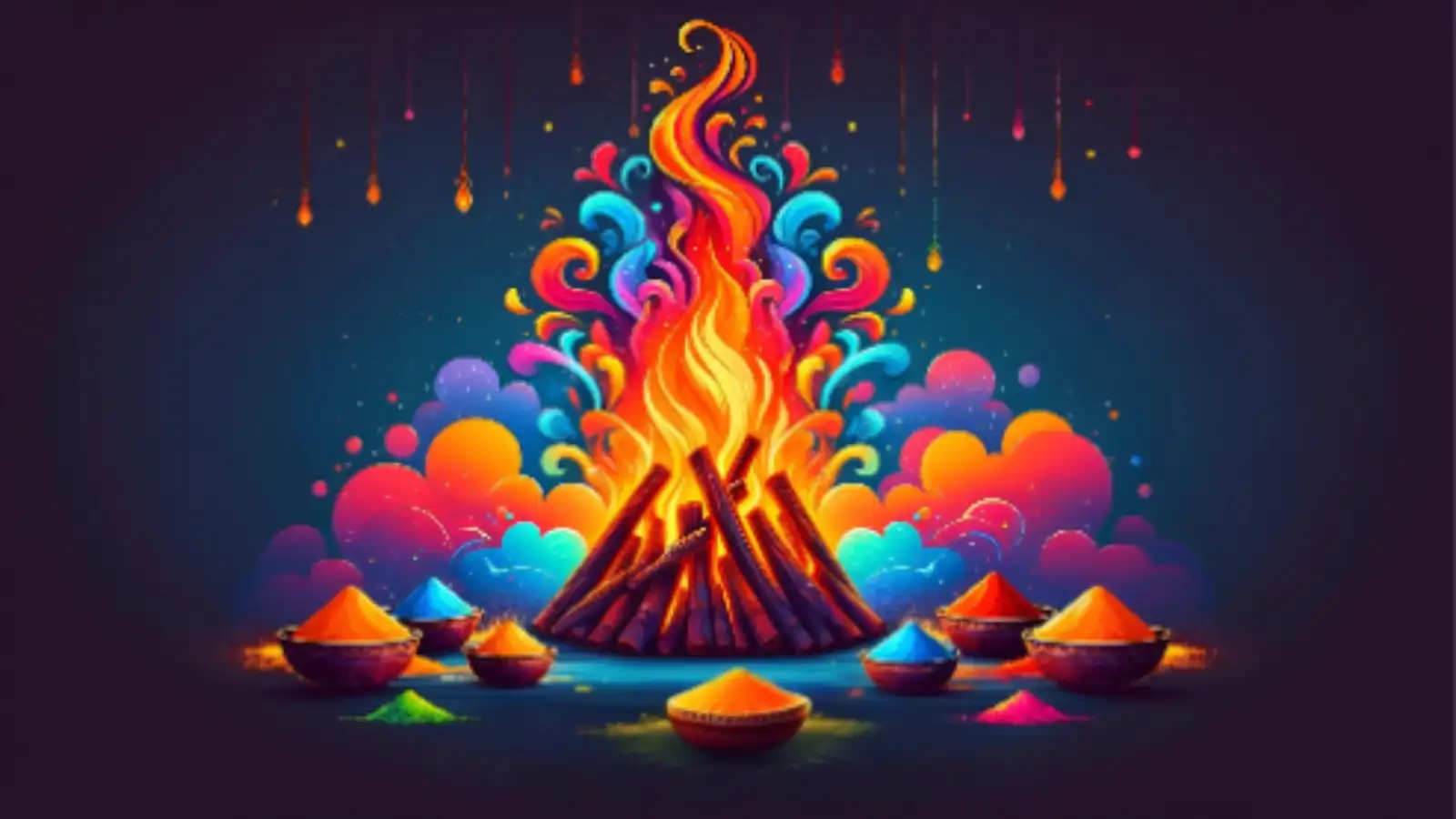
While these days are considered unfavourable for new beginnings, they are highly beneficial for prayer, devotion and charity. Here’s everything you need to know about Holashtak 2026, including dates, rituals and restrictions.
When Will Holashtak 2026 Begin and End?
In 2026, Holashtak will begin on 24 February 2026 and continue until 3 March 2026, the day of Holika Dahan. The following day, devotees across India will celebrate Holi, also known as Rangwali Holi. These eight days hold spiritual relevance and are observed with specific religious guidelines.
What is Holashtak? Understanding Its Significance
Holashtak refers to the eight-day period starting from the Ashtami (eighth day) of the Shukla Paksha in the month of Phalguna and ending on Holika Dahan.
According to religious beliefs:
Although Holashtak is seen as astrologically unfavourable, it is considered powerful for spiritual practices.
Why Is Holashtak Considered Inauspicious?
The belief behind Holashtak is rooted in the legendary tale of devotee Prahlad and the demon king Hiranyakashipu.
As per mythology:
This event symbolises the victory of devotion over evil and is commemorated through Holika Dahan. The eight days of suffering endured by Prahlad are believed to have given rise to Holashtak, a period considered sensitive and astrologically challenging.
Activities to Avoid During Holashtak 2026
During Holashtak, it is advised to postpone major life events and significant decisions. Here are the activities typically avoided:
Auspicious Ceremonies
Financial and Professional Decisions
Religious and Traditional Rituals
Families generally wait until after Holika Dahan to perform such ceremonies.
What Should You Do During Holashtak?
Despite being considered inauspicious for worldly activities, Holashtak is highly favourable for spiritual growth. Devotees are encouraged to:
Spiritual efforts made during these days are believed to bring immense merit and divine blessings.
Spiritual Message of Holashtak
Holashtak reminds devotees of unwavering faith and the triumph of righteousness. It encourages self-reflection, devotion and inner purification before the joyous celebrations of Holi begin.
While major auspicious events are postponed, the period offers a powerful opportunity to strengthen one’s spiritual foundation.
As Holashtak 2026 begins on 24 February, devotees can use these eight days for prayer, discipline and preparation for the vibrant festival of Holi that follows.
While these days are considered unfavourable for new beginnings, they are highly beneficial for prayer, devotion and charity. Here’s everything you need to know about Holashtak 2026, including dates, rituals and restrictions.
When Will Holashtak 2026 Begin and End?
In 2026, Holashtak will begin on 24 February 2026 and continue until 3 March 2026, the day of Holika Dahan. The following day, devotees across India will celebrate Holi, also known as Rangwali Holi. These eight days hold spiritual relevance and are observed with specific religious guidelines.
What is Holashtak? Understanding Its Significance
Holashtak refers to the eight-day period starting from the Ashtami (eighth day) of the Shukla Paksha in the month of Phalguna and ending on Holika Dahan.
According to religious beliefs:
- Planetary positions during these eight days are considered intense and unstable.
- Auspicious ceremonies are generally postponed.
- Devotees begin preparations for Holika Dahan, including collecting wood for the ceremonial bonfire.
Although Holashtak is seen as astrologically unfavourable, it is considered powerful for spiritual practices.
Why Is Holashtak Considered Inauspicious?
The belief behind Holashtak is rooted in the legendary tale of devotee Prahlad and the demon king Hiranyakashipu.
As per mythology:
- Prahlad was a devoted follower of Vishnu.
- His father, Hiranyakashipu, strongly opposed his devotion and allegedly subjected him to severe punishments over eight days.
- When Prahlad remained unharmed due to divine protection, Hiranyakashipu sought help from his sister Holika, who had a boon that protected her from fire.
- However, during the fire ritual, Holika was burned while Prahlad emerged safe by Lord Vishnu’s grace.
This event symbolises the victory of devotion over evil and is commemorated through Holika Dahan. The eight days of suffering endured by Prahlad are believed to have given rise to Holashtak, a period considered sensitive and astrologically challenging.
You may also like
- Rajasthan: CJI Surya Kant warns of global cybercrime threat
- Trump tariffs SC ruling: Judge refers to tariffs imposed on India for buying Russian oil in dissenting note
- Congress hails US apex court verdict against Trump's sweeping tariff strategy
- NASA eyes March 6 to send four astronauts to moon under Artemis 2 lunar launch
- "Five more of my father's murderers still free": Unnao rape case victim accuses Uttar Pradesh police of protecting accused
Activities to Avoid During Holashtak 2026
During Holashtak, it is advised to postpone major life events and significant decisions. Here are the activities typically avoided:
Auspicious Ceremonies
- Marriage and engagement ceremonies
- Roka ceremony
- Griha Pravesh (housewarming)
- Farewell rituals for daughter or daughter-in-law
Financial and Professional Decisions
- Starting a new business
- Making major investments
- Buying a new house or vehicle
- Joining a new job
Religious and Traditional Rituals
- Bhoomi Pujan
- Mundan (tonsure ceremony)
- Beginning long journeys
Families generally wait until after Holika Dahan to perform such ceremonies.
What Should You Do During Holashtak?
Despite being considered inauspicious for worldly activities, Holashtak is highly favourable for spiritual growth. Devotees are encouraged to:
- Chant mantras
- Perform meditation and penance
- Read religious scriptures
- Offer charity and donations
- Engage in devotional singing (bhajans)
Spiritual efforts made during these days are believed to bring immense merit and divine blessings.
Spiritual Message of Holashtak
Holashtak reminds devotees of unwavering faith and the triumph of righteousness. It encourages self-reflection, devotion and inner purification before the joyous celebrations of Holi begin.
While major auspicious events are postponed, the period offers a powerful opportunity to strengthen one’s spiritual foundation.
As Holashtak 2026 begins on 24 February, devotees can use these eight days for prayer, discipline and preparation for the vibrant festival of Holi that follows.






More from our partners


Loving Newspoint? Download the app now
